



NVIDIA Corporation (NVDA)















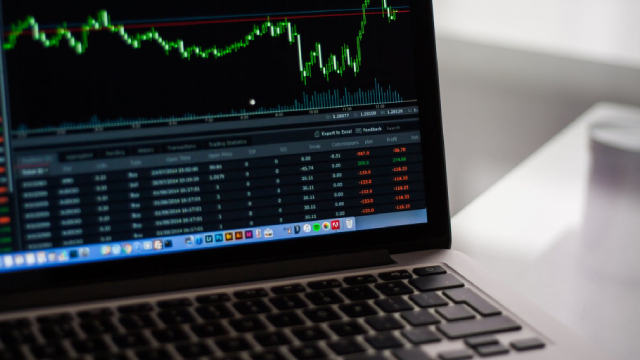
Applied Digital: Q4 2024 Earnings And Nvidia Investment
Applied Digital faces significant financial challenges, including negative gross margins, and substantial net losses, necessitating recent capital raises. Despite raising $210 million, including a $160 million private placement involving NVIDIA, concerns about true market demand for AI/HPC services persist. The NVIDIA deal raises questions about demand sustainability, as NVIDIA's vendor financing may indicate oversupply rather than genuine market need.
My Secret Weapon For Calling The Top In NVDA
While everyone else was cheering Nvidia's (NVDA) stock back to new heights this week, I called the top for the stock first thing Monday (August 26th) morning on Chuck Jaffe's MoneyLife show.

Nvidia's stock is flirting with its worst week in two years. What comes next?
One analyst sees “no reason to panic and dump semis,” but “no reason to rush to add on weakness either.”
Why Nvidia Stock Is Plummeting Again Today
Nvidia stock is falling after the release of August's jobs numbers from the U.S. Labor Department. The U.S. added 142,000 jobs last month, falling short of Wall Street's already softened target.
Nvidia: The Blackwell Delay And Its Consequences
Nvidia Corporation's Q3 guidance disappointed due to a delay in the Blackwell AI chip, caused by a mask issue affecting chip yield, not design flaws. Despite the delay, Nvidia's revenue growth remains strong, with a projected 79% y/y growth for Q3 and significant Blackwell revenue expected in Q4. Blackwell's advanced packaging technology is ambitious but proven, and the chip promises substantial AI performance improvements over competitors like AMD's MI300X.
Nvidia correction sparks questions over longer term AI growth
The sharp selloff of Nvidia (NASDAQ:NVDA, ETR:NVD) has raised questions about whether investors will take a more cautious approach to artificial intelligence (AI) following lofty expectations for the sector. Shares of Nvidia are down more than 12% this week as investors have recalibrated their expectations for the maker of chips for AI applications.
What to make of Nvidia's pullback
Also: A moment truth for Boeing, and what to do before the Federal Reserve cuts interest rates.

Nvidia CEO Jensen Huang Describes Why Businesses Cannot Afford Not to Buy Its Products
Nvidia CEO claims companies save tremendous money purchasing its products for internal workloads.
Nvidia Q2 Offers Several Clues To Sustainable Growth Ahead
Nvidia's Q2 2025 earnings beat estimates, but the stock dipped due to perceived slower growth; however, absolute revenue growth remains robust and impressive. AI is a generational opportunity, and Nvidia's dominance in data center GPUs positions it well for long-term growth despite increased competition. The shift to liquid cooling in data centers will drive further demand for Nvidia's Blackwell products, supporting sustained revenue growth.
Nvidia Stock Is Too Expensive, ‘Dean of Valuation' Says. Here's Where It Should Be Trading.
Aswath Damodaran, a professor of finance at the Stern School of Business at New York University, weighed in on the shares following its recent earnings report.

Nvidia CEO just dumped more millions of NVDA stock
Amid the lackluster performance of Nvidia (NASDAQ: NVDA) stock, Jensen Huang, the CEO of the artificial intelligence (AI) chipmaking titan, has continued to dump his company's shares in the amount that has, with his most recent sale, surpassed $633 million since June this year.
The Power Of Expectations: Nvidia's Earnings And The Market Reaction
At first sight, Nvidia's earning call contained exceptionally good news, with revenues and earnings coming in at stratospheric levels and above expectations, but the stock fell in the aftermath, down 8% in Thursday's trading. While corporate earnings reports are delivered once a quarter, the work of anticipating what you expect these reports to contain, especially in terms of earnings per share, starts almost immediately after the previous earnings report is delivered. The company's performance over the last three quarters, in particular, have created expectations that no company can meet.




