



NVIDIA Corporation (NVDA)















Nvidia Stock Isn't the Entire AI Sector
Qualcomm, Cisco Systems, Motorola Solutions and Oracle also look attractive if tech investors want to diversify in artificial intelligence beyond Nvidia, according to Neuberger Berman.
Nvidia Stock Dips Despite Q2 Earnings Beat — Is The AI Rally Fading?
NVIDIA Corp NVDA delivered another impressive performance with second-quarter earnings of 68 cents per share, beating expectations by 6.25%. Revenue came in at $30.04 billion, surpassing the $28.68 billion estimate by 4.73% and reflecting a jaw-dropping 122.40% increase from the same quarter last year.
Nvidia Stock: Near Term Growth Is Getting Priced In (Rating Downgrade)
As feared in my Q2 FY25 preview note, Nvidia Corporation failed to deliver a meaningful revenue guidance beat, which led to a 7% after-hours fall post yesterday's earnings release. In-line Q3 revenue guidance and in-line revenue results vs. the Wall Street whisper numbers indicate that Nvidia's high growth is being priced in, at least over the couple of quarters. A dip in the gross margins and a flattish outlook for the rest of FY25 puts a spanner in the works for my earlier margin expansion thesis.

Nvidia's Revenue Pattern Has Become Its Biggest Risk
Nvidia Corporation's revenue and guidance have consistently increased by $4 billion per quarter, beating estimates by $2 billion, creating predictability in its earnings reports. The stock's lack of surprise and high implied volatility levels have led to a decline in its trading price, despite strong financial performance. Short sale volume has been significant, with traders buying back positions, potentially supporting the stock price temporarily.
What Wall Street Thinks of Nvidia's Stock Now That Earnings Are In
Wall Street analysts are more bullish on Nvidia after its latest earnings than they were before them.
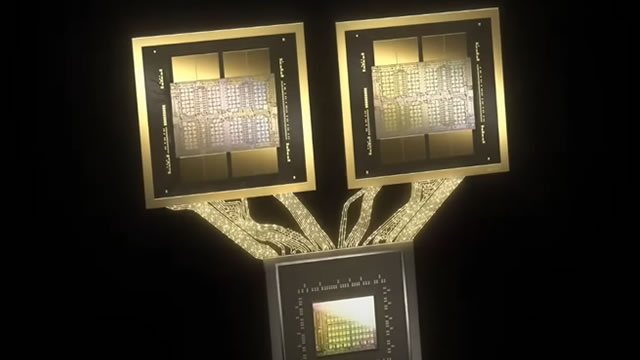
Buy the NVIDIA Dip with ETFs?
NVDA reports robust second-quarter fiscal 2025 results but fails to meet investors' lofty expectations. Investors should buy the dip with ETFs.
Nvidia Faces Growth Slowdown Despite Strong Q2 AI Demand
Nvidia's latest earnings report released Wednesday (Aug. 28) revealed a paradox: record-breaking revenue fueled by artificial intelligence chip demand, yet a deceleration in growth that left investors jittery. The company's performance, particularly in its data center segment, which includes AI-focused products, remained strong in the second quarter.
We Expect Nvidia To Fall Much Further
Nvidia Corporation's recent earnings report revealed a significant slowdown in revenue and gross margin growth, resulting in a 7% drop in stock price. The company's heavy reliance on data center revenue and concentrated customer base poses risks, especially if major clients reduce spending. Nvidia's future growth outlook is bleak, with declining revenue growth and increasing operating expenses, making it difficult to justify its current valuation.
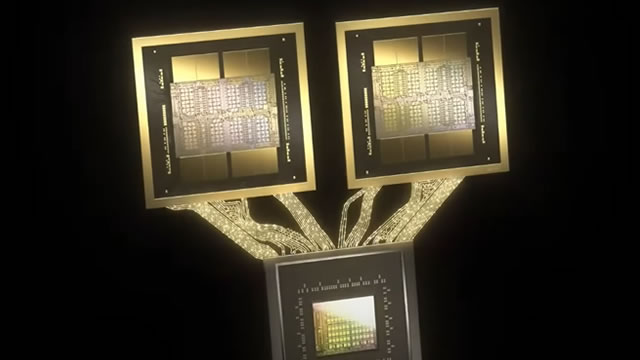
Nvidia Analysts Say Pullback Is Buying Opportunity: 'Pushing AI Envelope Too Significant To Slow Down'
Nvidia Corp. NVDA outperformed expectations, with impressive second-quarter earnings that beat forecasts.
Nvidia Did Not Just Pop The 'AI Bubble'
Nvidia Corporation's stock declined by 12% from its recent high, despite beating EPS and revenue estimates, raising questions about the AI bubble and future market trends. Nvidia's technical correction and rebound suggest a buy-in zone around $115-110, with potential for future growth driven by AI market dominance. Nvidia's solid earnings and guidance, including a $50B buyback, indicate strong future sales and profitability potential, despite market expectations for higher sales.
Nvidia's Q2 Earnings: A Repeat Of 2023's Explosive Growth Is Very Unlikely
While Nvidia Corporation Q2 earnings exceeded expectations, the forward outlook for sustained high valuations grows doubtful due to concerns over future growth compared with the recent past. Nvidia's dependence on a few major clients, doubts over cost benefits of AI spending and bans on China sales impact projections on sales volumes. Despite significant share buybacks being announced, the stock's high valuation and limited buyer-seller dynamics don't create a cause for increasing exposure.

Nvidia's Stock is Slipping. Wall Street Analysts Say Buy the Dip
Investors have found Nvidia's (NVDA) latest results to be underwhelming, Wall Street is calling on them to buy the dip.




