



NVIDIA Corporation (NVDA)















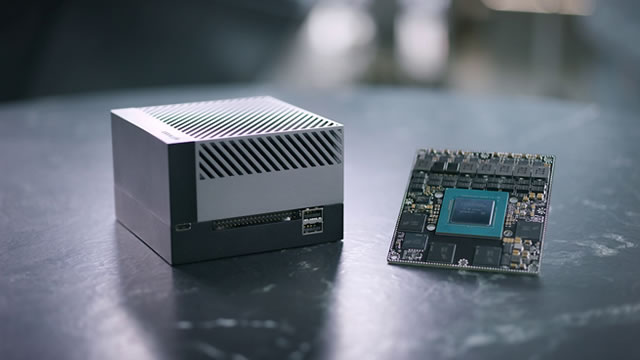
Why Smart Investors Should Consider Selling Nvidia Stock Now
As the poster child of the fourth industrial revolution and the artificial intelligence (AI) boom, Nvidia (NASDAQ: NVDA ) stock has certainly gained the most in terms of reputation visibility, and popularity for its products in the last two years. Much of this excitement was justified in the early days as the company had provided novel technologies for the processing of specific types of information via their proprietary graphics processing units.

The Best Strategy for Buying Nvidia Stock
Investors are understandably interested in the best strategy for accumulating shares of Nvidia stock.
Here's the massive Nvidia stock sell-off by CEO Jensen Huang in July alone
In recent months, insiders of semiconductor giant Nvidia (NASDAQ: NVDA) have been under scrutiny for sustained stock selling after months of significant gains.
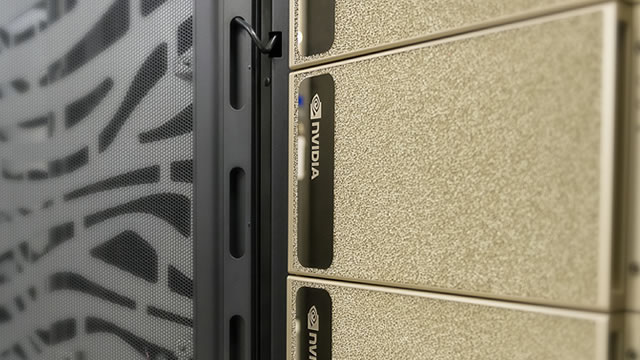
Is It Too Late to Buy Nvidia Stock?
Nvidia's stock rise has been tied to artificial intelligence. The company is producing record growth levels and margins.
Nvidia's Data Center "Real Estate" Is Under Pressure, and It's Only a Matter of Time Before Its Share Price Reflects It
By one estimate, the artificial intelligence (AI) revolution is projected to add $15.7 trillion to the global economy by the turn of the decade. Nvidia's AI graphics processing units (GPUs) have become a veritable monopoly in high-compute data centers.
1 Stock-Split AI Stock to Buy Before It Soars 260% to $10 Trillion, According to Certain Wall Street Analysts
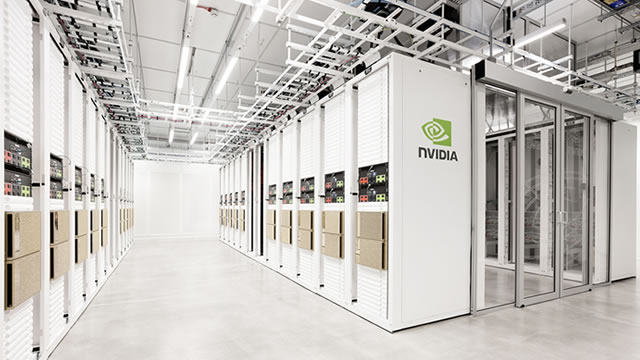
Nvidia is the market leader in data-center GPUs and AI processors, and its CUDA software affords the company a virtually unassailable competitive moat. Nvidia has historically launched new GPU architectures every two years, but the company will push its product roadmap to a one-year rhythm after 2024.
The Market Is Getting Ready To Puke
Nvidia Has Driven All The Gains Doug McIntyre and Lee Jackson discuss the recent 700-point jump in the Dow, the largest in a year, and debate whether this trend will continue or if the market is reaching unsustainable levels.
Raymond James Just Issued a Major Warning on Nvidia (NVDA) Stock
Nvidia (NASDAQ: NVDA ) remains one of the hottest stocks in the market. That said, as many investors are well aware, NVDA stock is about 20% below its recent all-time high.
1 Wall Street Analyst Thinks Nvidia Stock Is Going to $175. Is It a Buy?
Loop Capital recently raised its price target on Nvidia from $120 per share to $175 per share. The firm's lead analyst thinks that the market is significantly underestimating the AI leader's growth momentum.
3 Reasons Why Growth Investors Shouldn't Overlook Nvidia (NVDA)
Nvidia (NVDA) is well positioned to outperform the market, as it exhibits above-average growth in financials.
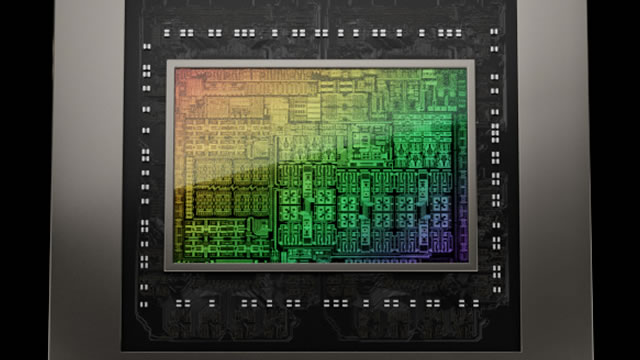
Nvidia Stock: I Bought The Dip, Here's Why You Should, Too
Nvidia Corporation investors have endured a recent bear market after its recent stock split in June. I explain why the welcomed pullback shouldn't be construed negatively. Nvidia's data center growth rates may slow down, but it's still expected to be highly remarkable.

Wall Street Analysts Look Bullish on Nvidia (NVDA): Should You Buy?
When deciding whether to buy, sell, or hold a stock, investors often rely on analyst recommendations. Media reports about rating changes by these brokerage-firm-employed (or sell-side) analysts often influence a stock's price, but are they really important?




