








Olin, Huntsman Merger of Equals Clears U.S. Antitrust Hurdle
Olin's proposed merger clears a key U.S. antitrust hurdle, with over $400M in expected synergies and a first-half 2027 closing target.

Here's Why You Should Retain Olin Stock in Your Portfolio
OLN's cost cuts and planned Huntsman merger could boost earnings, while weak demand, leverage and cash flow remain key headwinds.

OLN-HUN's All-Stock Merger of Equals Approved by Shareholders
Olin and Huntsman's shareholders overwhelmingly back their all-stock merger, advancing a $12.5 billion chemicals combination targeting more than $400 million in benefits.

Olin: One-Time Problems Are A Buying Opportunity
Olin remains a valuable opportunity despite operational setbacks, sector headwinds, and a 12% share price decline over the past year. OLN's Q2 was impacted by a $40M Freeport outage, weak demand, and working capital drag, but its epoxy and ammunition businesses showed resilience. The pending Huntsman merger, expected by mid-2027, should drive $250M in cost synergies and improve OLN's free cash flow and leverage profile.

OLN Q2 Earnings In Line, Revenues Beat on Epoxy, Winchester Gains
Olin's Q2 revenues beat estimates as Epoxy and Winchester gains offset Chlor Alkali weakness, while adjusted EBITDA rises 8.6%.

Olin Q2 Earnings Call Highlights
Olin NYSE: OLN said its second-quarter performance was shaped by supply-chain disruptions tied to the conflict involving Iran, improved epoxy pricing, a recovery in commercial ammunition demand and an unplanned outage at its Freeport, Texas, vinyl chloride monomer facility.

Olin (OLN) Q2 Earnings: Taking a Look at Key Metrics Versus Estimates
The headline numbers for Olin (OLN) give insight into how the company performed in the quarter ended June 2026, but it may be worthwhile to compare some of its key metrics to Wall Street estimates and the year-ago actuals.

Olin (OLN) Matches Q2 Earnings Estimates
Olin (OLN) came out with quarterly earnings of $0.07 per share, in line with the Zacks Consensus Estimate . This compares to earnings of $0.05 per share a year ago.

Olin (OLN) Reports Next Week: Wall Street Expects Earnings Growth
Olin (OLN) possesses the right combination of the two key ingredients for a likely earnings beat in its upcoming report. Get prepared with the key expectations.
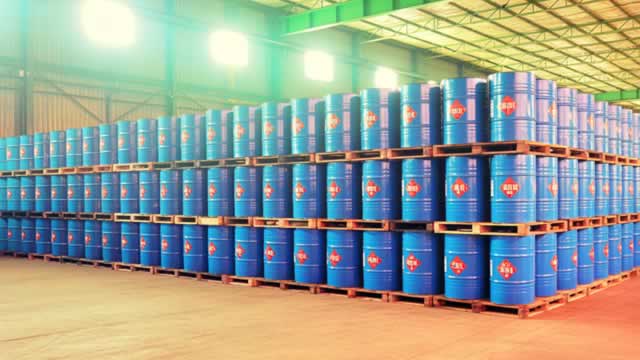
Olin and Huntsman to Merge, Create $12.5 Billion Chemicals Leader
OLN's all-stock merger of equals will create OlinHuntsman, aiming for more than $400 million in synergies and a $12.5 billion revenue base.

Olin, Huntsman to Combine in Stock Swap
Olin and Huntsman have agreed to combine in all-stock deal that creates a North American chemicals company that generated combined revenue of about $12.5 billion last year.

Olin Q1 Earnings Call Highlights
Olin NYSE: OLN executives said the company expects a sharp sequential improvement in second-quarter earnings as higher pricing, seasonal demand and cost reductions begin to flow through results following a challenging but improving first quarter.




