



Plains All American Pipeline, L.P. (PAA)
 NASDAQ (NGS) NASDAQ (NGS) Primary


Is Plains All American Pipeline (PAA) Stock Undervalued Right Now?
Here at Zacks, our focus is on the proven Zacks Rank system, which emphasizes earnings estimates and estimate revisions to find great stocks. Nevertheless, we are always paying attention to the latest value, growth, and momentum trends to underscore strong picks.

PAA Stock Trading Above 50 and 200-Day SMA: Should You Buy it Now?
PAA stock's rising earnings estimates, asset spread in Permian and other regions in the United States and bolt-on acquisitions will drive the stock from its current levels.
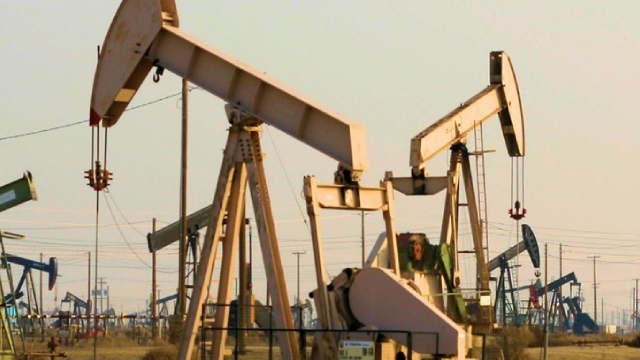
Despite Fast-paced Momentum, Plains All American (PAA) Is Still a Bargain Stock
Plains All American (PAA) made it through our 'Fast-Paced Momentum at a Bargain' screen and could be a great choice for investors looking for stocks that have gained strong momentum recently but are still trading at reasonable prices.

Plains All American (PAA) Q4 Earnings: Taking a Look at Key Metrics Versus Estimates
While the top- and bottom-line numbers for Plains All American (PAA) give a sense of how the business performed in the quarter ended December 2024, it could be worth looking at how some of its key metrics compare to Wall Street estimates and year-ago values.

Plains All American Pipeline, L.P. Common Units (PAA) Q4 2024 Earnings Call Transcript
Plains All American Pipeline, L.P. Common Units (NASDAQ:PAA ) Q4 2024 Results Conference Call February 7, 2025 10:00 AM ET Company Participants Blake Fernandez - Vice President, Investor Relations Willie Chiang - Chairman and Chief Executive Officer Al Swanson - Executive Vice President and Chief Financial Officer Jeremy Goebel - Executive Vice President and Chief Commercial Officer Chris Chandler - Executive Vice President and Chief Operating Officer Conference Call Participants Keith Stanley - Wolfe Research Manav Gupta - UBS Michael Blum - Wells Fargo Jeremy Tonet - JPMorgan Securities LLC Brandon Bingham - Scotiabank Spiro Dounis - Citi Sunil Sibal - Seaport Global Jean Ann Salisbury - Bank of America AJ O'Donnell - TPH Neal Dingmann - Truist Securities John Mackay - Goldman Sachs & Company Theresa Chen - Barclays Willie Chiang - closing remarks Operator Good day, and thank you for standing by.

Plains All American Q4 Earnings Miss Estimates, Sales Decline Y/Y
PAA's fourth-quarter 2024 earnings are lower than expectations, and revenues fall year over year.

Top Wall Street Forecasters Revamp Plains All American Pipeline Price Expectations Ahead Of Q4 Earnings
Plains All American Pipeline, L.P. PAA will release its fourth-quarter financial results, before the opening bell, on Friday, Feb. 7, 2025.

Is Plains All American Pipeline (PAA) a Great Value Stock Right Now?
Here at Zacks, our focus is on the proven Zacks Rank system, which emphasizes earnings estimates and estimate revisions to find great stocks. Nevertheless, we are always paying attention to the latest value, growth, and momentum trends to underscore strong picks.

Plains All American (PAA) Is Attractively Priced Despite Fast-paced Momentum
Plains All American (PAA) could be a great choice for investors looking to buy stocks that have gained strong momentum recently but are still trading at reasonable prices. It is one of the several stocks that made it through our 'Fast-Paced Momentum at a Bargain' screen.

Should Value Investors Buy Plains All American Pipeline (PAA) Stock?
Here at Zacks, our focus is on the proven Zacks Rank system, which emphasizes earnings estimates and estimate revisions to find great stocks. Nevertheless, we are always paying attention to the latest value, growth, and momentum trends to underscore strong picks.
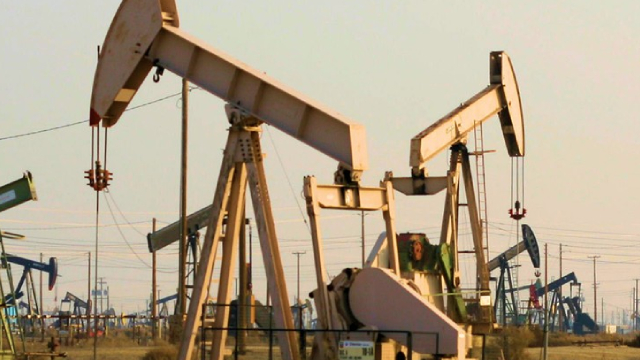
Plains All American Pipeline (PAA) Just Flashed Golden Cross Signal: Do You Buy?
After reaching an important support level, Plains All American Pipeline, L.P. (PAA) could be a good stock pick from a technical perspective.

Plains All American's Strong Permian Performance Reflects Strong Demand
Plains delivered a strong operational quarter, expecting to hit the top end of 2024 adjusted EBITDA guidance of $2.725 billion to $2.775 billion. Anticipating $1.45 billion in adjusted free cash flow for 2024, with $1.15 billion allocated to common and preferred distributions. Permian volume growth remains on track, with efficiencies offsetting lower horizontal rig counts, and the Fort Saskatchewan project is on schedule for 2025.




