



Procter & Gamble Co (PG)














Is It Worth Investing in P&G (PG) Based on Wall Street's Bullish Views?
Investors often turn to recommendations made by Wall Street analysts before making a Buy, Sell, or Hold decision about a stock. While media reports about rating changes by these brokerage-firm employed (or sell-side) analysts often affect a stock's price, do they really matter?
Procter & Gamble (PG) Falls More Steeply Than Broader Market: What Investors Need to Know
Procter & Gamble (PG) concluded the recent trading session at $153.99, signifying a -2.72% move from its prior day's close.
Procter & Gamble Company (The) (PG) Is a Trending Stock: Facts to Know Before Betting on It
P&G (PG) has been one of the stocks most watched by Zacks.com users lately. So, it is worth exploring what lies ahead for the stock.

Procter & Gamble (PG) Advances While Market Declines: Some Information for Investors
The latest trading day saw Procter & Gamble (PG) settling at $167.2, representing a +2.11% change from its previous close.
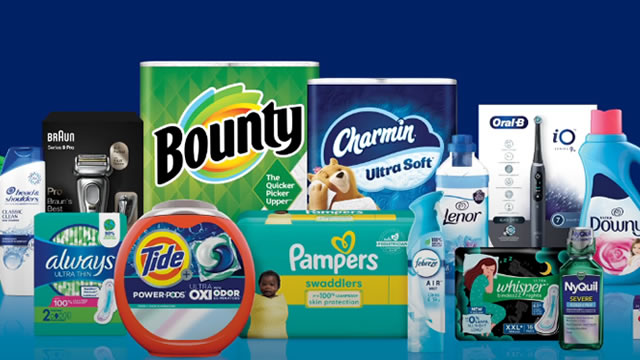
Is Portfolio Rationalization the Key to Procter & Gamble's Agility?
PG is streamlining its portfolio to boost agility, focus on high-growth segments and drive innovation across key markets.
The Ultimate Dividend Growth Stock to Buy With $1,000 Right Now
Procter & Gamble has a stable of strong brands. It's pushing innovation, which should keep its products competitive.

Can Digital Retail & E-Commerce Boost Procter & Gamble's Volume?
Can PG's push into digital retail and e-commerce reignite volume growth? Strong brands, data and AI may turn online discovery into incremental sales.
Investors Heavily Search Procter & Gamble Company (The) (PG): Here is What You Need to Know
P&G (PG) has been one of the stocks most watched by Zacks.com users lately. So, it is worth exploring what lies ahead for the stock.
Procter & Gamble Shares Jump 10% in a Month: Time to Buy or Wait?
PG delivers modest sales growth in Q2 but faces margin pressure, tariff headwinds and soft EPS outlook, as premium valuation tests upside potential.

P&G Rallies Under New CEO but Lags Rivals, Faces Tariff Challenges
Procter & Gamble (NYSE: PG) stock has climbed 11.65% year-to-date as of February 11, 2026, reaching $160 per share from a year-end close of $142.31.

Italy regulator probes Procter & Gamble over misleading ads for epilator
Italy's competition authority said on Thursday it had opened an investigation against U.S. consumer goods maker Procter & Gamble over allegedly misleading adverts for a body hair removal device.
Procter & Gamble: A Dividend King That's Fairly Valued Amid Macro And Industry Pressures
Procter & Gamble is rated Hold due to fair valuation, macro pressures, and a limited margin of safety at current levels. PG's FY26 guidance targets 0-4% organic sales growth, $16B free cash flow, and a combined dividend and buyback yield near 4%. Consumer trade-downs and retailer private labels threaten PG's market share, potentially reshaping industry dynamics long-term.




