



Procter & Gamble Co (PG)













Procter & Gamble becomes latest consumer giant to cut thousands from workforce
Procter & Gamble Co. will lay off thousands of workers, the parent company of such household brands as Pampers, Gillette, Crest and Tide said Thursday, becoming the latest consumer-goods giant to cut jobs.
Procter & Gamble to cut up to 7,000 office jobs amid 'fierce' competition
Procter & Gamble plans to cut up to 7,000 office jobs, or 15%, of its non-manufacturing workforce. The cuts will be implemented over the next two years, the company said in a presentation.
The Procter & Gamble Company (PG) Presents at dbAccess Global Consumer Conference Transcript
The Procter & Gamble Company (NYSE:PG ) dbAccess Global Consumer Conference Call Transcript June 5, 2025 2:30 AM ET Company Participants Andre Schulten - Chief Financial Officer Shailesh G. Jejurikar - Chief Operating Officer Conference Call Participants Stephen Robert R.

Procter & Gamble to Ax 7,000 Jobs. Why the Cuts Could Go Even Further.
The maker of Gillette razors outlines plans to cut about 15% of its current nonmanufacturing workforce over the next two years.

Procter & Gamble to cut 7,000 jobs over two years
Procter & Gamble said on Thursday it would cut 7,000 jobs, or about 15% of its non-manufacturing roles globally over the next two years as part of its non-core restructuring program.
Procter & Gamble to Cut 7,000 Jobs
The American consumer giant also said it would trim its portfolio of brands.

Procter & Gamble (PG) Stock Declines While Market Improves: Some Information for Investors
The latest trading day saw Procter & Gamble (PG) settling at $165.95, representing a -0.54% change from its previous close.
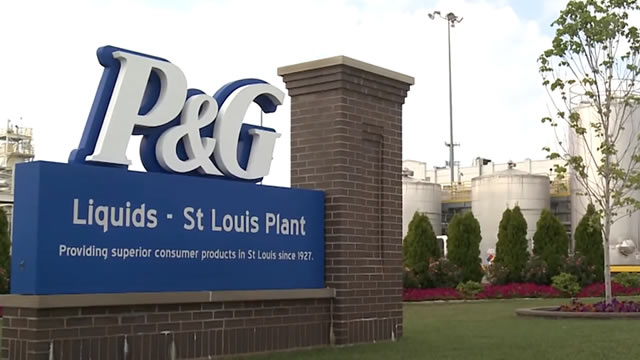
Procter & Gamble Company (The) (PG) is Attracting Investor Attention: Here is What You Should Know
Recently, Zacks.com users have been paying close attention to P&G (PG). This makes it worthwhile to examine what the stock has in store.
Procter & Gamble Stock Slips 5% in a Month: Buy the Dip or Stay Wary?
PG faces near-term headwinds related to the market issues in Greater China, geopolitical tensions and financial impacts of currency volatility.

Brokers Suggest Investing in P&G (PG): Read This Before Placing a Bet
When deciding whether to buy, sell, or hold a stock, investors often rely on analyst recommendations. Media reports about rating changes by these brokerage-firm-employed (or sell-side) analysts often influence a stock's price, but are they really important?
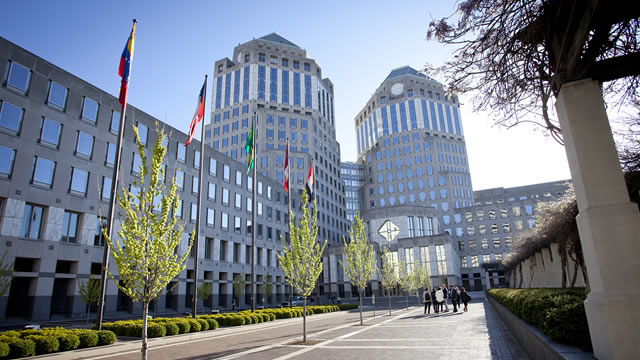
Investors Heavily Search Procter & Gamble Company (The) (PG): Here is What You Need to Know
P&G (PG) has received quite a bit of attention from Zacks.com users lately. Therefore, it is wise to be aware of the facts that can impact the stock's prospects.

Wall Street Bulls Look Optimistic About P&G (PG): Should You Buy?
Investors often turn to recommendations made by Wall Street analysts before making a Buy, Sell, or Hold decision about a stock. While media reports about rating changes by these brokerage-firm employed (or sell-side) analysts often affect a stock's price, do they really matter?




