



Procter & Gamble Co (PG)














Investors Heavily Search Procter & Gamble Company (The) (PG): Here is What You Need to Know
P&G (PG) has been one of the stocks most watched by Zacks.com users lately. So, it is worth exploring what lies ahead for the stock.

Procter & Gamble (PG) Stock Dips While Market Gains: Key Facts
Procter & Gamble (PG) concluded the recent trading session at $173.20, signifying a -0.2% move from its prior day's close.
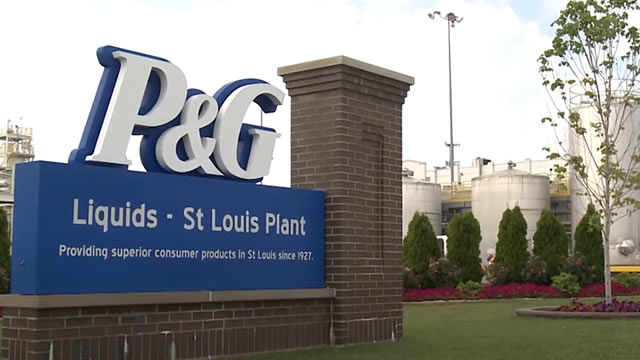
Procter & Gamble (PG) Stock Sinks As Market Gains: Here's Why
Procter & Gamble (PG) closed at $173.77 in the latest trading session, marking a -0.26% move from the prior day.

Here is What to Know Beyond Why Procter & Gamble Company (The) (PG) is a Trending Stock
Recently, Zacks.com users have been paying close attention to P&G (PG). This makes it worthwhile to examine what the stock has in store.
Procter & Gamble Stock Up 21% YTD: Should You Stay Invested or Exit?
PG's strong global presence and cost-saving strategies offer promise. However, challenges in key markets and ongoing geopolitical tensions pose risks.
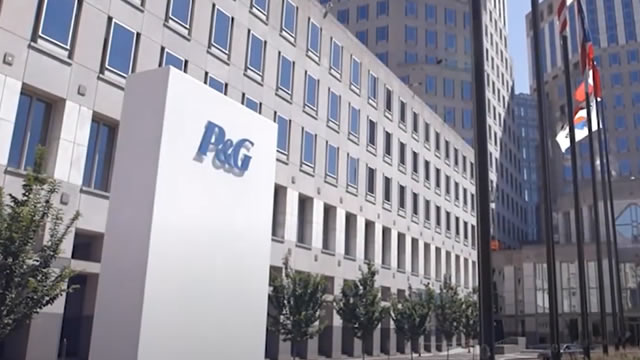
Procter & Gamble (PG) Surpasses Market Returns: Some Facts Worth Knowing
The latest trading day saw Procter & Gamble (PG) settling at $177.24, representing a +1.82% change from its previous close.

Earnings Growth & Price Strength Make Procter & Gamble (PG) a Stock to Watch
The Zacks Focus List offers investors a way to easily find top-rated stocks and build a winning investment portfolio. Here's why you should take advantage.
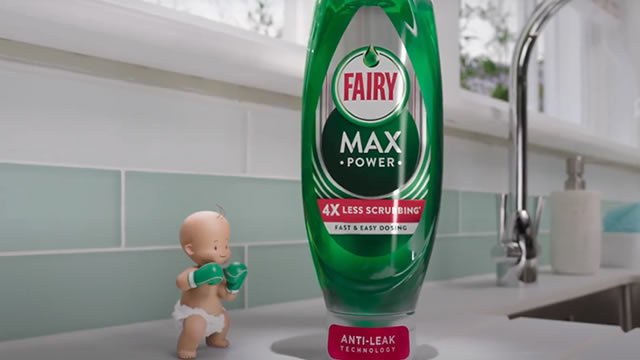
Is P&G (PG) a Buy as Wall Street Analysts Look Optimistic?
Investors often turn to recommendations made by Wall Street analysts before making a Buy, Sell, or Hold decision about a stock. While media reports about rating changes by these brokerage-firm employed (or sell-side) analysts often affect a stock's price, do they really matter?
Stock Of The Day: Two Indicators Suggest Procter And Gamble May Have Reversed
Trading models typically contain a set of parameters or conditions that must be met to give trade signals. Some human traders may only use one or two in their models while some quantitative ones may use hundreds.

Procter & Gamble (PG) Advances But Underperforms Market: Key Facts
Procter & Gamble (PG) reachead $176.06 at the closing of the latest trading day, reflecting a +0.27% change compared to its last close.
Is Trending Stock Procter & Gamble Company (The) (PG) a Buy Now?
Recently, Zacks.com users have been paying close attention to P&G (PG). This makes it worthwhile to examine what the stock has in store.
The Procter & Gamble Company (PG) Barclays 17th Annual Global Consumer Staples Conference (Transcript)
The Procter & Gamble Company (NYSE:PG ) Barclays 17th Annual Global Consumer Staples Conference Call September 5, 2024 8:15 AM ET Company Participants Andre Schulten - Chief Financial Officer John Chevalier - Head, Investor Relations Conference Call Participants Lauren Lieberman - Barclays Lauren Lieberman Okay. All right.




