



Invesco QQQ Trust, Series 1 (QQQ)








POWER INFLOW ALERT: QQQ GENERATES SIGNAL & SHARES RISE 1.27%
The Power Inflow Signal from TradePulse occurred at 10:36 am ET. and the stock hit its high at the Market Close.
Billionaire Ken Griffin Bought These 2 ETFs Hand Over Fist in Q2
Griffin increased Citadel's stake in one ETF by 56.7% in the quarter. He boosted his hedge fund's position in another ETF by nearly 7x.
Forget the S&P 500 -- Buy This Magnificent ETF Instead
This ETF will give investors access to the ongoing AI boom. In the past decade, this soaring ETF has more than quintupled investors' initial capital.

QQQ Vs. 'Us' After 4 Years: Passive Tech Vs. Active Dividend Investing
I look at how us active dividend investors have done against the mighty QQQ. Our portfolio strategy focuses on buying undervalued dividend stocks, selling overvalued positions, and maximizing dividend income. The Hybrid portfolio has a higher Sharpe ratio than QQQ and S&P 500, indicating better risk-adjusted returns and value added by active management.
QQQ: Tech Carnage Is A Gift
QQQ has suffered a hammering over the past four weeks as the market reversed its gains. It has finally plunged into a correction. The reallocation to small caps and value plays intensified the AI overhype fears, hurting QQQ's recent performance. The unwinding of the yen carry trade worsened the selloff in the Big Tech winners as traders fled for the hills.
The 3 Best ETFs to Buy in August 2024
The best ETFs to buy in today's market serve as a great tool to diversify investor's portfolios across several sectors. Exchange-traded funds (ETFs) include a basket of publicly listed companies and trade like regular stocks on the market.
Rate Cuts Could Provide Relief for These ETFs
Monday's market slump didn't turn out to be nearly as bad it looked as it would be early in the day. But that decline and a tepid rebound on Tuesday didn't dent calls for the Federal Reserve to implement rate cuts at its September meeting.

QQQ: Days Of AI Hype Are Over As Focus Turns To Monetization (Rating Upgrade)
Invesco QQQ Trust ETF experienced volatility with the sell-off in the Mag 7, trading around $445.42 at the time of writing. Investors are more likely to scrutinize returns from investments and question the financial viability of the spending frenzy on AI infrastructure building. Apple's AI features are expected to spur iPhone upgrades, while Nvidia's upcoming earnings report should provide an idea of how AI adoption is broadening beyond hyperscalers.

Trying Times for AI Stocks, But Spending Outlook Strong
Last Friday, the Nasdaq-100 Index closed 10.88% below its 52-week high, confirming the widely followed gauge is now in a correction. It might also be an opportunity.
Should You Buy the Dip in "Mag 7" and Big Tech ETFs?
On Jul 26, 2024, the big tech-heavy Nasdaq 100 ETF QQQ recorded a 1% gain after two days of bloodbath on an apparent “AI fatigue.” The tech slump that happened last week was triggered by Alphabet Inc.'s GOOGL earnings report, which highlighted increased capital expenses.
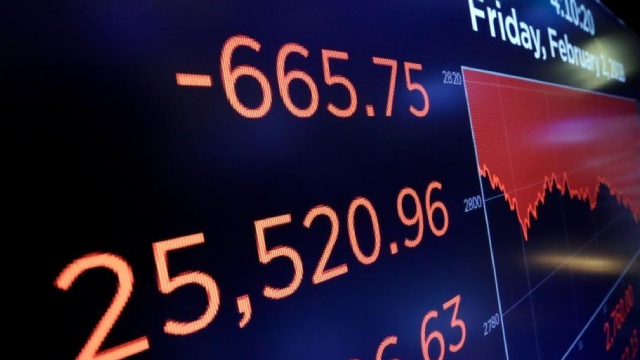
You Can Do Better Than the S&P 500. Buy This ETF Instead.
Investors who want low-cost exposure to tech-focused businesses should consider this ETF. A $10,000 investment in this ETF a decade ago would be worth over $54,000 today.

1 No-Brainer Growth ETF to Buy Right Now for Less Than $500
The Invesco QQQ gives investors diverse exposure to the leading technology companies. The fund's top holdings benefit from underlying growth trends in e-commerce, AI, cloud computing, and other areas.




