



Royal Caribbean Group (RCL)










Royal Caribbean Is Down Sharply From Its High. Deutsche Bank Says It's Time to Buy
Two Wall Street analysts just upgraded Royal Caribbean after a brutal selloff, but the bear case involves Caribbean crowding, a surprise resort acquisition, and oil prices that could invalidate the entire thesis.
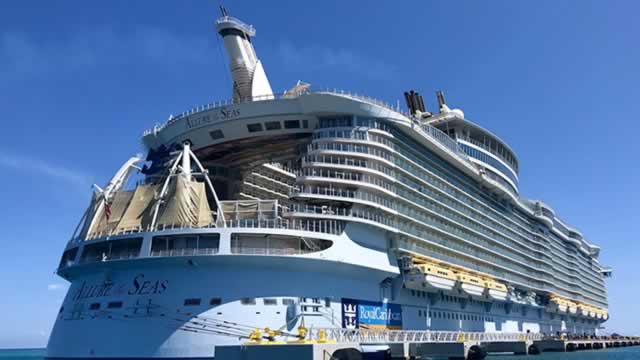
Royal Caribbean upgraded to Buy at Bank of America as selloff creates entry point
Royal Caribbean Cruises Ltd (NYSE:RCL) has gone on sale, according to Bank of America, which upgraded the stock to Buy from Neutral after a 26% share decline. The pullback has left the shares at a 2027 estimated EV/EBITDA multiple of under 10x, compared with a recent average of about 12x.

What's behind Royal Caribbean's ‘highly surprising' push into Sandals vacation resorts
Royal Caribbean plans to take a 50% stake in Sandals, a move that gives the cruise line access to wealthier customers.
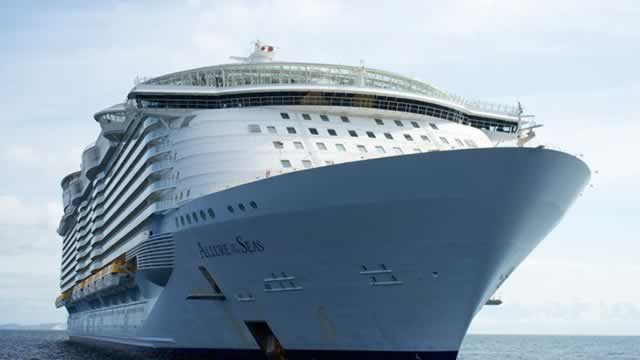
Royal Caribbean charts new course with Sandals partnership
Royal Caribbean Cruises Ltd (NYSE:RCL) has agreed to acquire a 50% stake in Sandals and Beaches Resorts for approximately $3 billion, expanding the cruise operator into the all-inclusive resort market. The partnership will combine Sandals and Beaches Resorts' all-inclusive resort expertise with Royal Caribbean Group's vacation platform, including its cruise brands and private destinations.

Royal Caribbean Group Falls 5% on $3B Sandals Resorts Stake; Carnival and Norwegian Slide 3%
Royal Caribbean Group (NYSE:RCL | RCL Price Prediction) shares are sliding in Wednesday morning trading after the cruise operator confirmed overnight that it has signed an agreement to buy a stake in Sandals and Beaches Resorts.
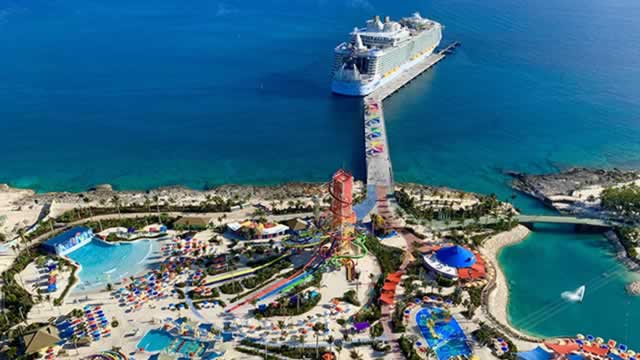
Royal Caribbean Is Buying Half of Sandals. ‘What the Heck Are They Thinking?
Royal Caribbean is buying a 50% stake in Sandals Resorts, with the deal expected to close early 2027.
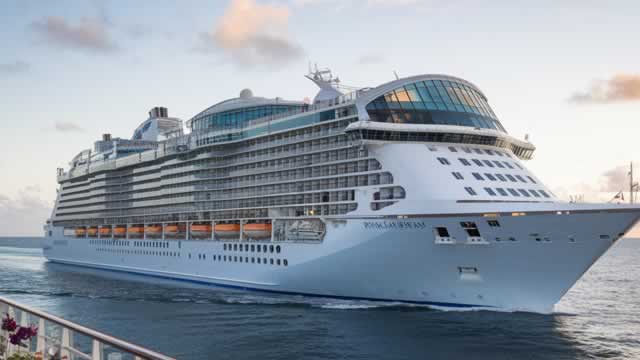
Oil's losing streak, Trump at the UN, Royal Caribbean's Sandals stake and more in Morning Squawk
Here are five key things investors need to know to start the trading day.
Investors Heavily Search Royal Caribbean Cruises Ltd. (RCL): Here is What You Need to Know
Zacks.com users have recently been watching Royal Caribbean (RCL) quite a bit. Thus, it is worth knowing the facts that could determine the stock's prospects.
Royal Caribbean (RCL) Dips More Than Broader Market: What You Should Know
Royal Caribbean (RCL) reached $248.77 at the closing of the latest trading day, reflecting a -2.57% change compared to its last close.

Here's Why Royal Caribbean (RCL) is a Strong Value Stock
The Zacks Style Scores offers investors a way to easily find top-rated stocks based on their investing style. Here's why you should take advantage.

Is Royal Caribbean (RCL) a Buy as Wall Street Analysts Look Optimistic?
Investors often turn to recommendations made by Wall Street analysts before making a Buy, Sell, or Hold decision about a stock. While media reports about rating changes by these brokerage-firm employed (or sell-side) analysts often affect a stock's price, do they really matter?

Royal Caribbean (RCL) Suffers a Larger Drop Than the General Market: Key Insights
In the latest trading session, Royal Caribbean (RCL) closed at $259.38, marking a -1.94% move from the previous day.




