









Here's What Key Metrics Tell Us About Transocean (RIG) Q2 Earnings
Although the revenue and EPS for Transocean (RIG) give a sense of how its business performed in the quarter ended June 2025, it might be worth considering how some key metrics compare with Wall Street estimates and the year-ago numbers.

Transocean (RIG) Reports Break-Even Earnings for Q2
Transocean (RIG) reported break-even quarterly earnings per share versus the Zacks Consensus Estimate of a loss of $0.01. This compares to a loss of $0.15 per share a year ago.

Transocean to Report Q2 Earnings: What's in the Offing for the Stock?
RIG's revenues are expected to have increased from the year-ago level. Its costs and expenses are likely to have increased during the second quarter.

Transocean Boosts Backlog Growth With New Contracts and Extensions
RIG adds $199 million to the second-quarter backlog with new contracts and extensions, lifting its total to $7.2 billion amid strong offshore demand.
Transocean: An Underappreciated Offshore Leader
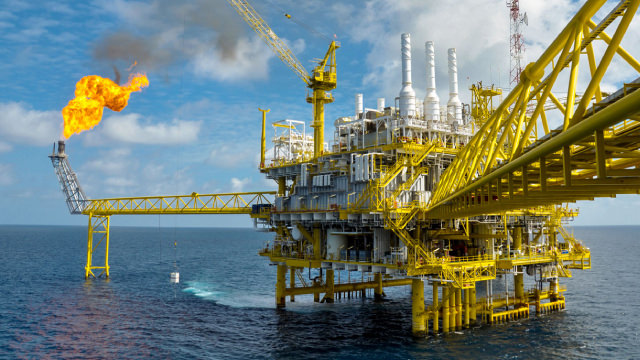
Transocean is trading near 52-week lows, despite improving financials and a stable backlog, making it undervalued versus peers. The stock's weakness is tied to low oil prices, slow backlog growth, and market skepticism, but offshore rig supply remains tight and day rates are rising. If oil prices recover and Fed policy eases, Transocean's utilization and margins could surge, potentially driving the stock to $10–$25.

Transocean to Drill New Wildcat Well for Equinor in the Norwegian Sea
RIG secures a new wildcat well drilling job in the Norwegian Sea for Equinor that is set to start in July 2025.

Here's Why Hold Strategy Is Apt for Transocean Stock Now
RIG boasts strong backlog, cost savings and global contracts, but faces net losses, high debt, idle rigs and pricing pressure in a volatile market.

Transocean Strengthens Backlog With Equinor's Contract Extension
RIG secures $100M backlog boost as EQNR extends Transocean Spitsbergen rig deal into 2026.

Why Is Transocean (RIG) Up 18.6% Since Last Earnings Report?
Transocean (RIG) reported earnings 30 days ago. What's next for the stock?
Transocean's Deepwater Invictus Begins Offshore Drilling for BP
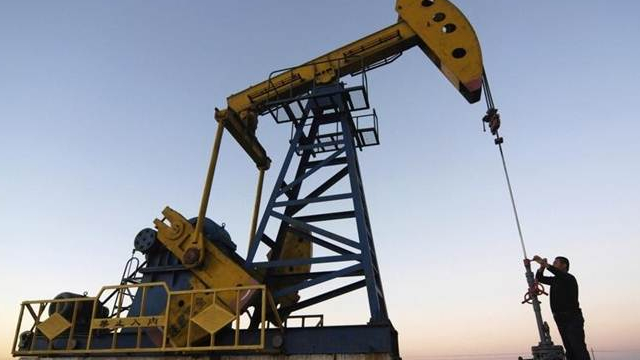
RIG's ultra-deepwater rig begins drilling for BP in the Gulf of America under a 3-year contract worth over $500 million.

BP Buyout Buzz Puts Spotlight on Transocean's Comeback Potential
There are some uncommon ways to time the financial markets. Still, when these signs show up, investors can gain an unfair advantage over most other participants if they know what to look for and how to read them.

Transocean Stock Is Dirt-Cheap Thanks To Trump's Tariffs
Transocean's stock is undervalued due to geopolitical factors and oil price corrections, despite positive financial trends and a leading industry position. Recent fleet status reports show a stable backlog and sound contract dayrates, indicating resilience in the deepwater sector despite economic uncertainties. The company's Q1 2025 earnings were in line with expectations, with a slight decrease in EBITDA and sales, but a notable reduction in long-term liabilities.




