



Rio Tinto Plc Sponsored ADR (RIO)





RIO Selected as Preferred Partner by ENAMI for Chilean Lithium Project
Rio Tinto is the preferred partner of ENAMI for Chile's Altoandinos lithium project, strengthening its global lithium portfolio amid long-term demand growth.
Rio Tinto CEO succession underscores undervaluation and puts focus on value unlock strategy
Jakob Stausholm will step down as Rio Tinto Ltd (LSE:RIO, ASX:RIO, OTC:RTNTF) chief executive at the end of 2025, a move that JPMorgan believes strengthens the case for unlocking value in the miner's global portfolio and dual-listed structure. The bank reiterated its 'overweight' rating on the stock and sees up to 30% upside, underpinned by a £59.20 base case valuation.
Valuing Rio Tinto Stock In 2025
Rio Tinto (NYSE: RIO) has made important strategic decisions aimed at diversifying into critical minerals necessary for the energy transition, including lithium and bauxite. Rio Tinto operates as a vertically integrated mining company—managing the entire value chain from exploration and extraction to processing and export.
Wall Street Bulls Look Optimistic About Rio Tinto (RIO): Should You Buy?
Investors often turn to recommendations made by Wall Street analysts before making a Buy, Sell, or Hold decision about a stock. While media reports about rating changes by these brokerage-firm employed (or sell-side) analysts often affect a stock's price, do they really matter?

Rio Tinto CEO to Step Down Later This Year
Rio Tinto (RIO) announced Thursday that CEO Jakob Stausholm would be stepping down later this year after leading the mining and minerals provider since January 2021.
Rio Tinto begins search for new CEO as Stausholm prepares to step down
Rio Tinto Ltd (LSE:RIO, ASX:RIO, OTC:RTNTF) said chief executive Jakob Stausholm would step down later this year once a successor is named, with a formal search for his replacement now underway. The announcement came unexpectedly, just five years into a tenure that typically lasts six.
Rio Tinto CEO Jakob Stausholm to Step Down
The world's second-biggest miner by market value said Thursday that Stausholm would continue to lead the company while the process to replace him continues.
Rio Tinto and Codelco join forces on major Chilean lithium project in US$900 million deal
Rio Tinto Ltd has struck a landmark deal with Chilean state miner Codelco to jointly develop a high-grade lithium project in the Salar de Maricunga, tapping further into the intensifying global race for critical minerals. Under binding agreements announced today, Rio will acquire a 49.99% stake in Salar de Maricunga SpA – the Codelco-owned entity holding licences and concessions in the lithium-rich salt flat – by funding up to US$900 million across project studies and development stages.
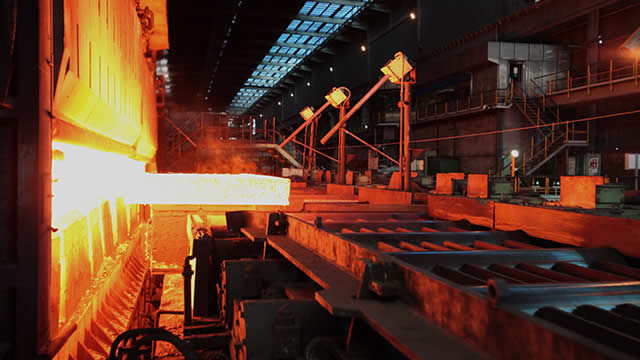
RIO to Invest $1.2B in Quebec Hydroelectric Power Plant Upgrade
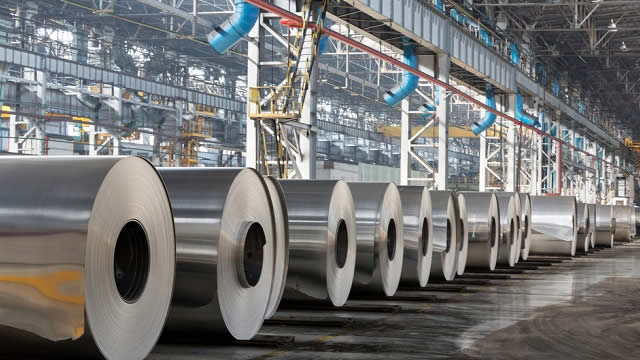
Rio Tinto earmarks $1.2 billion for the modernization of hydroelectric power plant in Quebec to secure the future of low-carbon aluminum production.
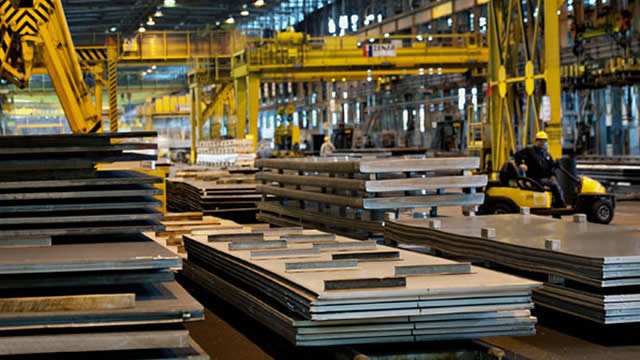
Rio Tinto's Hidden Catalysts For Long-Term Growth
Rio Tinto offers a compelling 7.2% dividend yield and a strong balance sheet, supporting its appeal to income-focused investors. Despite short-term headwinds in iron ore and Chinese demand, growth projects like Simandou, Resolution, and Arcadium Lithium drive future diversification. Valuation remains attractive with low P/E and EV/EBITDA multiples compared to peers, suggesting the market undervalues Rio's long-term potential.
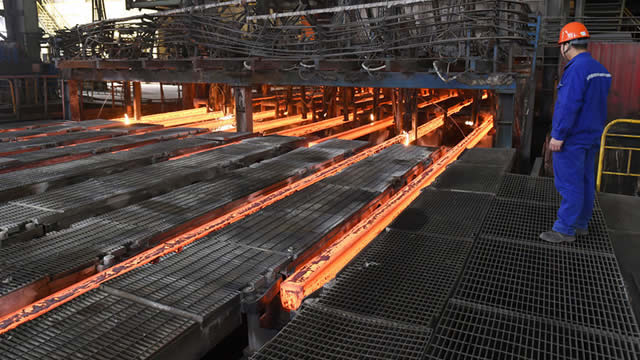
Rio Tinto Shareholders Reject Activist Bid for Review of London Listing
PERTH, Australia—Rio Tinto shareholders voted against an independent review of the miner's dual-listed structure, rejecting an activist investor's proposal aimed at getting the company to drop a decades-old primary London listing.
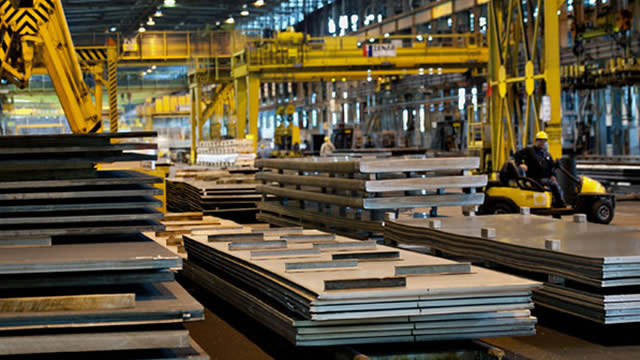
RIO's Q1 Iron Ore Production Declines 10% Y/Y Due to Bad Weather
Rio Tinto reports 70.7 Mt of iron ore shipments and production of 69.8 Mt in Q1. Both are lower y/y due to four cyclones.




