



Sprott Inc. (SII)






Gold gains ground as central banks retreat from dollar assets and inflation undermines bonds – Sprott's Zhu
Gold's ability to maintain its trading range and attract fresh ETF inflows despite soaring bond yields suggests its next move could be to the upside, while central banks' shift away from dollar assets continues to bolster the longer-term bullish outlook, according to Kenny Zhu, Director of Research and Investment Strategy at Sprott.
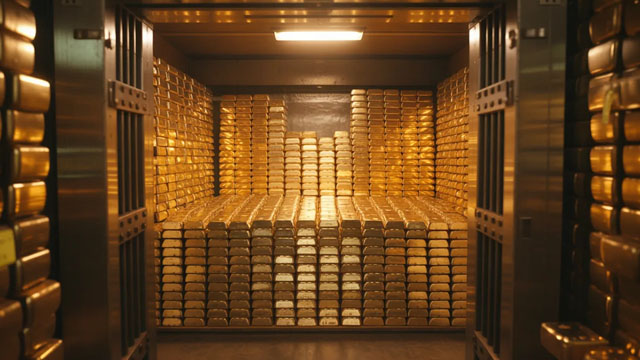
Gold is the 'North Star' in a world drowning in debt - Sprott's Ryan McIntyre
The gold market is starting the new trading week at a one-month low with prices dropping below $4,300 an ounce and the precious metal faces further downside risks as the Federal Reserve rate hike this week, but according to one fund manager, investors focused on the next 25-basis-point move are missing the much bigger picture.

Price correction ‘improved the long-term risk-reward profile' for both gold and silver – Sprott's Smirnova
Gold's months-long price decline was a not a trend reversal but only a correction, with rising debt, high deficits, central bank buying and geopolitical fragmentation reinforcing gold's strategic role, while silver's outlook remains compelling due to constrained supply and growing demand, according to Maria Smirnova, Managing Partner at Sprott Inc. and Senior Portfolio Manager and Chief Investment Officer at Sprott Asset Management.

Sprott Q2 Earnings Call Highlights
Sprott NYSE: SII reported second-quarter results marked by lower assets under management following a sharp pullback in precious-metals prices, while higher average assets over the past year supported growth in earnings and adjusted EBITDA.

Gold is oversold, the debasement trade is still on, and the pressure is building – Sprott's Paul Wong
Gold is massively oversold by every meaningful metric and is likely to set a cyclical bottom before September, while currency debasement is the fundamental driver that will push gold to its next all-time high, according to Paul Wong, managing partner and market strategist at Sprott Inc.In a recent interview, Wong told Kitco News that gold tends to find support when prices fall to 90% of the 200-day moving average – and we've well overshot that at this point – but there are other reasons to expect a rebound by late summer.

Sprott's Schoffstall on Rare Earth Portfolio Drivers & More
Those who have been keeping an eye on geopolitical developments likely know that rare earths are an increasingly valuable resource for both China and Western countries. After all, tensions continue to escalate on this front.

Gold is becoming the reserve asset of the new multipolar world – Sprott's Paul Wong
Gold's recent price decline reveals an important paradox: a stronger U.S. dollar can pressure gold prices in the short term while ultimately strengthening gold's long-term investment case, according to Paul Wong, managing partner and market strategist at Sprott Inc.

Power Metallic Mines closes C$28.2M private placement with Sprott lead order
Power Metallic Mines Inc (TSX-V:PNPN, FRA:IVV1, OTCQB:PNPNF) has closed a best-efforts private placement raising just over C$28.2 million, including a lead order from mining investor Eric Sprott. The Vancouver-based company sold 22,583,000 common shares at C$1.25 per share.

Fed trapped between inflation and debt crisis, and gold wins either way - Sprott's McIntyre
Despite gold's recent disappointing price action, the precious metal's long-term bull case has rarely looked stronger, as the Federal Reserve faces an increasingly impossible balancing act between inflation, economic growth, and rising sovereign debt risks, according to one fund manager.

Sprott Rare Earths Ex-China ETF: A Laser-Focused Pure Play On REEs
Addressing a critical geopolitical and national security need, the Sprott Rare Earths Ex-China ETF offers unique, pure-play exposure to rare earth companies outside China. REXC's top holdings include MP Materials, Lynas Rare Earths, and other industry players, each advancing integration across mining, separation, refining, and production. While sector risks include speculative entrants and challenging extraction environments, REXC's diversified portfolio targets companies with credible operational progress and government backing.

Why Central Banks Are Trading Dollars for Gold
In a Sprott Precious Metals report, Sprott Managing Partner and Market Strategist Paul Wong, noted gold reclaiming its status as the world's primary neutral reserve asset. When it comes to the global central banking system, gold reserves have overtaken U.S. dollar-denominated reserves.

ETF of the Week: The Sprott Rare Earths Ex-China ETF (REXC)
VettaFi's Head of Research Todd Rosenbluth discussed the Sprott Rare Earths Ex-China ETF (REXC) on this week's “ETF of the Week” podcast with Chuck Jaffe of “Money Life.” For more news, information, and strategy, visit VettaFi | ETF Trends.




