



T. Rowe Price QM U.S. Bond ETF (TAGG)
 ARCA ARCA Primary



Fed Rate Talk: Bond Moves After Jackson Hole
Last week ended with a major event, the Fed's annual Jackson Hole conference. The conference arrived amid a confluence of factors, from new Fed Chair Warsh's new approach to Fed signaling to the war in Iran and, most importantly, the specter of inflation.

How Active Bond ETFs Can Beat Second Half Stagflation
Media headlines have spent much of this year focused on the big news, from the Middle East conflict to AI risk to drama at the Fed. It can be easy, then, to miss a potentially more consequential story flying under the radar.
What Rising Structural Inflation Means for Your Bond Portfolio
An end to the U.S.-Israel-Iran conflict appears to finally be set. As the dust settles, however, investors now turn to an uncertain second half of 2026.

Scaling Alpha: Tim Coyne on T. Rowe Price's Expanding ETF Toolkit
T Rowe Price has long been viewed as a leading active manager known for its fundamental research. Six years ago they entered the ETF market and have continued to successfully grow their lineup.
10 T. Rowe Price ETFs Cross $1 Billion in AUM
In a notable milestone, T. Rowe Price now holds ten ETFs with $1 billion in AUM.
T. Rowe Price Crosses $25 Billion: A New Chapter for an Active Powerhouse
In my former life as a mutual fund analyst, T. Rowe Price was always a staple of my research.

As Fed Rates Decision Arrives, Don't Ignore Active Fixed Income
The Fed will announce yet another decision on rates this week, with markets largely expecting the central bank to stand pat. While the Fed could buck those expectations, rates will likely not shift more than 25 basis points (bps) if at all.

Active Bond ETFs Rising: This Fund up Quarter Billion YTD
Active ETFs are one of the most exciting investment areas in recent years, driving much of overall ETF product launches. Part of that growth owes to increased use and demand for active bond ETFs, bringing active management to fixed income.

2 T. Rowe Price ETFs Lead Early 2026 Results
Two T. Rowe Price ETFs have emerged as early leaders within the firm's exchange-traded product lineup, with one fund posting the strongest performance and another drawing the most investor money among the company's offerings, according to ETF Database. The T. Rowe Price Natural Resources ETF (TURF) has returned 16.

Behind Low-Cost Active Bond ETF TAGG's Big 2025 Flows
What lies in store for bond investors in 2026? To understand the future, it sometimes helps to look back at the big stories that led to the present.

T. Rowe's Active Approach to a Changing Rate Environment
Rates have already come down once this year, but with another Fed meeting on the horizon portending a further potential cut, investors may be looking at their options. That shifting rate environment presents opportunities for investors as well as some potential pitfalls.
Why Active Investing Can Get More Out of a Fed Rate Cut
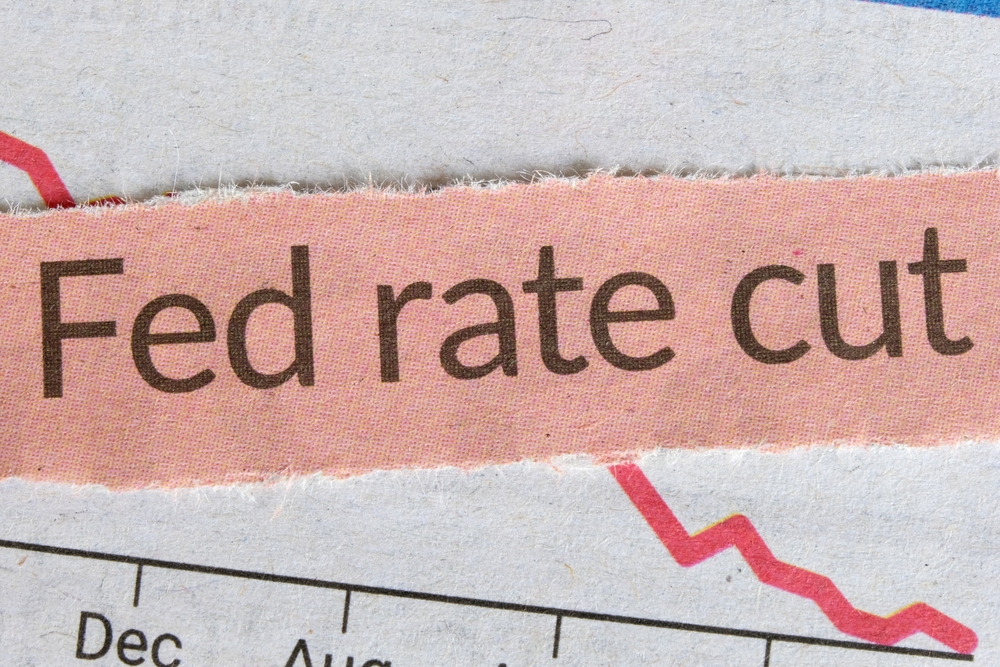
The Federal Reserve has cut interest rates once more, bringing the fed funds rate down by another 25 basis points. While markets may have already priced in the move, that Fed rate cut can still provide a boost to investors' portfolios and market outlooks.




