





Tesco Share Price: As High As It Gets For Now
Despite popping on the day of the release of its interim results, the Tesco share price (LON:TSCO) looks to have peaked. With the shares struggling to breach their 450p price ceiling, I reiterate my previous call that further upside for the stock is limited at this juncture.

Tesco (TSCDY) Upgraded to Strong Buy: Here's Why
Tesco (TSCDY) might move higher on growing optimism about its earnings prospects, which is reflected by its upgrade to a Zacks Rank #1 (Strong Buy).

New Strong Buy Stocks for Oct. 17: W, TSCDY, and More
W, TSCDY, MLKN, GO and ABBNY have been added to the Zacks Rank #1 (Strong Buy) List on October 17, 2025.

TSCDY or WMT: Which Is the Better Value Stock Right Now?
Investors with an interest in Retail - Supermarkets stocks have likely encountered both Tesco PLC (TSCDY) and Walmart (WMT). But which of these two companies is the best option for those looking for undervalued stocks?

Tesco PLC (TSCDY) Q2 2026 Earnings Call Transcript
Tesco PLC (OTCPK:TSCDY) Q2 2026 Earnings Call October 2, 2025 4:00 AM EDT Company Participants Ken Murphy - Group CEO & Executive Director Imran Nawaz - CFO & Director Conference Call Participants Frederick Wild - Jefferies LLC, Research Division Monique Pollard - Citigroup Inc., Research Division Clive Black - Shore Capital Group Ltd., Research Division Robert Joyce - BNP Paribas Exane, Research Division James Anstead - Barclays Bank PLC, Research Division Manjari Dhar - RBC Capital Markets, Research Division Sreedhar Mahamkali - UBS Investment Bank, Research Division Benjamin Yokyong-Zoega - Deutsche Bank AG, Research Division François Digard - Kepler Cheuvreux, Research Division Presentation Ken Murphy Group CEO & Executive Director Good morning, everyone, and welcome.
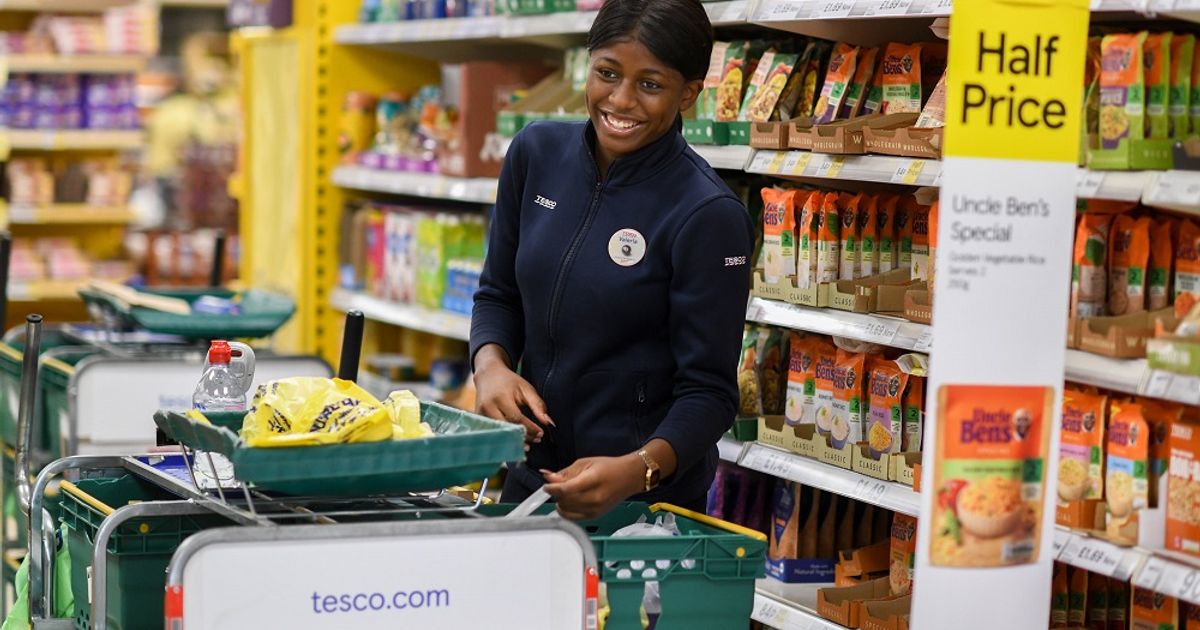
Tesco: A rundown of the results; steady if unspectacular
Tesco PLC (LSE:TSCO) has served up results that were solid rather than sparkling, but enough to keep the tills ringing for shareholders. The supermarket giant yesterday raised its full-year profit guidance after reporting a first-half operating profit 6% ahead of City forecasts.

Tesco 'caps remarkable period' with profit beat and upgrade, say analysts
Tesco PLC (LSE:TSCO) shares rose 4% to 446p to top the FTSE 100 on Thursday morning after it upgraded guidance and was boosted by news of a potential tax break in the upcoming Budget. The supermarket giant reported an operating profit of £1.67 billion, which came in ahead of the £1.59 billion expected, while adjusted earnings per share of 15.4 pence also exceeded forecasts of 14.4 pence.
Tesco ups profit guidance as pricing plans go better than expected
Tesco PLC (LSE:TSCO) raised its full-year profit forecast after reporting 5.1% sales growth and a fall in statutory profits for the first half of its financial year. The UK's largest grocer increased sales, excluding VAT and fuel, to £33.1 billion in the 26 weeks to 24 August 2025, compared to £31.5 billion a year ago.

Are You Looking for a Top Momentum Pick? Why Tesco PLC (TSCDY) is a Great Choice
Does Tesco PLC (TSCDY) have what it takes to be a top stock pick for momentum investors? Let's find out.
Tesco Share Price: Headed For Another Decade High?
The Tesco share price (LON:TSCO) has struck new decade highs on multiple occasions this year. With its interim results due tomorrow, here's what investors can expect, and what it would take for the stock to keep smashing its ceiling.

Tesco share price bearish divergence points to a pullback
Tesco share price has pulled back in the past few weeks as the recent rally took a breather. It retreated from the all-time high of 445p on September 8 to 433p today.

Tesco winning despite grocery prices softening as own-brand goods see stronger demand
Tesco PLC (LSE:TSCO) was the big winner in the latest round of supermarket industry data, with Asda the only 'big six' chain to see sales shrink in recent weeks. The monthly report from Worldpanel, formerly known as Kantar, grocery price inflation softened slightly to 4.9% from 5.0% last month, the second month in a row that prices have retreated after growing for a while.




