



Tesla, Inc. (TSLA)














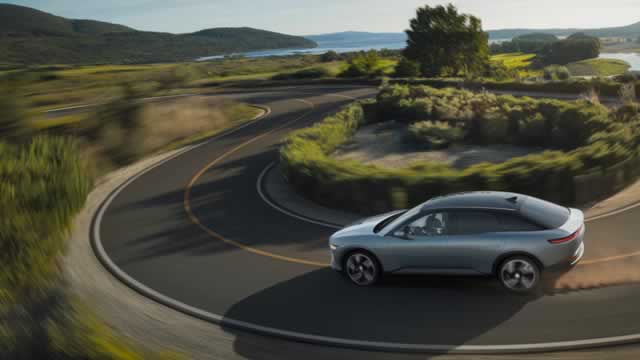
In China's Biggest Car Recall, Tesla and 8 Others Will Address Door Safety
China's regulator ordered changes after vehicle occupants sometimes had difficulty exiting electric cars with retractable door handles after crashes.
Tesla recalls 3 million cars as part of China-wide push to stop hidden door handles
Tesla is recalling just shy of 3 million vehicles in China as part of a nationwide effort to alert vehicle owners to hidden emergency door releases, which can trap occupants in the event of a crash or a fire.
Tesla, Uber, and Waymo all get the OK to operate thousands of robotaxis in Nevada
Nevada, get ready for the robotaxis.
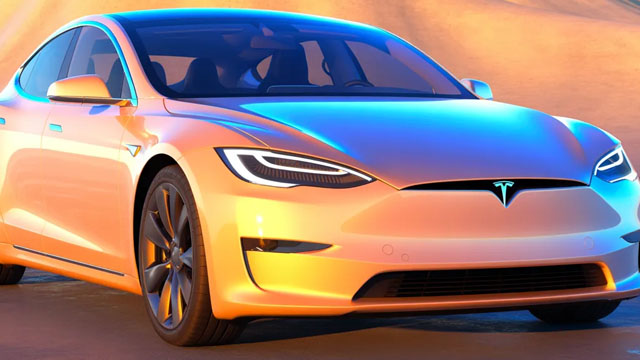
TSLA-Einride Deal for Tesla Semis: Should You Get Too Optimistic?
Tesla's 500-Semi Einride order signals rising commercial demand, but a gradual production ramp and battery constraints temper optimism.
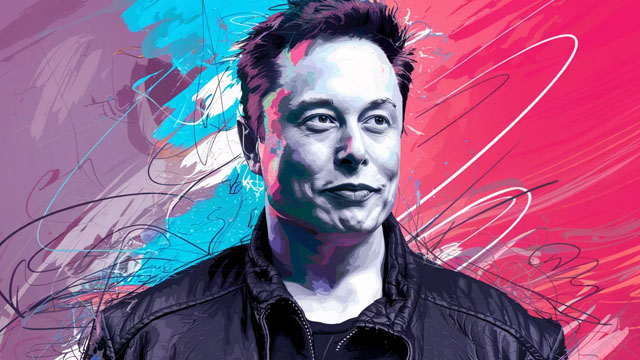
Tesla's Model Y L Is Coming to America. Will It Reignite Sales Growth?
The Model Y L fills a major gap in Tesla's lineup. Six seats could attract more family-focused EV buyers.
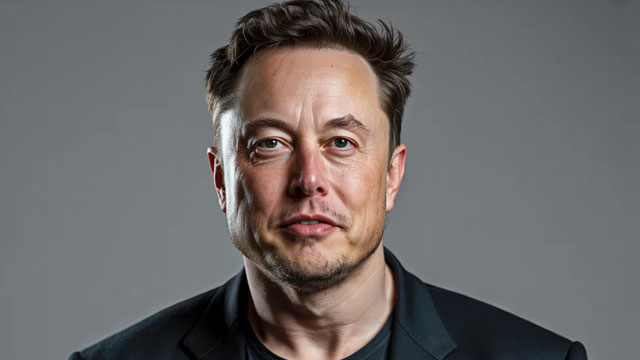
Why Tesla stock is gaining 3% today
Tesla stock TSLA gained 3% on Wednesday, ending a two-session losing streak as investors looked ahead to a potential Cybercab launch event. The company teased the event on X on Monday, saying customers who ride a Tesla robotaxi through Aug. 23 could have a chance to receive an invitation.
Tesla: No One Is Paying Attention
Tesla, Inc. remains a Buy following a 25% YTD decline, as recent weakness is driven by macro factors and sentiment, not a broken thesis. Q2 results showed strong revenue growth and record deliveries, but significant margin compression and elevated capex, especially for pre-revenue initiatives like Robotaxi and Optimus. TSLA's forward P/E is still rich at 189x, with a PEG near 6.9x, but the stock continues to trade on long-term optionality in autonomy, robotics, and energy.
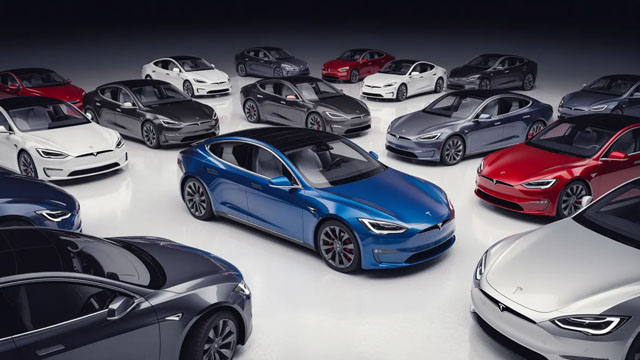
Tesla's Biggest Opportunity May Have Nothing to Do With Cars
Tesla (NASDAQ:TSLA | TSLA Price Prediction) will be driven over the next year by megapacks, robotaxis, and humanoid robots more than by Model Y production.
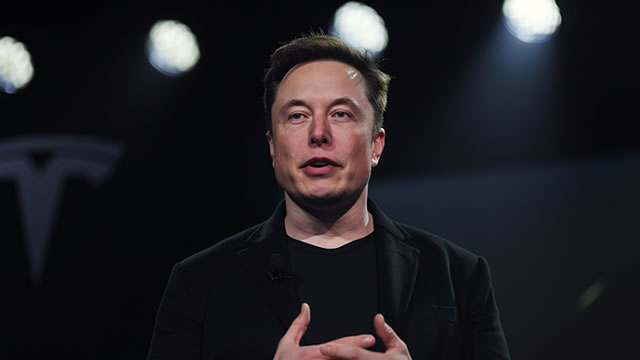
Buy, Hold or Sell Tesla Stock Ahead of Cybercab Launch?
TSLA's Cybercab launch tests its robotaxi ambitions, but Waymo's lead, margin pressure and rising capex cloud the near-term outlook.

Tesla's Cybercab Launch Could Reshape Margins for Uber and Lyft
The narrative around driverless cars has floated in the realm of speculative research for years, but the timeline has just accelerated. Internal directives preparing for an August commercial rollout of a purpose-built, steering-wheel-free vehicle in Austin signal that autonomous mobility is finally arriving on public roads.

Filings show Amazon's stake in electric trucking company that just struck a deal for 500 Tesla Semis
Einride's first earnings report as a public company shows Amazon holding warrants for about 12% of the Swedish electric trucking company, vesting as Amazon buys freight services.
Tesla Is Down 25% in 2026: How Does It Compare to EV Competitors Like Rivian, Lucid, and General Motors?
Tesla (NASDAQ:TSLA | TSLA Price Prediction) stock is down 25% year to date, trading at $335.45 as of Tuesday afternoon.




