



Tesla, Inc. (TSLA)














Tesla's Robotaxi Stalls And Its Valuation Decline Starts
Tesla, Inc. and CEO Elon Musk appear to be deprioritizing the robotaxi initiative. Momentum in TSLA's robotaxi business has stalled, raising doubts about near-term commercialization. This shift may impact TSLA's growth narrative and valuation tied to autonomous driving.
Tesla's door handles may spur new U.S. safety rules
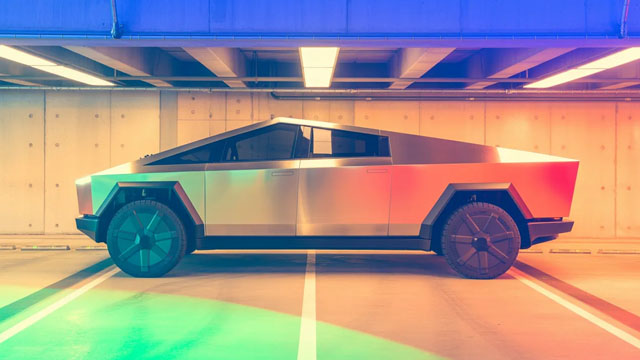
U.S. regulators will begin developing new requirements for automakers to ensure drivers and passengers can safely exit their vehicles. The new rule-making process, outlined in a regulatory filing and first reported by Bloomberg, follows a series of incidents, including fatal ones, in which people have become stuck inside cars with flush, electronically operated door handles like those found on Tesla vehicles.
Reality Bites Elon Musk and His Tesla, SpaceX Believers
Shares of Tesla have tumbled around 15% on a disappointing quarter, and SpaceX has fallen 50% from its highs.
Tesla's Worst Day In A Year Cuts Elon Musk's Net Worth By $18 Billion
Canaccord analysts noted they hoped to see momentum around a merger between Tesla and SpaceX. In Tesla's earnings call, Musk deflected a question about a possible tie-up following months of speculation: “We can't talk about, you know, combining companies and that kind of thing on an earnings call—it has got to be done with the appropriate process.
Tesla Says Optimus Is the First Robot That Learns by Watching
Optimus moved into production this quarter at Tesla's Fremont, California, factory, where the humanoid robot learns from what it sees instead of code written to instruct it. “You've probably seen lots of impressive demonstrations of robots on the internet,” CEO Elon Musk said Wednesday (July 22) on the company's second-quarter earnings call.
TSLA vs. GM: Which Stock Holds an Upper Hand Post Q2 Earnings?
GM appears better positioned after Q2, backed by stronger fundamentals, disciplined pricing, cash flow and a far lower valuation than Tesla.
Two Blowout Quarters, Two Selloffs: What Tesla and Alphabet Reveal About our Price Target
Two of the market's most-watched companies reported blowout quarters on the same night, and both sold off anyway.
Tesla Q2: Why I Still Can't Be Bullish
Tesla delivered strong Q2 vehicle growth and increased FSD subscriptions, but profitability suffered from lower average selling prices and higher expenses. TSLA's optionality in FSD, Cybercab, Semi, and Optimus offers compelling long-term growth potential, yet these ventures remain highly capital-intensive and uncertain in timing and scale. Despite robust prospects, TSLA's current valuation—200x earnings and 90x forward EBITDA—remains excessive relative to achievable near-term fundamentals and optionality realization.
France opposes EU approval of Tesla's FSD driver assistance software for now
France opposes the use of Tesla's Full Self-Driving (FSD) driver assistance software on roads in the European Union in its current form over safety concerns, its transportation minister said.
Did Tesla Finally Provide Clarity on Merger With SpaceX?
Tesla stops short of confirming a SpaceX merger, but Musk highlights deepening ties across AI, chips, robotics and Starlink connectivity.
Tesla's robotaxis are moving in reverse
Tesla's budding “Robotaxi” network drove fewer miles for paying customers in the second quarter than it did in the first, according to a chart the company released on Wednesday.
Cash Squeeze at Tesla and Alphabet: Same Issue But Not The Same at All
Tesla (NASDAQ: TSLA | TSLA Price Prediction) and Alphabet (NASDAQ: GOOGL) both reported Q2 2026 results on July 22, 2026, and both printed negative free cash flow in the same window.




