



Tesla, Inc. (TSLA)














Tesla's operational gains obscured by widening robotaxi lag and valuation disconnect
Tesla Inc's (NASDAQ:TSLA) fundamentals are improving in visible ways: vehicle sales accelerating 15% year-on-year, battery storage deployment reaching 11Gwh with $3bn revenue, and auto gross margins recovering to 18.3%. Jefferies analyst sees genuine operational progress.
Did Elon Musk Just Hint a SpaceX-Tesla Merger Is Imminent?
The market's attention has been fixed on SpaceX ‘s ( NASDAQ:SPCX ) historic public debut and the company's rapid climb toward a valuation exceeding $2 trillion.
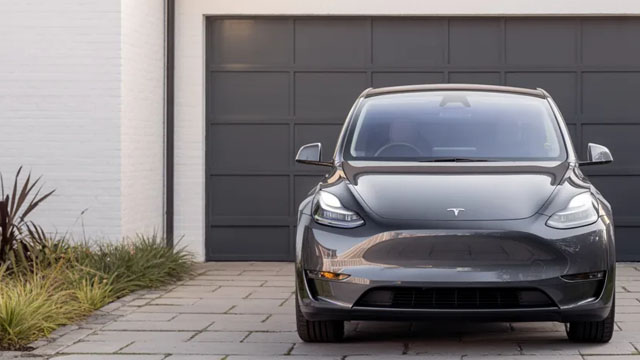
A Tesla driver using auto assistance crashed into a Texas home, killing a woman
A Tesla Model 3 crashed into a home in Katy, Texas, killing a resident inside on Friday night. Driver Michael Butler said Tesla's driver assistance tool was active during the fatal crash.
Tesla Driver Using Autopilot Crashes Into Home, Killing a Woman, Officials Say
The driver told investigators he was using the vehicle's automated-driver system when the vehicle left the roadway and crashed into a house in Harris County, Texas.
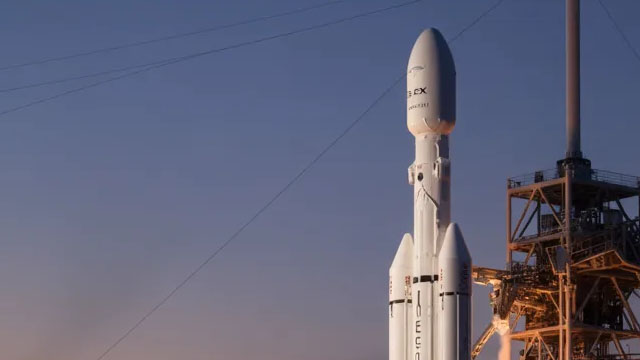
Can SpaceX Deliver Tesla-Level Returns? The Bull and the Bear Case
SpaceX is looking to revolutionize space travel, among other ambitious goals. The company dominates several industries where it operates.
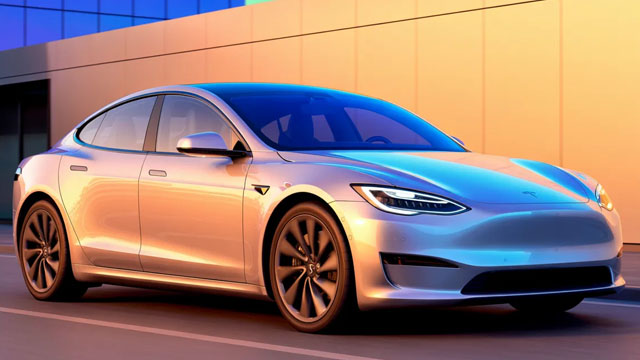
Energy Expert: Electric Vehicles Are the ‘Keystone Species' of the Next Megatrend. Will Tesla's Stock See Massive Gains?
On a recent episode of the Catalyst with Shayle Kann podcast themed around the “electric supercycle,” energy investor Andy Lubershein laid out a framework that should reshape how investors think about the EV trade.
Elon Musk Just Told Investors to Be (Really) Patient With Optimus and Robotaxi
Elon Musk spent much of Tesla's Q1 2026 earnings call doing something he rarely does: lowering expectations.

Cathie Wood buys more Tesla, cuts Roku as ARK doubles down on AI
Cathie Wood's ARK Invest increased its exposure to Tesla and Snowflake on Thursday while continuing to trim its position in Roku, according to the firm's latest daily trading disclosures. The moves underscore ARK's continued focus on artificial intelligence, cloud software, and long-term technology themes even as market volatility persists around some of its biggest holdings.
Elon Musk says he is adding a voice interface to full self-driving while regulators investigate it for missed hazards
Elon Musk said Tesla Inc (NASDAQ:TSLA) owners will soon be able to speak to Grok, the AI assistant from xAI, as if the car is a chauffeur. Commands like "turn right here" and "drop at the entrance first, then park far away" will be voice-activated instead of requiring touchscreen input or steering wheel controls.
Have You Bought a Tesla Recently? We Want to Hear From You.
Tesla sales are rebounding in Europe even though many people have negative feelings about Elon Musk, the company's chief executive. We want to know why.
Here's How to Invest in the $200 Billion Humanoid Robot Future With ETFs
Humanoid robots could grow into a $200B market by 2035. These ETFs offer diversified exposure to companies driving AI-powered automation.
Is Tesla succeeding in AI? Watch this for a clue.
As Tesla has doubled down on artificial intelligence, investors are left trying to make sense of the company's progress. According to analysts at Oppenheimer, tracking how Tesla spends its cash may provide some insight.




