



United Parcel Service, Inc. (UPS)










Prediction: UPS Stock Might Have Further to Fall
UPS (UPS -2.50%) will release its first-quarter earnings report on April 26, and it looks like there's more potential for negative news than positive news. That said, there's still a case for buying the stock and holding it for the long term, so the dynamics make UPS a "must-watch" stock this month, not least for investors looking to buy in on a dip.
UPS to Benefit From Export Services Expansion From Kyushu: Here's How
The latest business move is expected to strengthen United Parcel Service's position in the Kyushu region.

UPS vs. FDX: Which Parcel Delivery Company is a Stronger Play Now?
Amid low shipment volumes, cost-cutting efforts and tariff concerns, let's see which of these heavyweights, FDX or UPS, emerges as a better pick now.
Why UPS Stock Was Down 12.8% in Q1 as the S&P 500 Had Its Worst Quarter Since 2022
Shares in UPS (UPS -7.36%) fell by 12.8% in the first quarter of 2025, according to data provided by S&P Global Market Intelligence. The decline comes down to a poorly received fourth-quarter earnings report and mounting evidence of a slowdown in its end markets that could pressure its first-quarter earnings.
Here is What to Know Beyond Why United Parcel Service, Inc. (UPS) is a Trending Stock
UPS (UPS) has received quite a bit of attention from Zacks.com users lately. Therefore, it is wise to be aware of the facts that can impact the stock's prospects.
United Parcel Service (UPS) Beats Stock Market Upswing: What Investors Need to Know
United Parcel Service (UPS) closed at $110.20 in the latest trading session, marking a +0.86% move from the prior day.

Here's Why United Parcel Service (UPS) Gained But Lagged the Market Today
In the latest trading session, United Parcel Service (UPS) closed at $109.99, marking a +0.3% move from the previous day.

UPS Aids Import Fee Transparency via Global Checkout Service Launch
UPS Global Checkout offers a game-changing solution for international shoppers by guaranteeing total cost transparency at checkout.

Should You Buy UPS Stock Now? Deep Dive Into Its 5-Year Low
United Parcel Service NYSE: UPS, a leading indicator for global commerce, transportation, and logistics, has seen its stock trading near a five-year low. This has presented investors with a critical decision: Does this represent a strategic entry point into a global powerhouse with a substantial dividend yield, or is it a warning sign of fundamental challenges ahead?
UPS Rolls Out Tool to Help Shoppers Avoid Surprise Tariffs
UPS is debuting a tool to help online shoppers view the added cost of tariffs. UPS Global Checkout is designed to ease international trade as a trade war between the United States and other nations complicates eCommerce shipping, according to a Wednesday (March 26) press release.
Why United Parcel Service Stock Slumped by 5% on Tuesday
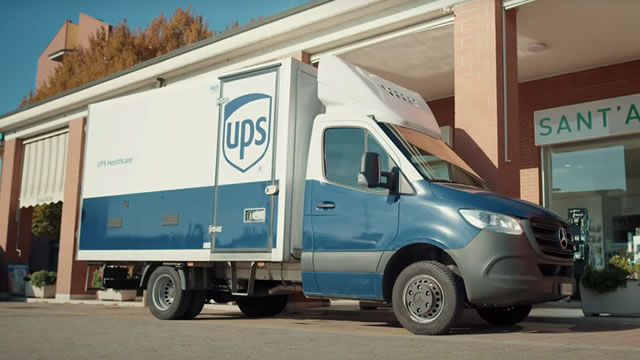
The logistics sector is not currently in favor with investors, to put it mildly, and United Parcel Service (UPS -5.07%) stock was bearing the brunt of this on Tuesday.
Here's Why United Parcel Service (UPS) Gained But Lagged the Market Today
In the latest trading session, United Parcel Service (UPS) closed at $115.80, marking a +0.61% move from the previous day.




