



United Parcel Service, Inc. (UPS)









Should You Buy United Parcel Service While It's Below $120?
United Parcel Service (UPS 1.19%) offered investors good news when it reported fourth-quarter 2024 earnings in late January. It also provided investors with news that could easily be seen as bad.

Wall Street Analysts Think UPS (UPS) Is a Good Investment: Is It?
When deciding whether to buy, sell, or hold a stock, investors often rely on analyst recommendations. Media reports about rating changes by these brokerage-firm-employed (or sell-side) analysts often influence a stock's price, but are they really important?
United Parcel Service (UPS) Stock Dips While Market Gains: Key Facts
In the most recent trading session, United Parcel Service (UPS) closed at $116.89, indicating a -1.03% shift from the previous trading day.
UPS Stock: Buy, Sell, or Hold?
One of the most intriguing investment propositions in the industrial sector, UPS (UPS -0.15%), is a battleground stock for bulls and bears. Although the company has disappointed investors in recent years, it's making underlying progress in its medium-term strategy, and a turnaround could be under way in 2025.

What's a Fair Price for UPS Stock?
UPS (UPS 0.50%) recently announced it will reduce its reliance on Amazon (AMZN -0.73%) deliveries moving forward.
3 Reasons to Buy UPS Stock Like There's No Tomorrow
United Parcel Service (UPS 0.50%), usually just known by its ticker UPS, has been working through a turnaround. Wall Street hasn't been impressed with its efforts, but in the back half of 2024, the company's performance turned an important corner.

Profit from This Shipping Stock Always Doing the Same Thing After Earnings
United Parcel Service (UPS) reported earnings a couple of weeks ago, and just as traders did through the last earnings, they sold down into a gap. The stock is now in a range-based formation that we have seen through the last two earnings cycles.
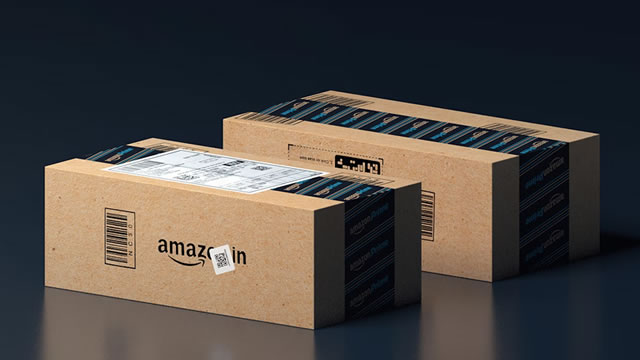
UPS Cuts Amazon Deal: Short-Term Pain For Long-Term Gain
UPS's decision to cut Amazon's volume by 50% by mid-2026 is a strategic move to enhance profitability and focus on higher-margin business. Though short-term revenue will dip, UPS expects significant margin expansion, targeting a 12% U.S. operating margin by Q4 2026. Strategic cost reductions, including facility closures and network resizing, will align UPS's operations with its new business mix.

Right Time to Buy UPS Stock After Recent Dividend Hike?
Here, we assess the investment worthiness of United Parcel Service stock.
The Ultimate Guide to Investing in UPS for Maximum Returns
UPS (UPS -0.32%) has a fascinating value proposition. Based on management's guidance, the stock is an excellent value, but can UPS meet its leadership's expectations?
Down 50% With a 5.9% Dividend Yield, Here's Why This Dirt Cheap Value Stock Is Worth Buying in February
At the time of this writing, the stock of United Parcel Service (UPS -0.32%) is down 17.5% since reporting fourth-quarter and full-year 2024 results on Jan. 30.

Is It Finally Time to Give Up on UPS After the High-Yield Dividend Stock Crashed to a 4-Year Low?
United Parcel Service (UPS -0.32%) stock fell 14.1% on Jan. 30 after the company reported disappointing fourth-quarter and full-year 2024 results. The stock is now at its lowest level since July 2020.




