


Tether

Payments Platform Conduit Files Federal Lawsuit After Tether Freezes $2.76M Without Explanation
A federal lawsuit filed by Conduit Technology targets stablecoin giant Tether over allegations the firm froze $2.76 million in USDT assets without providing any rationale.

Conduit sues Tether over $2.76M frozen USDT
Conduit sued Tether over a $2.76M USDT freeze tied to a Brazil investigation, seeking access to the funds, damages and reserve profits.

Payments Firm Says Tether Froze $2.76 Million Brazilian Police Didn't Flag, Forcing Layoffs
In a New York lawsuit, Conduit says Tether's financial-crime unit added its treasury wallet to freezes tied to a Brazilian probe that never targeted it, and has kept the money locked since September 2025.
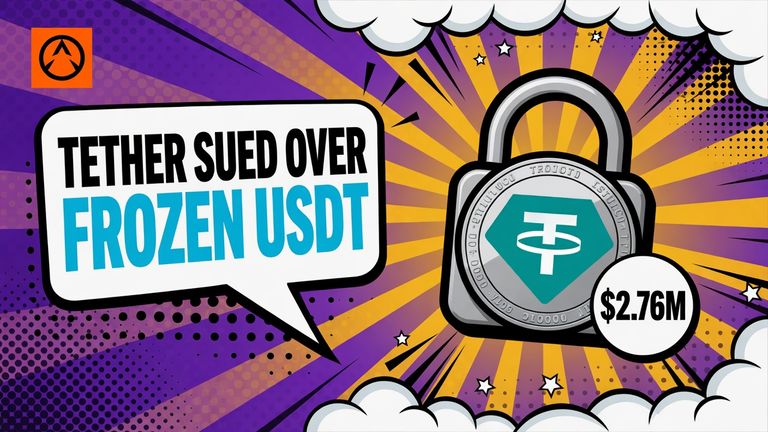
Conduit Sues Tether Over Frozen $2.76M USDT Wallet
Conduit Technology says Tether froze its $2.76 million treasury wallet without giving a reason, in a suit that tests how far Tether's freeze power reaches.
Conduit Sues Tether Over a $2.76M USDT Wallet Frozen for a Year
Conduit Technology has sued Tether after the stablecoin issuer froze $2.76 million in the company's USDT and allegedly kept it locked for more than a year. The stranger part is why.

Conduit sues Tether over $2.76 million USDT freeze as challenges mount
Conduit, a cross-border payments firm, has sued Tether over a $2.76 million USDT freeze it says has locked up its main operating account for more than a year. Tether's motives for freezing wallets have come under increased scrutiny as firms and individuals drag the issuer to court regarding their assets.

Conduit sues Tether over allegedly freezing $2.8M without explanation
The lawsuit alleged that Tether froze USDt funds in a Conduit wallet tied to an investigation launched by Brazilian authorities in 2024.

Blumenthal Seeks Treasury and Justice Investigations Into Tether
A Senate Democratic staff analysis found that 84% of 846 wallets identified by U.S. or Israeli authorities transacted almost entirely in USDT.

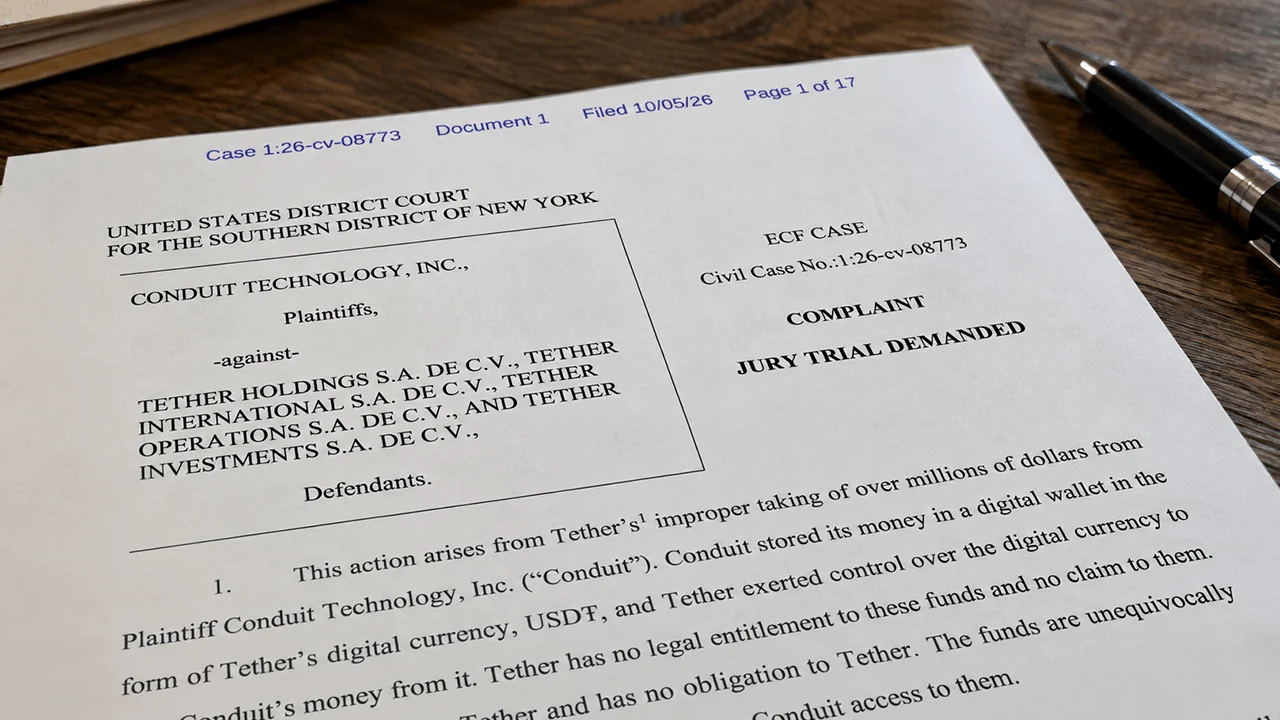
Conduit Sues Four Tether Entities Over Alleged USDT Freeze
The complaint was filed Oct. 5, 2026, in the U.S. District Court for the Southern District of New York.

Conduit sues Tether over $2.76 million in frozen USDT
The lawsuit highlights potential counterparty risks in stablecoin transactions, raising concerns about asset control and legal recourse. Conduit sues Tether over $2.76 million in frozen USDT.

Binance Records 59.7488 Million USDT Net Inflow Over One Hour
The amount was denominated in USDT. The supplied report gives no reason for the movement.

Binance Records 39.7501 Million USDT Net Inflow in One Hour
The Oct. 2 inflow exceeded a previously recorded 30.5666 million USDT inflow but was below the 58.2991 million recorded Sept. 29.


