



Visa Inc. Class A (V)













Is Visa's (V) New Card Replacement Service a Game-Changing Move?
The timing of Visa's (V) new service coincides with the summer travel season when the demand for convenient and secure payment solutions is high.

Judge rejects multibillion Visa, Mastercard settlement in swipe fee case
A federal judge on Tuesday rejected a proposed $30 billion settlement between card issuers Visa and Mastercard and merchants over swipe fees assessed on customers' transactions.

Judge rejects Visa, Mastercard $30B settlement over controversial swipe fees
The settlement announced in March was intended to resolve most litigation that began in 2005 over so-called swipe fees, also known as interchange fees, that merchants pay to accept Visa and Mastercard, and which the card networks set.

US judge rejects Visa, Mastercard $30 bln swipe fee settlement
A U.S. judge on Tuesday rejected a $30 billion antitrust settlement in which Visa and Mastercard agreed to limit fees they charge merchants who accept their credit and debit cards.

Why the Market Dipped But Visa (V) Gained Today
In the closing of the recent trading day, Visa (V) stood at $276.30, denoting a +0.39% change from the preceding trading day.

WU vs. V: Which Stock Is the Better Value Option?
Investors interested in Financial Transaction Services stocks are likely familiar with Western Union (WU) and Visa (V). But which of these two companies is the best option for those looking for undervalued stocks?
Visa: One Of The Best Dividend Growth Stocks Of All Time Is On Sale
FOMO caution: AI stocks may be overpriced. Visa offers strong growth potential at a fair price. Consistent growth and dividend history make Visa a strong long-term investment.
Is It Too Late to Buy Visa Stock?
Visa usually moves in line with the economy, but it's demonstrating resilience right now. It continues to make new deals to widen its moat.

China asks Visa, Mastercard to cut transaction fees, Bloomberg News reports
China is pushing for Visa and Mastercard to lower their bank card transaction fees in the country, as part of an effort to facilitate payments for foreign visitors, Bloomberg News reported, citing a person familiar with the matter.
Investors Heavily Search Visa Inc. (V): Here is What You Need to Know
Visa (V) has received quite a bit of attention from Zacks.com users lately. Therefore, it is wise to be aware of the facts that can impact the stock's prospects.
Visa (V) Ascends But Remains Behind Market: Some Facts to Note
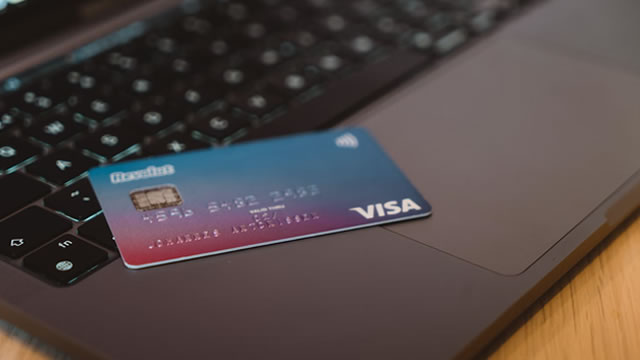
Visa (V) concluded the recent trading session at $271.17, signifying a +0.19% move from its prior day's close.
Discover's Pulse Network Settles Antitrust Suit Against Visa
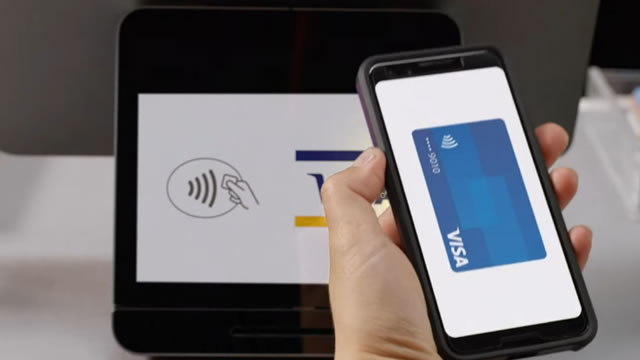
Discover's Pulse Network has settled a 10-year-old antitrust suit against Visa. Pulse had accused Visa of preventing competition in the debit card network services market, thus raising fees for merchants.




