



Visa Inc. Class A (V)














Visa CEO Says Company Now a Payments ‘Hyperscaler'
Visa's fiscal fourth quarter results, released after the markets closed on Tuesday (Oct. 28) showed growth in debit and credit spending, a surge in tokenized credentials and momentum in stablecoin-related activity. The company's materials indicated that U.S. payments volume was up 8%, accelerating from the previous quarter.

Visa (V) Q4 Earnings: Taking a Look at Key Metrics Versus Estimates
The headline numbers for Visa (V) give insight into how the company performed in the quarter ended September 2025, but it may be worthwhile to compare some of its key metrics to Wall Street estimates and the year-ago actuals.

Visa (V) Tops Q4 Earnings and Revenue Estimates
Visa (V) came out with quarterly earnings of $2.98 per share, beating the Zacks Consensus Estimate of $2.97 per share. This compares to earnings of $2.71 per share a year ago.

Visa earnings offer an upbeat read on consumer-spending habits
Volume growth picked up in the latest quarter, suggestive of healthy payment activity.

Visa Sales Jump as Consumers Keep Spending
Visa's revenue climbed in its fiscal fourth quarter as healthy consumer spending drove payments volumes higher.

Why Visa (V) is a Top Stock for the Long-Term
The Zacks Focus List offers investors a way to easily find top-rated stocks and build a winning investment portfolio. Here's why you should take advantage.

Stay Ahead of the Game With Visa (V) Q4 Earnings: Wall Street's Insights on Key Metrics
Beyond analysts' top-and-bottom-line estimates for Visa (V), evaluate projections for some of its key metrics to gain a better insight into how the business might have performed for the quarter ended September 2025.

Will Visa Stock Rise On Approaching Earnings?
Visa (NYSE:V) is expected to announce its Q4 FY'25 earnings (September fiscal year) on or around Tuesday, October 28, 2025. The revenue is anticipated to increase by approximately 10% year-over-year to $10.6 billion, based on consensus forecasts, while earnings are estimated to be around $2.97 per share.
Visa Teams With Edenred to Bolster Commercial Payments
Specific-purpose payments solutions provider Edenred partnered with Visa. “This collaboration strengthens Edenred's platform through the certification of its in-house issuing and processing infrastructure with Visa Europe,” according to a Tuesday (Oct. 21) news release.
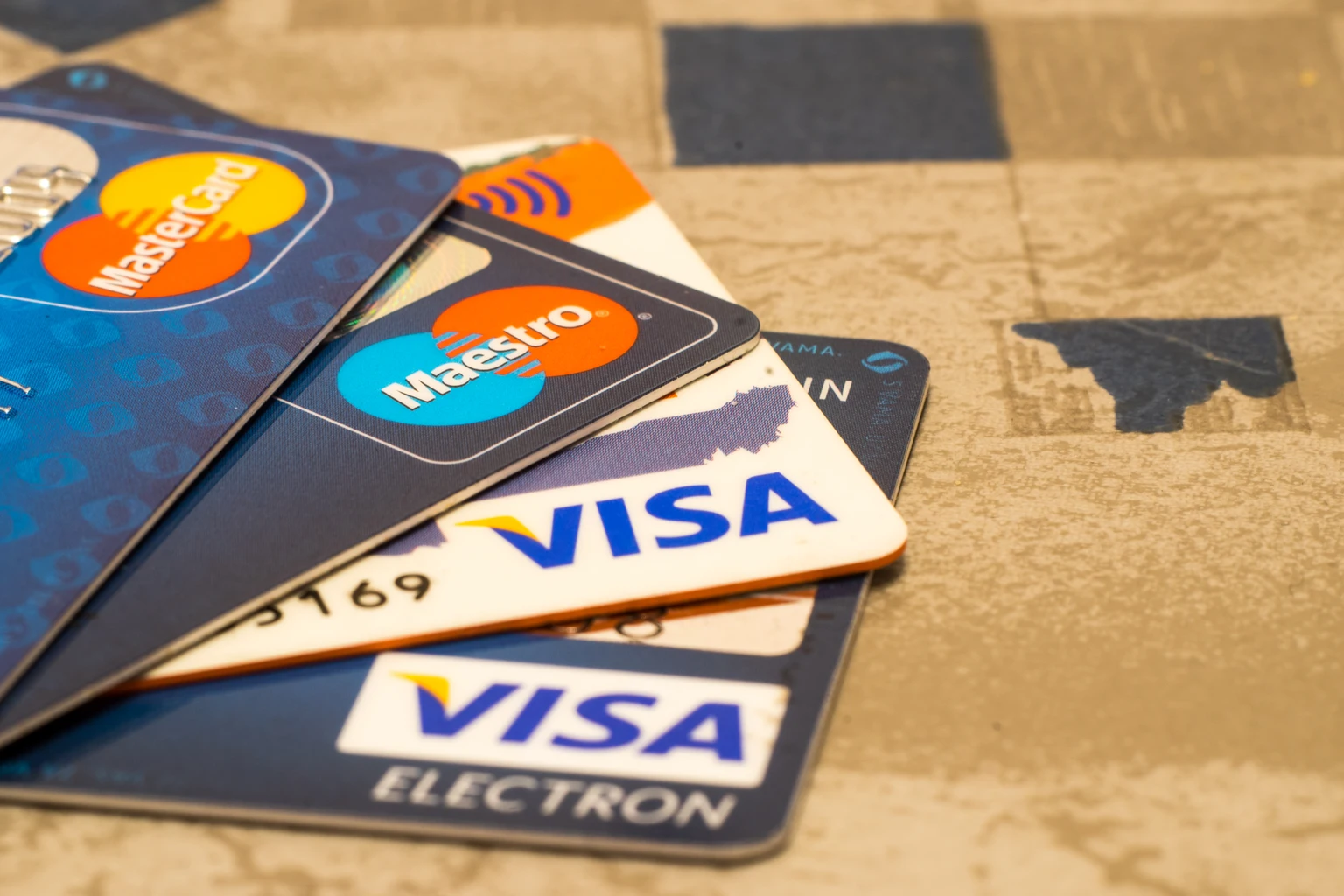
Visa's Valuation Looks High - Until You Run The Numbers
Visa's Valuation Looks High - Until You Run The Numbers

Will Visa's New Protocol Reinforce Confidence in Agent-Based Commerce?
V's Trusted Agent Protocol, built with Cloudflare, aims to secure AI-driven commerce and build trust across digital payments.

Earnings Growth & Price Strength Make Visa (V) a Stock to Watch
Wondering how to pick strong, market-beating stocks for your investment portfolio? Look no further than the Zacks Focus List.




