



Visa Inc. Class A (V)














Visa (V) Boasts Earnings & Price Momentum: Should You Buy?
Wondering how to pick strong, market-beating stocks for your investment portfolio? Look no further than the Zacks Focus List.

Should You Invest in Visa (V) Based on Bullish Wall Street Views?
Investors often turn to recommendations made by Wall Street analysts before making a Buy, Sell, or Hold decision about a stock. While media reports about rating changes by these brokerage-firm employed (or sell-side) analysts often affect a stock's price, do they really matter?

Zions Bancorporation: Visa Gain, Core Loan Growth, Cheap
Zions Bancorporation delivered strong Q2 results, beating earnings and revenue estimates on robust net interest income and a one-time asset sale gain. ZION's book value per share surged 18% year-over-year, driven by a $215 million pre-tax gain from the sale of Visa Class B-1 shares. Loan growth, driven by the commercial & industrial segment, and favorable deposit mix supported a 4% year-over-year net interest income increase.

Visa (V) Reports Next Week: Wall Street Expects Earnings Growth
Visa (V) possesses the right combination of the two key ingredients for a likely earnings beat in its upcoming report. Get prepared with the key expectations.

Visa Bets the Future of Money Still Needs an Operator
Stablecoins were supposed to make payment networks less necessary. Visa's new stablecoin platform, introduced Thursday (July 16), suggests a messier outcome.

Visa vs. American Express: Which Payments Giant Is the Better Pick?
V's asset-light model, AI payment initiatives and expanding value-added services strengthen its case over AXP for long-term growth.
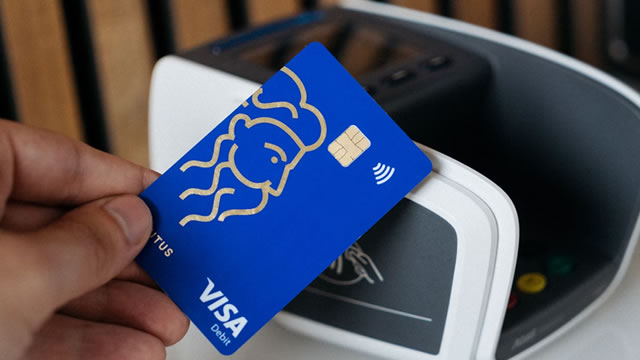
Can Visa's Stablecoin Platform Accelerate Enterprise Blockchain Use?
V's Stablecoin Platform aims to simplify blockchain payments, helping institutions adopt stablecoins while expanding enterprise use cases.

Google and Visa join the online micro-payments revolution
Visa, Stripe and Google have joined the x402 Foundation as premier members, adding three of the biggest names in payments and search to an effort to build an open standard for machines that pay each other. The foundation, affiliated with the Linux Foundation, is developing x402, a protocol that lets AI agents transact with each other and with people directly over the web, without subscriptions or a human typing in card details.

Visa (V) Advances While Market Declines: Some Information for Investors
In the most recent trading session, Visa (V) closed at $365.14, indicating a +2.82% shift from the previous trading day.

Best Buy vs Visa: Which Golden Cross Stock Is the Better Buy Now?
Best Buy (NYSE:BBY | BBY Price Prediction) and Visa (NYSE:V) have both flashed a golden cross this month.

Visa Strengthens Value-Added Services With AI Assistant for Banks
Visa launches AI Financial Assistant to bring secure, conversational financial guidance into banking apps, expanding its value-added services strategy.

Can Visa Deepen Its Remittance Business Through ACE Partnership?
V is expanding its cross-border payments business with ACE Money Transfer to simplify digital remittances and strengthen global money movement.




