



VanEck Semiconductor ETF (VE48)





Summary
VE48 Chart

Forget SMH: BlackRock's Chip Fund Beat It by 22.43 Points Over the Past Year
BlackRock's semiconductor fund has been quietly outpacing the one most chip investors default to, but the longer you look back at the numbers, the more complicated the story gets.
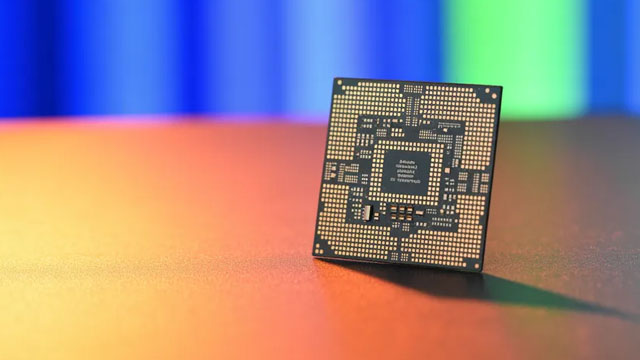
Why Semiconductor Investors Are Rotating From SMH's Nvidia Concentration to PSI's Equal-Weight Approach
One rival semiconductor ETF has quietly lapped the most popular chip fund on the market over the past year, and the reason comes down to a single position that most investors never think to question.

Portfolio Fit: KCHP
Investors trying to isolate the Korean piece of the AI memory cycle have historically had to buy it inside a broad country fund, where semiconductors are the story but banks, autos, shipbuilders, and cosmetics companies dilute the exposure.
VanEck Semiconductor ETF (VE48) FAQ
What is the stock price today?
On which exchange is it traded?
What is its stock symbol?
Does it pay dividends? What is the current yield?
What is its market cap?
Has VanEck Semiconductor ETF ever had a stock split?
VanEck Semiconductor ETF Profile
| XHAM Exchange | US Country |
Overview
The described company operates as an investment fund centered around the semiconductor industry. It commits at least 80% of its total assets to securities that align with its benchmark index, focusing on common stocks and depositary receipts. The scope of investment targets U.S. exchange-listed companies within the semiconductor sector, which includes both medium-sized corporations and international companies listed in the U.S. markets. This fund adopts a non-diversified investment strategy, concentrating its investments in a specific area of the technology sector.
Products and Services
- Securities Investment
The primary service offered by the fund is investing in securities specific to the semiconductor industry. This includes acquiring common stocks and depositary receipts that are part of the fund's benchmark index. Through these investments, the fund aims to mirror the performance of the semiconductor sector represented by its chosen index.
- U.S. Exchange-Listed Company Investments
Investments are primarily focused on companies within the semiconductor industry that are listed on U.S. exchanges. This includes not just U.S.-based companies but also international firms that have their stocks listed in U.S. markets. This strategy provides investors with exposure to the global semiconductor industry while leveraging the regulatory and financial benefits of U.S. market listings.
- Focus on Medium-Capitalization Companies
Among its investment targets, the fund places a significant emphasis on medium-capitalization companies in the semiconductor sector. This approach allows the fund to potentially capture growth opportunities in emerging or rapidly evolving segments of the industry, where such companies frequently operate.
Contact Information




