



Walmart Inc. (WMT)













Walmart Stock Slips as Raised Outlook Disappoints
Shares of Walmart Inc (NASDAQ:WMT) are down 7.3% at $106.01 before the open, after the retail giant's second-quarter results failed to impress Wall Street.

Walmart (WMT) Beats Q2 Earnings and Revenue Estimates
Walmart (WMT) came out with quarterly earnings of $0.81 per share, beating the Zacks Consensus Estimate of $0.73 per share. This compares to earnings of $0.68 per share a year ago.

Walmart e-commerce sales surge as CEO touts 'price, speed and convenience'
Walmart's e-commerce gains were driven by strong growth in pickup, delivery and its online marketplace across its U.S. and international businesses.

Walmart shares slide as U.S. sales hit by falling drug prices
The supermarket chain reported comparable U.S. sales growth of 2.6% in its second-quarter earnings, its lowest in over five years.

Walmart says it will use billions in tariff refunds to keep prices low
Walmart said it received nearly $2.9 billion in tariff refunds and plans to use some of the benefit to support lower prices for shoppers, while the refunds also provided a significant boost to quarterly operating income.

Walmart will report second-quarter earnings before the bell. Here's what to expect
Walmart is expected to report its fiscal second-quarter earnings on Thursday, offering a read on the consumer and the K-shaped economy. The retailer previously issued a worse-than-expected financial outlook for the year.

Walmart stock dubbed a 'valuation concern' ahead of Q2 earnings
Walmart Inc (WMT) stock remain in the spotlight ahead of the retail behemoth's fiscal Q2 earnings scheduled to be released before the market opens on August 20. Consensus is for WMT to record $0.73 a share of earnings (EPS) on nearly $185 billion in revenue, which would represent a more than 5% top-line growth on a year-over-year basis.
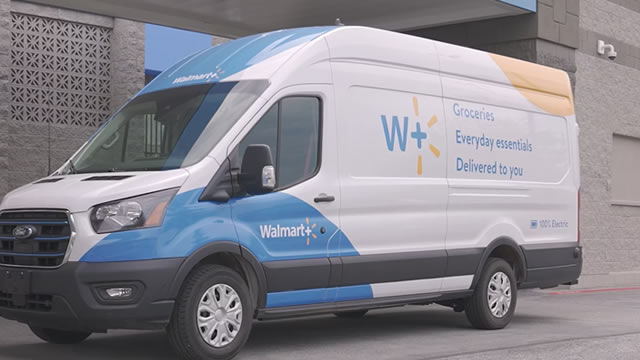
Walmart May Have a Big Surprise in Store For Investors on August 20th
Walmart (NYSE:WMT | WMT Price Prediction) screens as a low-deliberation candidate for a retirement portfolio heading into the Aug.

Here's How Much Traders Expect Walmart Stock to Move After Earnings
Walmart is due to report earnings Thursday morning, with traders anticipating a big move from the retailer's stock following the results.

Walmart's Grocery Lead Faces a Higher-Margin Test
Walmart reports earnings Thursday (Aug. 20), and it enters with a valuable retail advantage that looks both powerful and underused. It captures the weekly grocery trip, yet Amazon increasingly captures what shoppers buy beyond it.

Why Walmart (WMT) Could Beat Earnings Estimates Again
Walmart (WMT) has an impressive earnings surprise history and currently possesses the right combination of the two key ingredients for a likely beat in its next quarterly report.

Price Prediction: Can Walmart Reclaim $140 After Its Recent Pullback?
Walmart (NASDAQ:WMT | WMT Price Prediction) has cooled after a strong spring run.




