



Walmart Inc. (WMT)













Amazon Clothing Share Doubles as Walmart Loses Ground
Amazon's share of U.S. clothing spending has doubled since 2019 while Walmart's has edged lower, a six-year divergence that was still widening during the first half of 2026. PYMNTS Intelligence estimates that Amazon accounted for 17.0% of U.S. clothing spending in 2025, compared with 8.5% in 2019.
Walmart Keeps Cratering: 45% Gains Are Expected From A Respected Wall Street Pro
Walmart (NASDAQ:WMT | WMT Price Prediction) currently trades at $106.53, while Wall Street's consensus price target sits at $128.43.
Core Compounders Should Do This With Walmart
At $106.49, Walmart (NYSE:WMT | WMT Price Prediction) trades at a level that reframes the risk/reward math for long-term compounders.
Walmart Stock Has Dropped Since Earnings. Could It Keep Falling?
August hasn't been kind to Walmart investors.
Walmart launches new fashion brand with most items priced under $25
The retailer is expanding its fashion push with an affordable bohemian collection designed to win over younger, style-conscious women.

I ordered from Walmart, Target, and Home Depot to see how their 3-hour deliveries stack up
Home Depot just launched nationwide three-hour delivery, joining big box competitors Target and Walmart. The move raises the stakes on same-day fulfillment as retailers try to win more e-commerce sales.
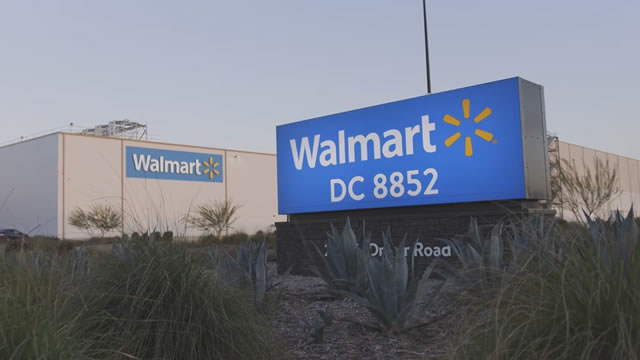
Walmart NFC Rollout Accelerates the Move to Wallet-Based Checkout
Walmart's move to NFC lands as mobile wallets are taking a larger role at the register, giving one of the prominent remaining retail holdouts in the United States the same contactless payment infrastructure already common across much of the market. Beginning Monday (Aug.
Walmart Just Cratered Almost 10% in a Week. This Retail CEO Says the Holidays Will Prove Everyone Wrong.
Walmart (NYSE:WMT | WMT Price Prediction) beat adjusted EPS expectations at $0.81 against a $0.7413 estimate, grew revenue 5.94% to $187.94 billion, and raised full-year sales guidance to 4% to 5% from 3.5% to 4.5%.
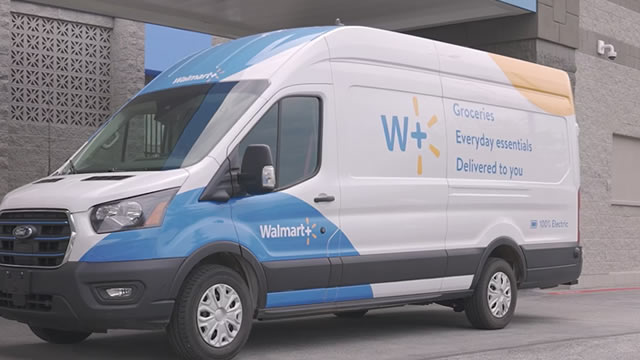
Can Walmart's Tap to Pay Push Strengthen Customer Engagement?
Walmart rolls out Tap to Pay across U.S. stores and clubs, adding checkout flexibility as digital sales and membership engagement grow.
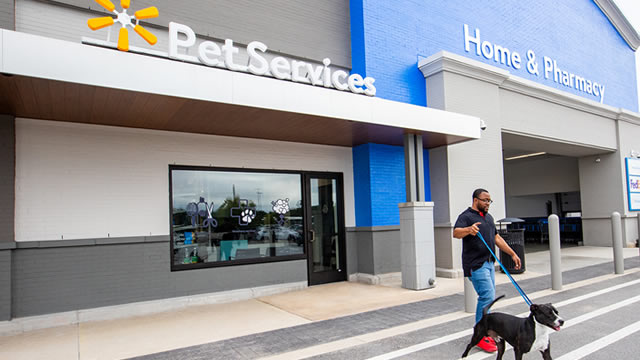
Walmart Has Too Many Stores
Many large retailers posted good-to-very-good same-store sales last quarter. Even Target (NYSE: TGT | TGT Price Prediction), which is usually weak, had same-store sales up 3.6%.

Walmart and Home Depot Earnings Show The K (Shaped Economy) Is Here To Stay
The S&P 500 may have hit a new all-time high this month, but that doesn't necessarily mean consumers are feeling good about the economy. While consumer sentiment has rebounded from its historic lows, July retail sales data surprised to the downside at $763.6 billion, down 0.6% from the previous month.
Walmart: Even After The Post-Earnings Sell-Off, It's Still Too Expensive (Rating Downgrade)
Walmart remains a premier, recession-resistant business with strong market share and robust financials, but valuation is stretched at 36x forward earnings. Despite a solid quarter with double-beat results, WMT sold off due to soft comparable sales, cautious guidance, and concerns over U.S. consumer weakness. Full-year guidance was raised modestly, with net revenue expected to grow 4%-5% and EPS up 7.4% at the midpoint, but growth is slowing.




