







Natural Gas and Oil Forecast: WTI Holds at $71 Amid Strong Demand from China and India
WTI crude oil hovers at $71 as rising demand from China and India supports prices. Geopolitical tensions heighten supply disruption concerns.

Natural Gas, WTI Oil, Brent Oil Forecasts – Oil Tests New Highs Ahead Of The Weekend
Oil traders stay bullish amid rising geopolitical tensions.

Natural Gas, WTI Oil, Brent Oil Forecasts – Oil Markets Test Weekly Highs
Oil prices continue to rebound from November lows.

Natural Gas, WTI Oil, Brent Oil Forecasts – Oil Is Mostly Flat As Norway's Johan Sverdrup Oilfield Resumes Production
WTI oil did not manage to test the $70.00 level.

Natural Gas, WTI Oil, Brent Oil Forecasts – Oil Rallies As Equinor Halts Johan Sverdrup Oilfield
Rising geopolitical tensions provided additional support to oil markets.

Natural Gas, WTI Oil, Brent Oil Forecasts – Oil Retreats As Traders Focus On Weak Chinese Demand
Oil markets are under strong pressure ahead of the weekend.

Oil News: Daily Decline Sets WTI Futures on Track for Weekly Loss of 3.6%
Oil prices fall as weak Chinese demand and U.S. Fed rate outlook weigh. WTI drops 3.6% for the week, testing key support.

Natural Gas, WTI Oil, Brent Oil Forecasts – Oil Pulls Back From Session Highs As Traders Focus On EIA Data
Rising crude inventories put pressure on oil prices.

W&T Offshore: Unlocking Value From Deleveraging
The previous decade was tough for W&T Offshore, as they battled to deleverage whilst enduring oil price booms and busts. Thankfully there is a light at the end of the proverbial tunnel once their senior notes are hopefully repaid in early 2026. These incur a very high 11.75% interest rate, which is hindering their free cash flow and thus dividends.

Natural Gas, WTI Oil, Brent Oil Forecasts – Oil Rebounds From Weekly Lows
Oil markets are moving higher as short sellers take profits after the recent pullback.
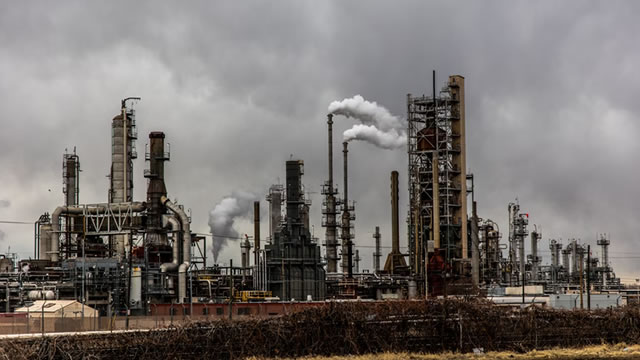
Natural Gas, WTI Oil, Brent Oil Forecasts – Oil Is Flat As OPEC Cuts Demand Forecast
Oil markets were swinging between gains and losses as traders reacted to the OPEC report.
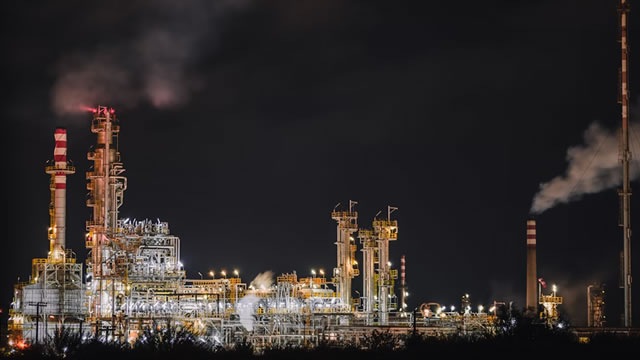
Natural Gas, WTI Oil, Brent Oil Forecasts – Oil Dives Amid Demand Worries
Traders are worried that China's economy will not be able to gain strong momentum.




