










Targeting Adhesion Molecules With ADC's: The Bet Of CytomX
CytomX (CTMX) is advancing its ADC candidate CX-2051 in the oncological field. CX-2051 shows an impressive response rate and improved progression-free survival in heavily pretreated colorectal cancer patients, outperforming current therapies. Investment in CTMX is high risk and binary, but promising science and early clinical data support a speculative Buy for risk-tolerant investors.

Bet on These 3 Retail REITs as the Sector Shows Renewed Strength
Retail REITs like Agree Realty, Federal Realty and Urban Edge are thriving as tight supply, disciplined growth and necessity-driven tenants sustain stability.

REIT Lessons That Could Save You Thousands
Many REITs are bad investments. This is a sector in which you need to be very selective. I share five key lessons from over a decade of REIT investing that will help you avoid losers and improve your investment results.
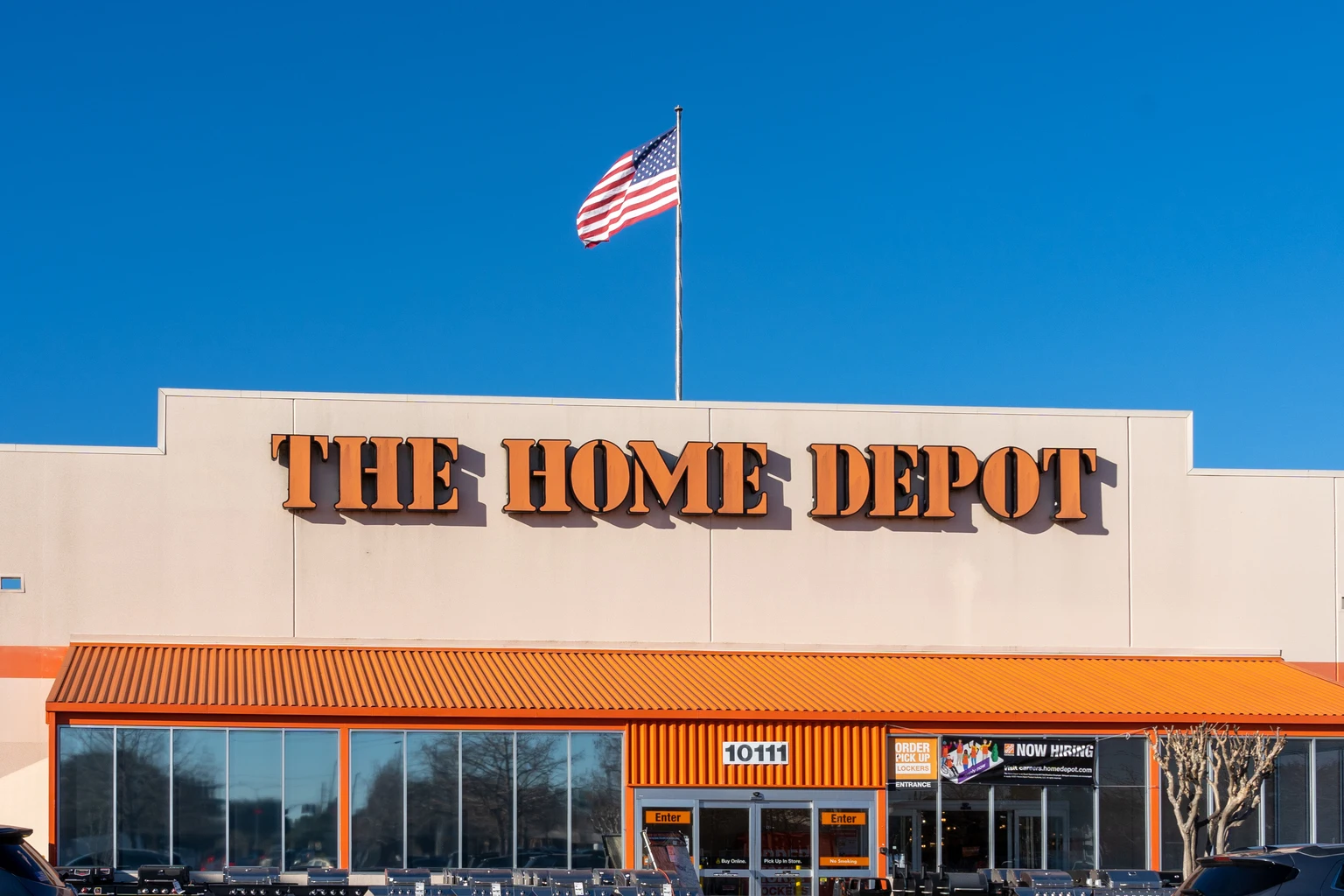
Agree Realty: Buy The 4.2% Yield Paid Monthly And Hold Forever
Agree Realty recently hiked its monthly paid dividend and now offers a 4.2% dividend yield that's 140% covered by AFFO. The REIT is set to invest roughly $1.5 billion to $1.65 billion across net lease retail properties, with its portfolio 99.7% leased as of the end of the third quarter. ADC received an "A-" credit rating from Fitch Ratings in August and faces no debt maturing until 2027, when just $50 million comes due for repayment.

Agree Realty Corporation (ADC) Q3 2025 Earnings Call Transcript
Agree Realty Corporation (NYSE:ADC ) Q3 2025 Earnings Call October 22, 2025 9:00 AM EDT Company Participants Reuben Treatman - Senior Director of Corporate Finance Joey Agree - President, CEO & Director Peter Coughenour - CFO, Secretary & Investor Relations Professional Conference Call Participants Nicholas Joseph - Citigroup Inc., Research Division Michael Goldsmith - UBS Investment Bank, Research Division Jana Galan - BofA Securities, Research Division James Kammert - Evercore ISI Institutional Equities, Research Division Linda Yu Tsai - Jefferies LLC, Research Division Omotayo Okusanya - Deutsche Bank AG, Research Division William John Kilichowski - Wells Fargo Securities, LLC, Research Division Robert Stevenson - Janney Montgomery Scott LLC, Research Division Spenser Allaway - Green Street Advisors, LLC, Research Division Upal Rana - KeyBanc Capital Markets Inc., Research Division Eric Borden - BMO Capital Markets Equity Research Brad Heffern - RBC Capital Markets, Research Division Wesley Golladay - Robert W. Baird & Co. Incorporated, Research Division R.J.

Agree Realty (ADC) Q3 Earnings: Taking a Look at Key Metrics Versus Estimates
The headline numbers for Agree Realty (ADC) give insight into how the company performed in the quarter ended September 2025, but it may be worthwhile to compare some of its key metrics to Wall Street estimates and the year-ago actuals.

Agree Realty (ADC) Surpasses Q3 FFO and Revenue Estimates
Agree Realty (ADC) came out with quarterly funds from operations (FFO) of $1.1 per share, beating the Zacks Consensus Estimate of $1.08 per share. This compares to FFO of $1.03 per share a year ago.

Agree Realty: Quality Becomes More Relevant
ADC stands out for its superior credit quality, conservative balance sheet, and high proportion of investment-grade tenants in the net lease sector. Despite sector turmoil and rising concerns over credit quality, ADC's focus on stable, publicly traded tenants sets it apart from peers like EPRT and GOOD. ADC's valuation remains a concern for forward returns, but its disciplined management and predictable cash flow provide insulation from broader credit market risks.

2 Potentially Overhyped REITs With Red Flags
Not all REITs are worth buying. Many property sectors are facing growing headwinds. I highlight 2 popular REITs to avoid.

5 Dividend Stocks I Can't Wait To Buy In October (Plus Macro Update)
The US stock market is highly concentrated, with technology and tech-related stocks now comprising about 55% of total market cap. This concentration justifies higher valuation multiples for SPY, as tech companies have stronger margins and more stable earnings than defensive sectors. There is a stark divergence in performance between speculative tech ETFs like ARKK and CHAT versus defensive dividend ETFs such as SCHD and VNQ.
Why Over 40% Of My Dividend Portfolio Is In This One Sector
The article highlights the divide between affluent and paycheck-to-paycheck American consumers, emphasizing that affluent spending drives economic resilience. AI-related stocks are powering market gains, while non-AI tech and value stocks lag, masking underlying disparities in market performance. Over 40% of my dividend growth portfolio is in a single sector, justified by fading headwinds from interest rates and new supply, and improving sector fundamentals.
REITs Could Have Some Of Their Best Years Ahead: Two Value Plays I Like That May See Strong Upside
REITs are poised to outperform in the coming years as interest rates are expected to decline, reversing recent underperformance. NNN REIT offers an attractive entry point with a strong yield, conservative payout, and potential price appreciation as headwinds subside. Alexandria Real Estate Equities is fundamentally sound despite recent price drops, offering a high yield and significant upside if rates fall.




