



Aeva Technologies, Inc. (AEVA)




Aeva Technologies, Inc. (AEVA) Reports Q1 Loss, Beats Revenue Estimates
Aeva Technologies, Inc. (AEVA) came out with a quarterly loss of $0.41 per share versus the Zacks Consensus Estimate of a loss of $0.44. This compares to a loss of $0.45 per share a year ago.
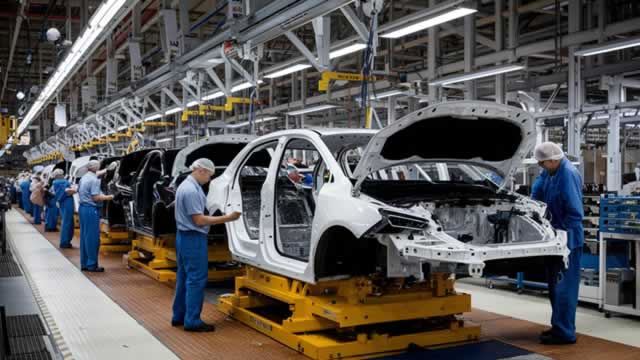
Aeva Stock Pops 155% in a Year: Should You Buy, Sell or Retain?
Aeva shares are up 155% in a year on FMCW LiDAR momentum, a major European OEM win and rising 2026 revenue guidance.

AEVA's CityOS Turns Traffic Smart With AI and LiDAR Tech
AEVA launches CityOS, an AI traffic platform using LiDAR and NVIDIA edge computing to deliver real-time insights for safer, smarter urban mobility.

Aeva Technologies, Inc. (AEVA) Q4 2025 Earnings Call Transcript
Aeva Technologies, Inc. (AEVA) Q4 2025 Earnings Call Transcript

Aeva Technologies, Inc. (AEVA) Reports Q4 Loss, Beats Revenue Estimates
Aeva Technologies, Inc. (AEVA) came out with a quarterly loss of $0.4 per share versus the Zacks Consensus Estimate of a loss of $0.44. This compares to a loss of $0.49 per share a year ago.

Aeva Brings 4D LiDAR to NVIDIA's Autonomous Driving Platform
AEVA partners with NVIDIA to bring FMCW 4D LiDAR to DRIVE Hyperion, boosting perception for Level 3 and 4 autonomous vehicles.

Why AEVA 4D LiDAR Is Expanding Beyond Cars Into Physical AI
AEVA's 4D LiDAR tech steps beyond vehicles, powering real-time vision for robots, factories and smart infrastructure.

What AEVA's New Auto Contract Means for Its Growth Outlook
AEVA secures a Tier-1 deal with a major European automaker, positioning its 4D LiDAR as a global standard across models.
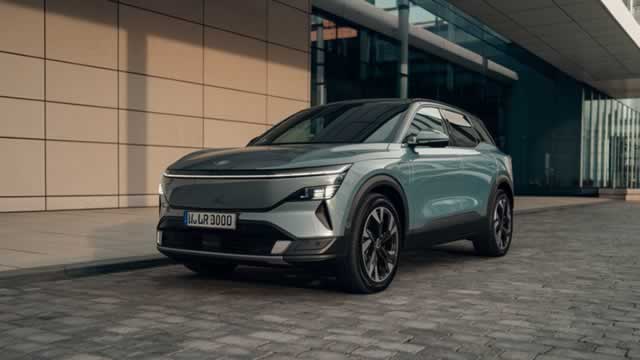
Aeva shares soar after deal with European automaker
Shares of Aeva Technologies , a Silicon Valley-based maker of lidar units that help autonomous vehicles sense their surroundings, rose more than 18% in midday trading on Wednesday after the company announced an exclusive deal to supply a European maker of passenger vehicles.

AEVA Targets Smart Cities With a Bold Traffic Tech Shift
AEVA teams with D2 to fuse 4D LiDAR and traffic expertise, aiming to deliver full smart-city systems.

AEVA's Daimler Collaboration Deepens as Production Nears
AEVA advances its 4D LiDAR work with Daimler Truck as prototype testing wraps and production targets move into focus.
Aeva Technologies' Real Turning Has Arrived, And It Could Change Everything
Aeva Technologies is transitioning from prototype revenue to industrial sales, driven by its differentiated FMCW LiDAR technology. The Q3FY25 results have made this transition even clearer. AEVA's growth hinges on Eve-1D industrial sensor commercialization, the Daimler Truck program, and a top-10 OEM contract, with potential for significant revenue expansion. Liquidity remains a concern, but recent funding from LG Innotek & Apollo Global Management alleviates near-term stress; margins are still negative, and scaling is unproven.




