



ASML Holding N.V. New York Registry Shares (ASML)











ASML: Shares Could Get Way Cheaper
I believe the post earnings selloff was an overreaction to tariff uncertainty, and I anticipate further volatility with sector specific semiconductor tariffs due next week. That said, I estimate a realistic 10% tariff on US imports will be imposed and fully passed on to customers, limiting ASML's margin hit. I expect High‑NA EUV adoption to lift margins by 2027–28. Mass production of NXE:5200 tools remains several years away.

Applied Materials Vs. ASML: The Ideal Pick During This Cyclical Downturn
This article pits two of the most important semiconductor FAB names against one another to determine which is the better value. Both AMAT and ASML are down -40+% from their all-time highs. Both have outstanding balance sheets, with the entire semi-FAB space as their TAM.
ASML: Time To Buy Is Now, Or Regret Later
ASML's Q1 earnings nearly doubled, with sales of €7.7 billion and gross margins of 54%, beating expectations despite a drop in stock price. The company maintains its 2025 guidance with projected sales of €30-€35 billion and margins of 51%-53%, indicating strong future growth. Risks include trade turmoil and tariffs impacting chip demand, particularly from China, but ASML's market dominance and advanced technology remain strong.
ASML: A Long Term Worry Or Short Term Blip? (Rating Upgrade)
ASML Holding N.V.'s Q1 earnings showed a miss on sales and weak FY2025 guidance, causing a market selloff despite overall positive results. Net bookings were significantly below estimates due to market uncertainties, including trade wars and potential global recession impacts. Despite short-term uncertainties, ASML's long-term outlook remains strong with a 2030 revenue guide of EUR 44B - EUR 60B, suggesting significant upside potential.
ASML Holding: Time To Buy Before The Market Rebounds
The US-China trade tensions and export restrictions are significantly impacting the semiconductor industry. ASML's diversified business model and market dominance position it well to benefit from ongoing AI and semiconductor investments. ASML's long-term growth prospects remain strong, supported by its High-NA systems and pricing power.
Why ASML Stock Sank Today
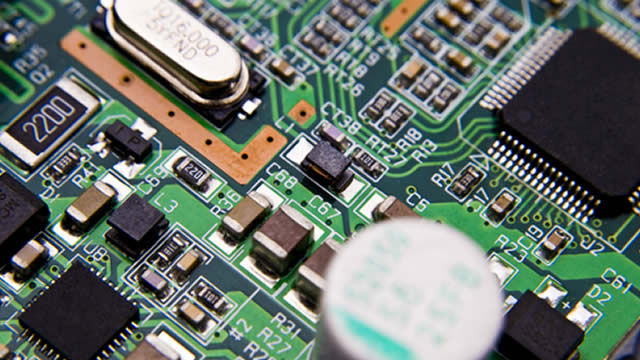
ASML (ASML -6.96%) stock saw a big valuation pullback in Wednesday's trading. The company's share price fell 7% in the day's trading, and had been down as much as 8.6% earlier in the session.

ASML Q1 Results: Selloff Is Overdone, It's Time To Buy
ASML Holding N.V. reported strong Q1 earnings, beating profit estimates, yet shares dropped over 5%, making the stock attractively priced for long-term investors. The company benefits from robust semiconductor and AI chip demand, with strong pricing power and improving gross margins, particularly in the EUV lithography space. Despite missing revenue estimates slightly, ASML reaffirmed its full-year guidance, indicating confidence in its market position and future performance.

ASML Holding N.V. (ASML) Q1 2025 Earnings Call Transcript
ASML Holding N.V. (NASDAQ:ASML ) Q1 2025 Earnings Conference Call April 16, 2025 9:00 AM ET Company Participants Jim Kavanagh - VP, IR Christophe Fouquet - President & CEO Roger Dassen - EVP & CFO Conference Call Participants Francois-Xavier Bouvignies - UBS Krish Sankar - TD Cowen Joe Quatrochi - Wells Fargo Didier Scemama - Bank of America Alexander Duval - Goldman Sachs Chris Caso - Wolfe Research Mehdi Hosseini - Susquehanna Tammy Qiu - Berenberg Timm Schulze-Melander - Redburn Atlantic C.J.
ASML Is Quietly Preparing For A Post-Tariff Boom, Are You? - Buy Call
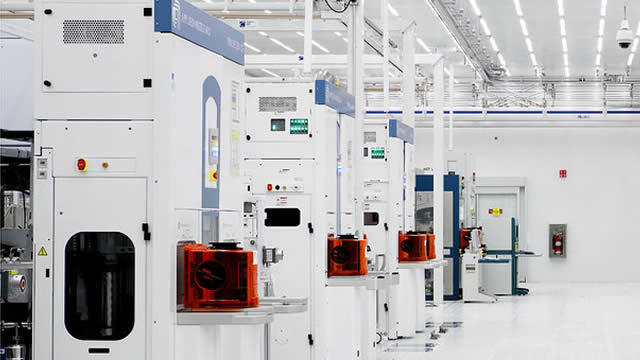
ASML Holding N.V. missed Wall Street expectations with €3.9 billion in revenue, a 16.4% drop, mainly due to reduced China sales amid geopolitical tensions. Despite this, ASML maintains a positive outlook for 2025, expecting €30B to €35B, signaling even with tariff panic the full year should be in the clear. The current stock drop presents a buying opportunity, as the demand for EUV technology remains strong and will increase into next year, in my opinion.

ASML Stock Claimed by Tariff Uncertainty
The semiconductor sector is swimming in red ink today, and ASML Holding NV (NASDAQ:ASML) is one of the primary culprits.

ASML Earnings Weigh on A.I. Supply Chain, TSLA Cybercab Shakeup
The A.I. trade not only took a hit hit from Nvidia (NVDA), but also ASML Holding (ASML). The Netherlands-based company disappointed in its earnings and blamed President Trump for tariff uncertainty affecting guidance.
ASML slips on rejigged guidance, but full-year targets retained
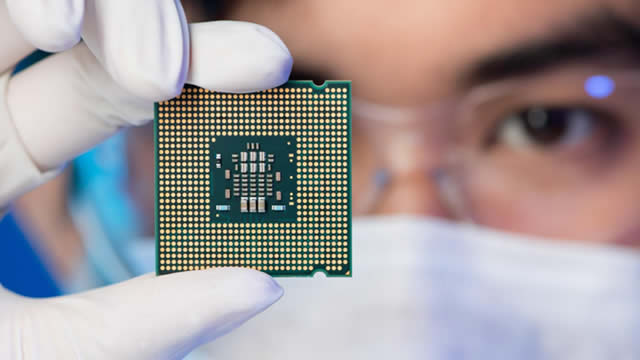
ASML Holding NV (NASDAQ:ASML, ETR:ASME) shares fell around 4% in Amsterdam and in New York premarket trading after the Dutch semiconductor equipment giant reported first quarter sales in line with expectations but a lower outlook than analysts were forecasting. CEO Christophe Fouquet said conversations with customers so far support expectations that 2025 and 2026 will be growth years, though recent tariff announcements "have increased uncertainty in the macro environment and the situation will remain dynamic for a while".




