



Boeing Company (BA)














Boeing's Secret Weapon Isn't on the Factory Floor -- It's in the Boardroom
Boeing's board now has more directors with deep aviation experience. The board's expertise is positioned as a key asset for Boeing's future.

Here is What to Know Beyond Why The Boeing Company (BA) is a Trending Stock
Zacks.com users have recently been watching Boeing (BA) quite a bit. Thus, it is worth knowing the facts that could determine the stock's prospects.

Archer Aviation: Boeing Is The Game Changer
Archer Aviation is transforming from a pure air taxi play into a diversified aerospace business with significant defense and drone exposure. Boeing's acquisition of nearly 20% of ACHR via stock and warrants signals strong strategic alignment and confidence in Archer's long-term prospects. Insitu's addition is expected to contribute over $200 million in annual revenue, supporting ACHR's cash burn and accelerating its path to commercialization.

4 Reasons Boeing Stock Is Struggling Despite the Company's Progress
Boeing's jet deliveries are rising, but high oil prices, defense-sector concerns, a 737 MAX glitch, and pending regulatory approvals are weighing on its stock.

Wall Street Analysts Think Boeing (BA) Is a Good Investment: Is It?
The recommendations of Wall Street analysts are often relied on by investors when deciding whether to buy, sell, or hold a stock. Media reports about these brokerage-firm-employed (or sell-side) analysts changing their ratings often affect a stock's price.

Can Rising IRST Demand Support Boeing's Defense Growth Outlook?
BA could benefit from rising IRST demand as U.S. and allied forces invest in passive sensing to improve threat detection and situational awareness.
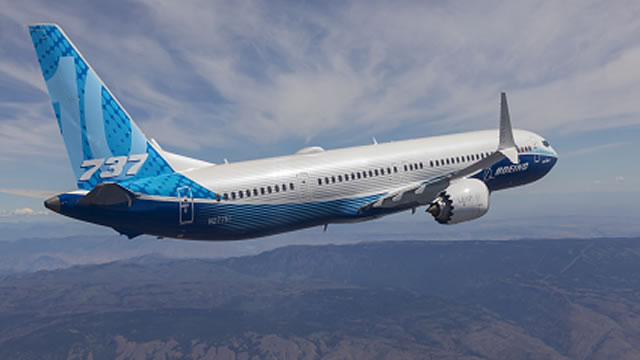
Boeing Down 10.6% in a Month: Is This an Indication to Sell the Stock?
BA faces debt, production delays and poor ROIC, but new defense contracts and debt reduction offer investors a mixed outlook.

Why Invest in Defense? The Case for Targeted Exposure
Broadly speaking, when advisors and investors consider adding focused industry exposure to a portfolio, there needs to be a strong justification for doing so. Take the AI industry, for example, where sustained buildout has driven many to target key tech players for exposure.
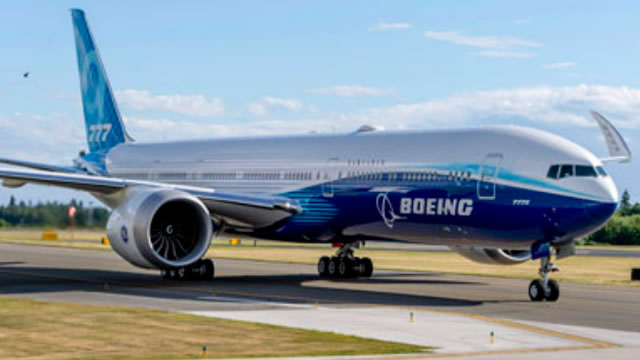
Boeing (BA) Stock Dips While Market Gains: Key Facts
Boeing (BA) closed at $189.82 in the latest trading session, marking a -1.5% move from the prior day.

Boeing's Turnaround Week: A Fighter Jet Win, a $14.7 Billion Missile Deal and an FAA All-Clear
Boeing just landed a Navy fighter contract, a multibillion-dollar missile deal, and an FAA all-clear in a single week, yet analysts still see the stock trading at a 40-plus percent discount to where they think it belongs.

Boeing F/A-XX Win: A Surprise Blow For Northrop
Boeing secured the $20B Navy sixth-generation fighter jet contract, consolidating both NGAD fighter programs after winning the Air Force F-47 award. BA's selection leverages shared technology, production investments, and existing carrier-based and drone capabilities, but introduces significant cost and schedule risk. Short-term cost savings and industrial base concerns drove the decision, yet BA's recent history of overruns and delays heightens execution risk for both programs.

Boeing white-collar workers approve latest contract offer, averting strike fears
Boeing's largest white-collar union said on Thursday its members approved a sweetened contract offer, easing fears of a strike that could have stalled work on two long-delayed jetliners and slowed the pace of aircraft deliveries.




