





Oil Price Analysis: Crude Drops Amid Russian Supply Talks and War Uncertainty
Oil markets remain volatile as the U.S.–Iran conflict, Middle East supply risks, and potential easing of Russian oil sanctions continue to shift global supply expectations.
Oil plunges 10% as Trump says Iran will be hit 'twenty times harder' if it stops oil flows via Hormuz
Oil prices plunged 10% after U.S. President Donald Trump warned Iran against blocking the Strait of Hormuz. Earlier on Monday Trump signaled the conflict with Iran could soon end.
Oil falls over 6% as Trump predicts Middle East de-escalation
Oil prices fell on Tuesday after hitting their highest level in more than three years in the prior session as U.S. President Donald Trump predicted the war in the Middle East could end soon, easing concerns about prolonged disruptions to global oil supplies.
Oil Futures Fall Amid Developments That Could Help Supply
Oil futures fell in early Asian trade amid developments that could ease pressure on supply.
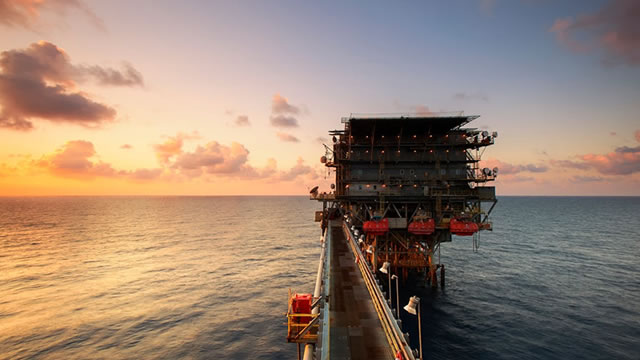
Trump announces sanctions relief to ease oil prices, says Iran war to end ‘very soon'
President Donald Trump said the U.S. is waiving oil-related sanctions on certain countries in an effort to ease crude prices, as he estimated the war with Iran would end “very soon.”
This isn't over 'not by a long way', says Paul Sankey on disruption in oil market
Paul Sankey, Sankey Research, joins 'Fast Money' to talk the rebound in oil prices, why he thinks disruptions in the Middle East are far from over, and much more.
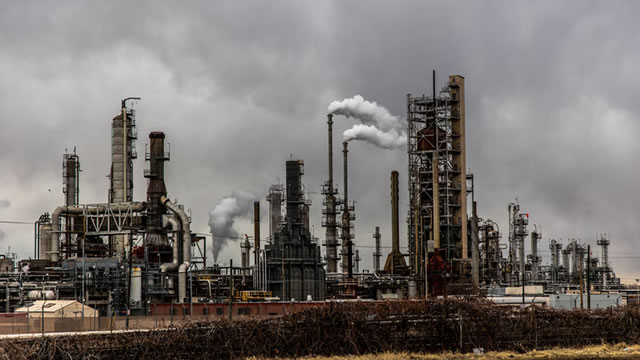
Monday's Final Takeaways: Chips Rally & Crude Oil Flips Negative
A volatile start to the trading week began with crude oil above $100 before ending the session below $90. Alex Coffey and Sam Vadas explain what happened and why it's a stunning reversal for investors.
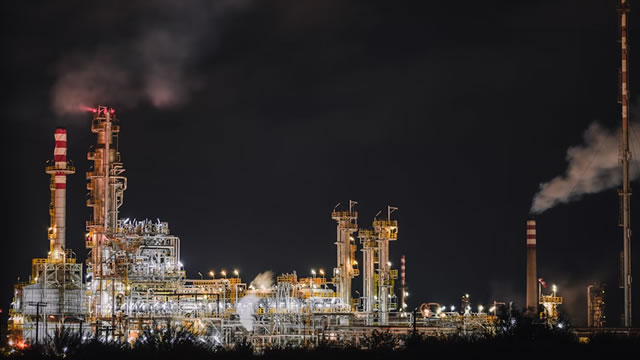
US considering selling oil from strategic reserve, US energy chief says
U.S. Energy Secretary Chris Wright said on Monday that the U.S. is considering coordinating sales of oil from the U.S. Strategic Petroleum Reserve with releases from other countries as prices soar during the war on Iran.
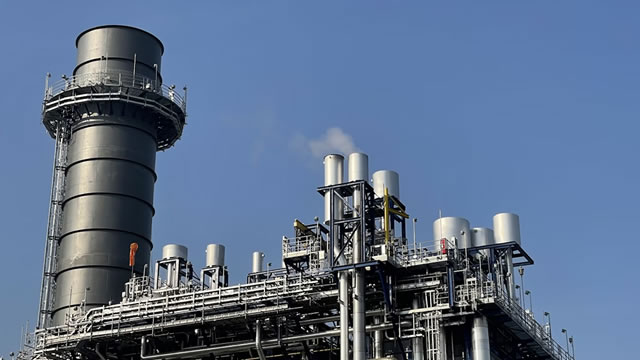
50 years of oil-price shocks have taught us that only 2 things matter to markets right now
Virtually every major asset class has been stung by volatility over the past week as the combined U.S. and Israeli assault on Iran caused one of the most rapid spikes in crude-oil prices on record.
Oil Swings Back Below $100 After Historic Whipsaw Sent Price To 4-Year High
GasBuddy logged the national average price for a gallon of gas at $3.48 on Monday, a dramatic increase poised to rise within the next month.
Fears of 1970s-style stagflation arise with oil spike to $100. How big a threat is it?
With oil spiking to $100 a barrel and the job market essentially paralyzed, the threat of stagflation again is looming over the U.S. economy and financial markets. High inflation and slow growth present a double threat, as stimulative measures such as interest rate cuts and government spending only aggravate inflation.

G7 energy ministers to meet Tuesday morning to discuss release of oil reserves, sources say
Energy ministers from the Group of Seven nations will hold a virtual meeting Tuesday morning to discuss a potential release of oil reserves. The U.S. believes a joint release of 300 million to 400 million barrels would be appropriate, a source told CNBC.




