






Stagflation? $150 oil? Not all 401(k)s are losing money.
The problem with crises like this is that stocks and bonds can both fail.

Here's how the oil-price surge might be reversed
Also in Weekend Reads: A reversing stock-market trade, tales for tax time and what to stream this month (and which streamers to cancel).

Week Ahead for FX, Bonds: Middle East Developments, Oil Prices in Focus; U.S. Inflation Due
All eyes will be on developments in the Middle East after the U.S. and Israel launched attacks on Iran and the conflict spread to various countries across the region.

How High Could Oil Prices Go If the Conflict with Iran Continues?
Could oil prices spike over $200 a barrel if the Middle East conflict continues to escalate? On this episode of the Everybody's Business podcast, Bloomberg Opinion's Javier Blas joins Stacey Vanek Smith and Max Chafkin to discuss whether a continued conflict with Iran will send oil prices soaring to crisis levels, causing an economic shock on a global scale.

Saudi led OPEC oil output jump ahead of Iran strikes, Reuters survey finds
Saudi Arabia led a big increase in OPEC oil output in the month ahead of U.S. and Israeli strikes on Iran, a Reuters survey showed on Friday.
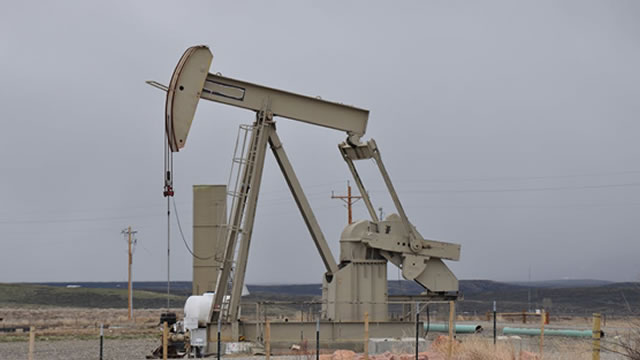
Jobs Miss and Oil Spike Signal Stagflation Risk for U.S. Economy
February nonfarm payrolls fell 92,000, missing the 58,000 forecast badly. With oil soaring and jobs weakening, the Fed's dual mandate is now at risk.

Kuwait Cuts Oil Production as Storage Fills Up
The cuts signal a broader storage crisis that poses new risks to the global market.

Oil Prices Will Dictate When This War Ends
Equity, bond, and commodity markets are under pressure as oil prices surge amid escalating geopolitical conflict. The S&P 500 is exhibiting a near-perfect inverse correlation with oil; further oil price increases likely drive equities lower.
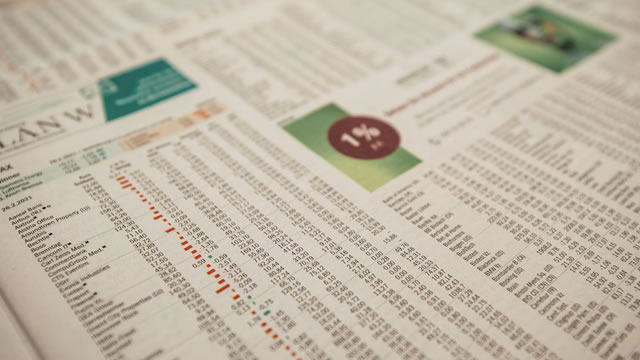
$200 Oil And A Ruined US Economy
Forecasts that oil will hit $100 barrel happen regularly now because of the war in the Middle East and the shuttering of the Strait of Hormuz through which 20% of the world's oil flows by ship.
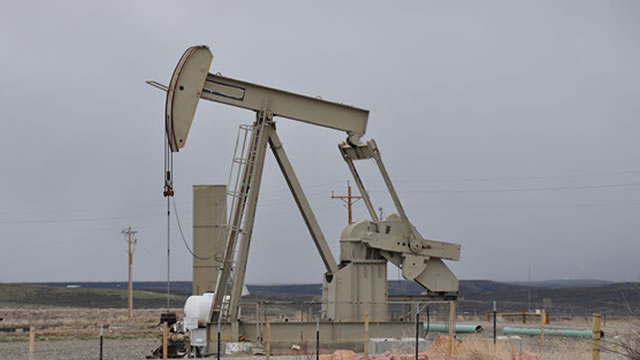
Oil rally resumes after brief dip in prices as Brent tops $87 a barrel
Oil prices rose on Friday morning after oscillating overnight.
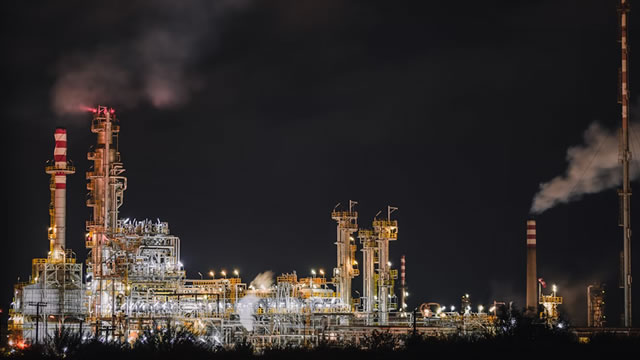
Oil at 20-month high as Qatar minister warns of halt to energy shipments
Oil futures traded at their highest levels since the summer of 2024 on Friday as the war against Iran entered a seventh day with no sign of it ending anytime soon.

Trump officials ruling out Treasury oil futures trades for now, Bloomberg News reports
The Trump administration is ruling out deploying the Treasury Department to trade oil futures for now, Bloomberg News reported on Friday, citing a person familiar with the matter.




