






Oil Edges Lower; May be Supported by Iran Tensions
Oil edged lower in the morning Asian session, but may be supported by Iran tensions that could lead to supply disruptions.

Hungary's MOL offered up to 1 billion euros for Serbia's NIS oil firm, Vucic says
Hungary's MOL agreed to pay up to 1 billion euros ($1.19 billion) to buy a majority stake in Serbia's oil firm NIS from its Russian owners, Serbian President Aleksandar Vucic said on Monday.
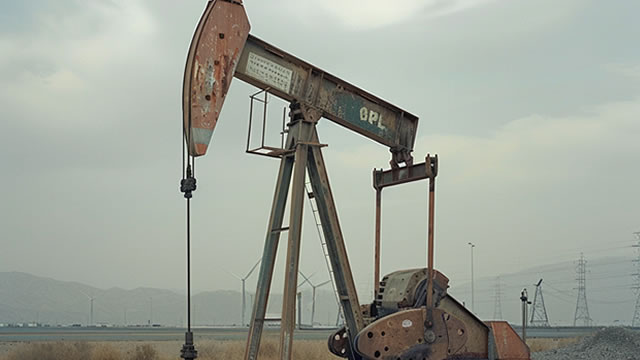
OPEC+ likely to maintain oil production pause for March as prices climb, sources say
OPEC+ is expected to keep its pause on oil output increases for March at a meeting on Sunday, three OPEC+ delegates told Reuters, with prices rising due to a drop in Kazakhstan's oil production.

US oil capital Houston buzzes as industry limbers up for Venezuela oil rush
In a downtown Houston bar, Matthew Goitia, a director at Pelorus Terminals, lays out his early idea to refurbish and build marine terminals that can blend and export crude and ship chemical products in Venezuela.

Natural Gas and Oil Forecast: Are $7 Gas and $65 Brent Back in Play?
Natural gas breaks $6.25 as oil holds near $61, with traders eyeing $7 gas and $65 Brent amid geopolitical risk and bullish technical signals.
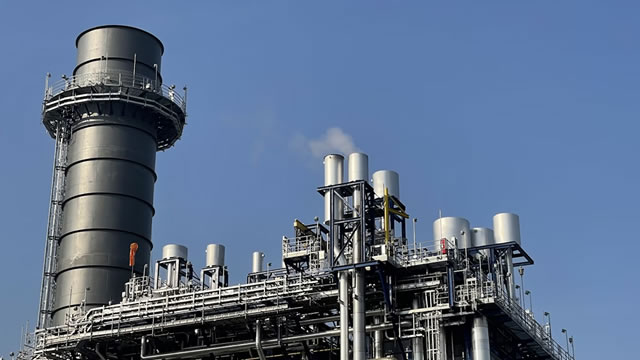
Russia's fuel oil exports to Asia slow in early 2026 as sanctions hamper trade
Russian fuel oil exports to Asia slowed in early 2026 as rising scrutiny due to tighter Western sanctions hampered trade while Ukrainian drone attacks on refining facilities in Russia reduced output, according to shipping data and industry sources.
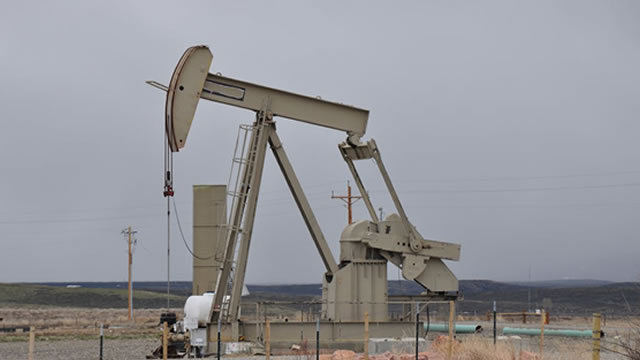
Oil holds onto gains as Iran keeps investors on edge
Oil prices extended gains on Monday after climbing more than 2% in the previous session, as tensions between the U.S. and Iran kept investors on edge even after Kazakhstan's main export pipeline resumed full operations.

South Korea's S-Oil says Q1 refining margins to remain robust on steady demand
South Korea's S-Oil , whose main shareholder is Saudi Aramco , on Monday said it expects first-quarter refining margins to remain robust due to steady demand, supply disruption and the planned closure of a U.S. refinery.
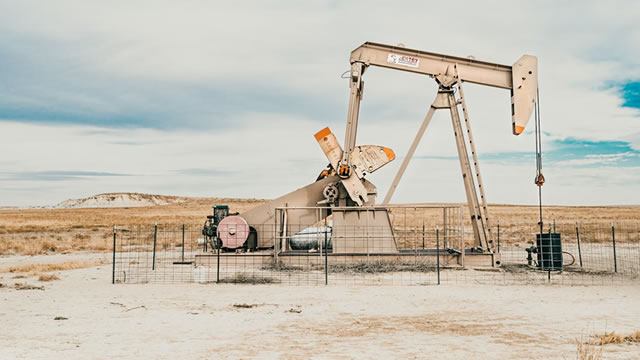
Oil Falls on Possible Technical Correction
Oil fell in the early morning Asian session on a possible technical correction after WTI and Brent settled 2.9% and 2.8% higher, respectively, on Friday.

Tanker carrying Venezuelan heavy oil departs to Louisiana, shipping data shows
A crude tanker chartered by Trafigura departed on Sunday from Venezuela's Jose port to Louisiana Offshore Oil Port (LOOP), LSEG data and documents showed, the first cargo going directly to the U.S. as part of a 50-million-barrel supply deal agreed this month between Caracas and Washington.

Oil News: Iran Supply Risk Could Drive Crude Oil Futures Rally Next Week
Iran supply risk escalates as U.S. sends warships and sanctions target oil exports. Crude oil futures break key average, signaling extended rally ahead.

US seeks quick repairs to lift Venezuela oil output, Bloomberg News reports
The United States is in talks with Chevron , other crude producers, and major oilfield service providers about a plan to quickly raise Venezuela's crude production, Bloomberg News reported on Saturday citing senior administration officials.




