






Eni: Demand Side Dampens Oil Outlook
Eni S.p.A. is undervalued with an EV/EBIT of 2.3x for E&P and traditional oil businesses, significantly below peers, indicating a potential relative value play. Investments in Enilive and Plenitude are valued at around 10 billion EUR each, with recent precedents leading to the compressed valuation. We see general risks of supply in renewable fuels due to low conversion costs, and the commodity outlook across the board for Eni's businesses, including Plenitude, is grim.
Lebanon's Economy Minister on Tariffs, Oil Prices, Economic Recovery, IMF Talks
Lebanon's Economy Minister Amer Bisat discusses the impact of US President Donald Trump's tariffs and lower oil prices amid efforts to rebuild the economy. Lebanon adopted a draft law on restructuring its banking sector in a bid to unlock international aid to help it emerge from an economic crisis it has suffered since 2019, made worse by the Covid-19 pandemic, a port explosion and the war in Ukraine.
Natural Gas and Oil Forecast: Tariff Relief and OPEC Supply Shape Near-Term Bias
Energy prices stabilize as OPEC supply plans and easing geopolitical risks reshape forecasts; $61.30 WTI and $3.48 gas levels remain critical.
Like defense, Goldman says ESG investors should bring oil and gas stocks in from the cold
Investments focused on environmental, social and governance (ESG) factors tend to favor companies that score highly on certain criteria, such as climate change or corporate transparency. Tobacco giants, fossil fuel companies and weapons makers have typically been among those to have been excluded from sustainable portfolios.

China's crude oil imports highest since August 2023 on Iranian surge
China's crude oil imports in March rebounded sharply from the previous two months and were up nearly 5% from a year earlier, data showed on Monday, boosted by a surge in Iranian oil and a rebound in Russian oil deliveries.

Goldman Sachs expects oil prices to decline through 2026
Goldman Sachs expects oil prices to decline through the end of this year and next year because of the rising risk of a recession and higher supply from the OPEC+ group.
Oil prices flat as US-China trade war weighs on global growth outlook
Oil prices were flat in early trade on Monday on concerns the escalating trade war between the United States and China would weaken global economic growth and dent fuel demand.
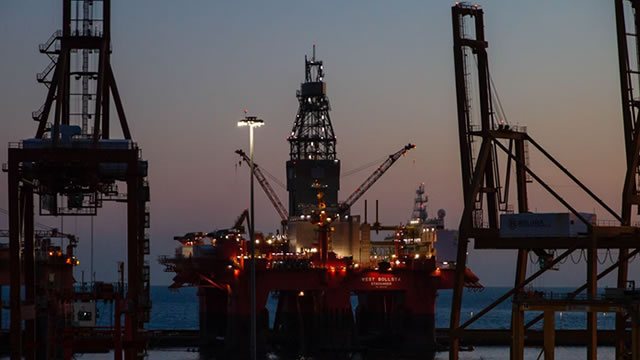
Oil Declines Amid Uncertainty Over U.S. Tariff Policy
Oil declined in the early Asian session. “In the short term, policy announcements will probably be the primary driver of commodity prices, Capital Economics said.
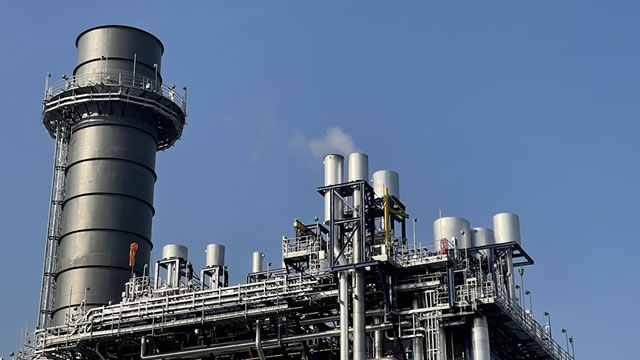
Oil News: Iran Sanctions Threaten Supply While Geopolitical Tensions Build
Crude oil outlook remains mixed as Iran sanctions threaten supply while tariffs hit demand, keeping futures stuck in a tight range.
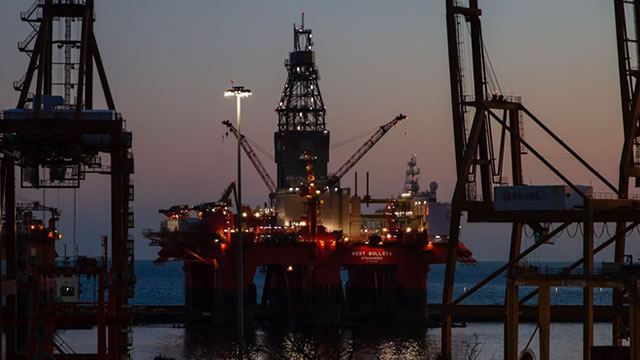
Oil Prices: Goldman Warns Saudi Arabia Faces $67 Billion Deficit
The oil-price crash is set to have far-reaching consequences for Saudi Arabia's finances and vast economic ambitions. The kingdom's budget deficit may soar to $67 billion this year, according to projections shared by Goldman Sachs.

Natural Gas and Oil Forecast: Will OPEC+ Talks Trigger New Volatility in May?
Crude oil and natural gas prices dip as demand forecasts weaken. All eyes now turn to the May 5 OPEC+ meeting for possible market-moving policy shifts.

Oil producers seek to shore up finances amid crude price plunge
Oil-dependent governments are coming under pressure from the lowest crude prices since the COVID-19 pandemic, with officials preparing policy responses for a drop in revenue such as issuing more debt and reducing spending.




