



United States Brent Oil Fund, LP (BNO)
 ARCA ARCA Primary


Oil prices rise on Israel-Iran conflict fears and U.S. storm
Oil prices rose in early Asian trade on Thursday on concerns about potential supply disruptions in the Middle East, with Israel planning to strike oil-producer Iran, and on spikes in fuel demand as a major storm barreled into Florida.
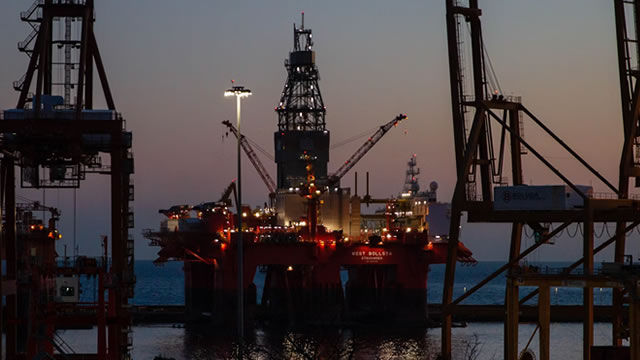
Oil Rises, Supported by Middle East Tensions
Oil rose in early Asian trade. Prices remain supported by rising Middle East tensions.

U.S. Crude Oil Stockpiles Rise More Than Expected
Inventories rose for a second consecutive week as production picked up and refineries reduced their capacity use, the EIA said.
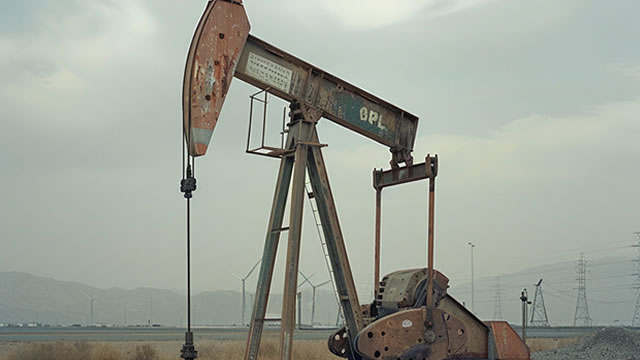
Crude Oil Price Forecast – Crude Oil Continues to See Pressures
The crude oil market has fallen significantly over the last day or two, as the market will continue to see a lot of questions asked about the global demand picture, as well as the geopolitics, which is always an important thing to keep in the back of your mind.

Top Kazakh oil field hits record output amid tensions with OPEC+, sources say
Kazakhstan's biggest oil field Tengiz, operated by U.S. major Chevron , boosted output to a record high in October, sources told Reuters, potentially complicating the country's future efforts to comply with its OPEC+ quota.

US stock markets rebounded, led by a tech rally and falling oil prices
On Tuesday, the US stock market rallied after a plunge of more than 1% the previous day. The S&P 500 index rose by 0.97%, fueled by the "Magnificent 7" group led by AI giant Nvidia (NVDA, Financial, which surged 4%, reflecting broader optimism in the technology sector.

2025 will 'definitely' be a problematic year for oil, says OPIS' Tom Kloza
Tom Kloza, OPIS global head of energy analysis, joins 'Squawk Box' to discuss the state of the oil market, what of the recent fluctuations in oil prices, market outlook, and more.

U.S. crude oil drifts lower, trades below $74 per barrel after selloff
Goldman Sachs sees global benchmark Brent jumping as much as $20 if an Israeli strike disrupts Iranian crude oil production.

Oil prices extend retreat after industry data shows rise in U.S. crude inventories
Oil futures were lower Wednesday morning ahead of official data on U.S. inventories, extending a sharp pullback seen the previous session on prospects for a cease-fire between Israel and Hezbollah.

Oil News: Bearish Oil Outlook Emerges as EIA Cuts Demand and Price Forecasts
Crude oil futures dip as U.S. inventories surge 11M barrels, overshadowing Middle East risks and testing key $73.28 support level.
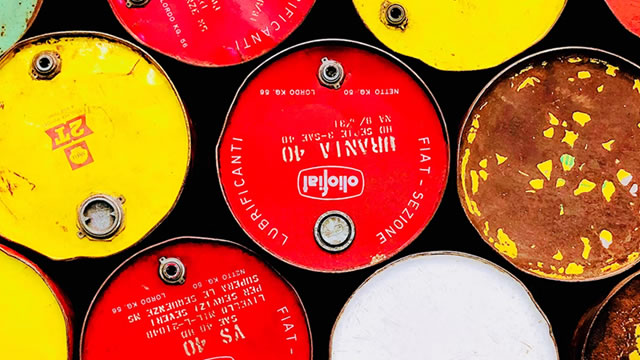
Israel-Iran Tension Puts Oil Market Risk at Highest Since 1970s: Analyst Says
Global oil supplies face the highest risk in decades amid conflicts involving key producers Iran and Russia, said veteran commodities analyst Jeff Currie. If Israel strikes Iranian oil facilities it could both disrupt exports and provoke regional retaliation by Tehran, he said.

Natural Gas and Oil Forecast: EIA Cuts Demand Outlook Amid Weak Industrial Growth
EIA lowers 2024 oil demand forecast due to weak U.S. and China growth. Geopolitical tensions and price volatility remain key concerns for energy markets.




