





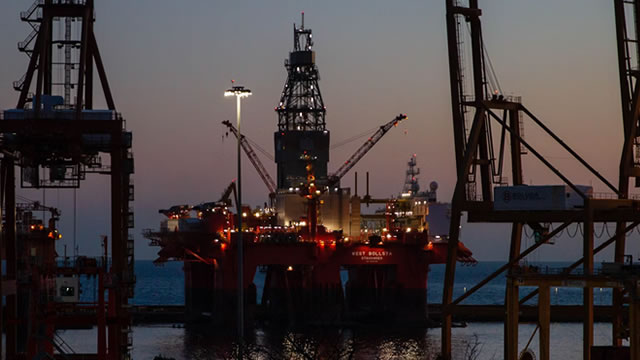
Oil Futures Rise on Likely Technical Recovery
Oil futures rose in early Asian trade on a likely technical recovery after futures settled overnight at their lowest level since March 4.
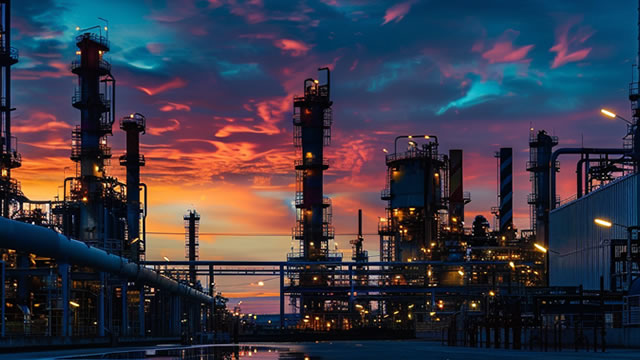
U.S. gasoline slips below $4 a gallon for first time since April
U.S. average retail gasoline prices dipped below $4 a gallon for the first time since mid-April, as optimism grew that a preliminary deal between the U.S. and Iran would lead to the reopening of the Strait of Hormuz, a critical passageway for global oil supplies.

The Iran deal came just in time as Strategic Petroleum Reserve hits lowest level since 1983
The U.S. Strategic Petroleum Reserve has fallen to the lowest level in more than 40 years, according to the Department of Energy. Oil executives have warned that global inventories are rapidly depleting due to the supply disruption triggered by the Iran war.

It could take years for oil prices to return to $67 a barrel. Here's why.
The U.S. and Iran have reached a tentative deal to extend their ceasefire by 60 days and reopen the Strait of Hormuz, but it will take an excess of global crude supplies and lower shipping costs for the market to see any semblance of normality.
Markets Are Cheering an End to the US War With Iran—But Some Big Questions Remain
Wall Street is cheering an end to the war in Iran. It may be a while before investors get an end to war-related uncertainty.

Stocks of oil in US Strategic Petroleum Reserve falls to lowest since 1983
Stocks of crude oil in the U.S. Strategic Petroleum Reserve fell to 340.3 million barrels, the lowest level since 1983, according to data from the Department of Energy.

Oil shock 'far from over' as analysts warn of new Middle East risk premium
Oil prices fell sharply on Monday as Iran and U.S. appeared poised to end their four-month war. Commodity strategists say oil price volatility will persist as energy markets grapple with a challenging recovery process.

Stock Futures Surge, Oil Prices Fall as US and Iran Reach Peace Deal
A strong start to the week could be in store for financial markets after the U.S. and Iran reached a peace deal over the weekend.
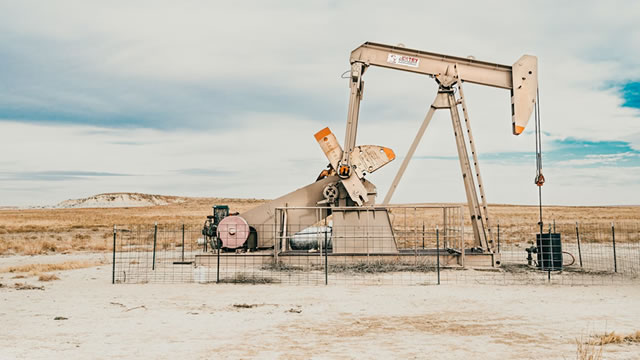
Oil Executives Are Sounding the Alarm Over Dwindling Stockpiles
The world is guzzling so much oil from commercial and strategic inventories that they risk falling below their minimum operating levels.

Bremt Futures May Fall to $80 per Barrel by Year-End if Strait of Hormuz Not Closed Again
Brent crude oil futures may fall to around $80 per barrel by year-end if Strait of Hormuz isn't closed again, CBA said.

Trump Says Iran Peace Deal ‘Complete'—Ends Strait Of Hormuz Blockade
The U.S. has reached a peace deal with Iran, both President Donald Trump and Pakistani mediators said Sunday evening, with the president also announcing in a post on Truth Social an end to the U.S. blockade of the Strait of Hormuz, saying “Let the oil flow!”
Trump says U.S. had reached peace deal with Iran
President Donald Trump said Sunday that the U.S. has agreed to a peace deal with Iran, ending months of hostilities that shut the Strait of Hormuz and sent the global economy into an oil shock.




