



Coinbase Global, Inc. (COIN)










Coinbase leads crypto stocks higher after Trump signals support for digital asset market structure bill
Coinbase jumped 12% on Wednesday following President Trump's latest call to help pass a law that would enable crypto firms to issue yield-bearing stablecoins.

Coinbase Global, Inc. (COIN) Presents at Morgan Stanley Technology, Media & Telecom Conference 2026 Transcript
Coinbase Global, Inc. (COIN) Presents at Morgan Stanley Technology, Media & Telecom Conference 2026 Transcript

Coinbase Global, Inc. (COIN) is Attracting Investor Attention: Here is What You Should Know
Zacks.com users have recently been watching Coinbase Global (COIN) quite a bit. Thus, it is worth knowing the facts that could determine the stock's prospects.

Coinbase Expands Into Stocks, Targets 'Everything Exchange'
COIN launches U.S. stock and ETF trading, deepens Yahoo Finance tie-up and pushes its vision to become an "everything exchange".
Coinbase Was Among the S&P 500's Biggest Gainers Wednesday. Here's Why.
One crypto giant just flipped the script and rolled out (wait for it) stock trading.
Coinbase Stock Is Down 27% But Analysts Still See a Turnaround Coming
A wildly popular cryptocurrency exchange, Coinbase (NASDAQ:COIN | COIN Price Prediction) shares jumped 16% on February 13 following the company's Q4 2025 earnings report, a rally that suggests investors may finally be looking past Coinbase's reputation as a pure bitcoin proxy.

Coinbase Pursues ‘Everything Exchange' Concept With US Stock Trading Debut
Coinbase now offers stock trading to everyone in the United States, allowing its users to trade stocks and exchange-traded funds (ETFs) alongside the crypto the platform already handled.

New Strong Sell Stocks for February 18th
COIN, NBIX and UPST have been added to the Zacks Rank #5 (Strong Sell) List on February 18th, 2026.

Is It Worth Investing in Coinbase Global (COIN) Based on Wall Street's Bullish Views?
The recommendations of Wall Street analysts are often relied on by investors when deciding whether to buy, sell, or hold a stock. Media reports about these brokerage-firm-employed (or sell-side) analysts changing their ratings often affect a stock's price.

Coinbase Global, Inc. (COIN) Is a Trending Stock: Facts to Know Before Betting on It
Coinbase Global (COIN) has received quite a bit of attention from Zacks.com users lately. Therefore, it is wise to be aware of the facts that can impact the stock's prospects.
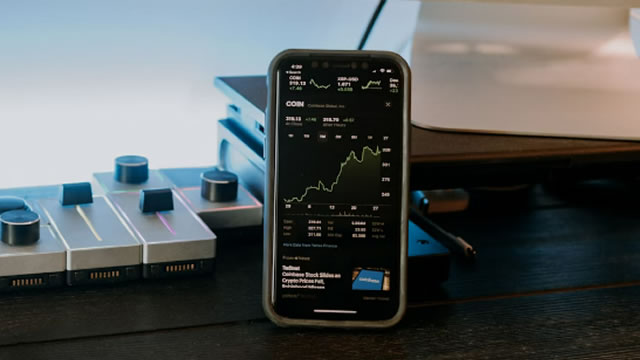
Coinbase: Take Advantage Of Extreme Fear To 'Buy'
Coinbase remains a compelling long-term "Buy" after a ~50% decline, supported by resilient institutional participation and cost discipline. COIN is executing well amid a tough crypto environment, laying groundwork for profitable expansion when market conditions improve. Institutional trading revenue grew 31% y/y to $185 million, helping stabilize COIN's business as retail trading wanes.
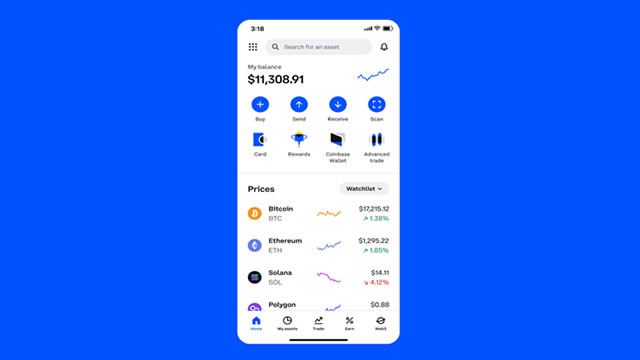
Coinbase Q4 Earnings & Revenues Miss Estimates on Higher Expenses
COIN's Q4 results reflect lower consumer transaction revenues and other transaction revenues, higher operating expenses and reduced adjusted EBITDA.




