



Global X DAX Germany ETF (DAX)
 NASDAQ (NMS) NASDAQ (NMS) Primary



Hidden Opportunities in International ETFs
Investors typically diversify global portfolios with broad international ETFs. But recent market volatility has caused investors to look more closely at various international opportunities.
Disruptive Theme of the Week: Europe Defying Low Expectations
While U.S. investors may be disappointed with this year's choppy first-quarter performance, European investors celebrate double-digit broad index returns. The Euro Stoxx 50 Index is Europe's blue-chip index covering 50 stocks from 11 Eurozone countries.
Bull vs Bear: Do Europe ETFs Need a Spot in Portfolios?
Bull vs. Bear is a weekly feature where the VettaFi writers' room takes opposite sides for a debate on controversial stocks, strategies, or market ideas — with plenty of discussion of ETF ideas to play either angle. For this edition of Bull vs.

Confidence in German economy surges as parliament approves huge spending plan
Investors welcome prospect of hundreds of billions of euros to be spent on infrastructure and defense
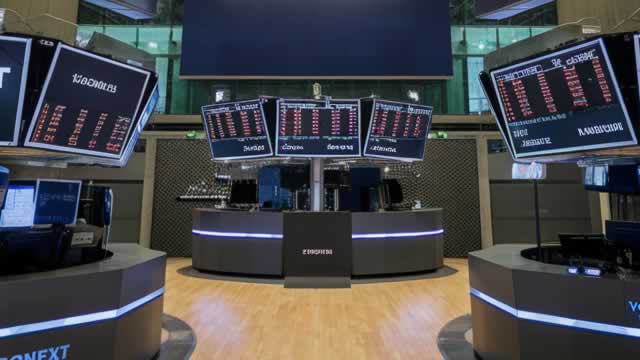
Nervous about European decoupling from U.S. on a sustained basis, says Rebecca Patterson
Rebecca Patterson, fmr. Bridgewater, joins 'Fast Money' to talk investing in domestic and European markets.

Dax Index News: Tariff Developments and German Fiscal Policy Drive DAX Sentiment
DAX slips as US tariff fears resurface, with auto stocks under pressure. US inflation data and Germany's fiscal plans to influence market sentiment.

DAX Index News: German Trade Data Eyed Amid Ongoing US Tariff Threats
Tariff threats and fiscal policy debates drive DAX uncertainty. German trade data and ECB moves take center stage as investors weigh key risks.
Why Germany? Why DAX?
The German economy benefits from the relative stability of the European Union, likely providing consistency from a governance, policy, and currency perspective. Germany's robust export sector has come under pressure in recent years. The Global X DAX Germany ETF is a passive product that provides access to the large and diverse German economy.

Europe ETFs Beating S&P 500 in 2025: Here's How
Europe ETFs have been outperforming the S&P 500 due to cheaper valuation, upbeat economic growth, less tech exposure, cooling inflation and a dovish ECB.
Dax Index News: US Tariffs Send DAX Futures Crashing 555 Points
The DAX remains bullish, but US tariffs and inflation uncertainty pose risks. Can rate cut hopes keep the rally alive?

Cooling Of German Labor Market Continues In September
The gradual cooling of the German labour market continues, providing further arguments for the European Central Bank doves to put an October rate cut back on the table. Recruitment plans in both industry and services have already fallen to the lowest level in a year.

Porsche AG shares rise to top of DAX, traders point to pre-close call
Shares in luxury carmaker Porsche AG are up 3.4% at the top of Frankfurt's blue-chip DAX index after traders points to positive brokerage comments following a call with investors prior to the start of the blackout period.




