



Dow Inc. (DOW)








3 Reasons Why This Unstoppable Dow Dividend King Can Deliver for Passive Income Investors in 2025
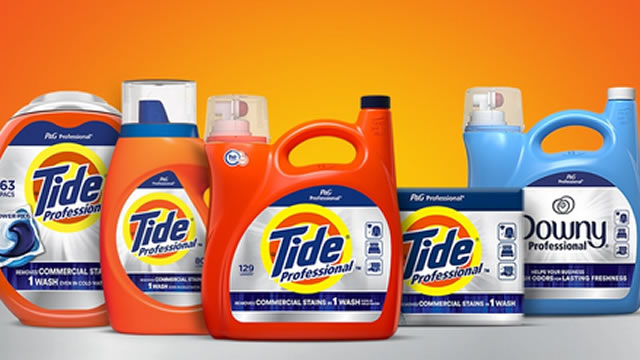
Procter & Gamble (PG -0.62%) gained 1.9% on Wednesday after reporting second-quarter fiscal 2025 results. However, the stock had been up even higher earlier in the session.

Is China Dragging Down This Dow Jones Dividend King Stock?
Procter & Gamble (PG -0.62%) is an ultra-reliable dividend-paying company. With a diverse and global portfolio spanning several daily use product categories and 68 years of consecutive dividend raises, P&G is a passive income powerhouse Dividend King that investors can rely on no matter what the company is doing.

These Were the 5 Worst-Performing Stocks in the Dow Jones Industrial Average in 2024
The Dow Jones Industrial Average (DJIA) is a group of 30 U.S. industry leaders. It's often looked at as a proxy for the market, since its components' performance is indicative of what's happening in the economy and the markets.

S&P 500 clinches first record close of 2025, Dow pops after Trump takes spotlight at Davos
To get the latest market news check out finance.yahoo.com US stocks closed in the green on Thursday with the S&P 500 (^GSPC) nabbing a fresh record close as investors stayed attuned to remarks from President Donald Trump, who addressed the World Economic Forum in Davos. The broad based index finished the trading day up over 0.5%, securing its first all-time closing high of 2025.

Verizon Sails to the Top of the Dow After Earnings Beat: What to Know
Verizon stock is the best Dow Jones stock Friday after the telecommunications giant beat estimates for its fourth quarter. Here's what you need to know.

NASDAQ, Dow Jones and S&P 500 Forecast – US Indices Might Pull Back
The US indices that I follow at FX Empire all look like they are a bit overdone, and at this point in time, it looks like we might get a bit of a pullback, in order to offer a bit of value.
S&P 500, Dow trade higher as investors digest Trump remarks at Davos
To get the latest market news check out finance.yahoo.com The S&P 500 (^GSPC) and the Dow Jones Industrial Average (^DJI) traded higher on Thursday following President Trump's remote comments at the World Economic Forum in Davos, Switzerland. The broad based index gained more than 0.1%, a stone's throw away from an intraday record.
Dow Jumps 250 Points; American Airlines Issues Weak Outlook
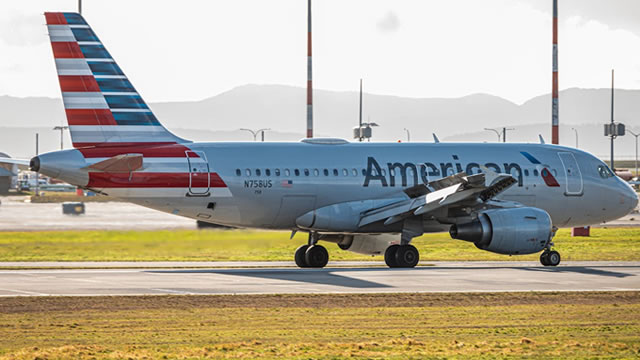
U.S. stocks traded mixed midway through trading, with the Dow Jones index gaining around 250 points on Thursday.

Initial Claims Higher-Than-Estimates
All major indexes began trading this early morning in the red, following three-straight up-days on the Dow, Nasdaq and S&P 500 (the small-cap Russell 2000 took a powder yesterday). But while the Dow has already crossed over into the green at this hour by +41 points, with the S&P close behind, the Nasdaq and Russell are sinking a tad lower.

Analysts Estimate Dow Inc. (DOW) to Report a Decline in Earnings: What to Look Out for
Dow Inc. (DOW) doesn't possess the right combination of the two key ingredients for a likely earnings beat in its upcoming report. Get prepared with the key expectations.

NASDAQ, Dow Jones and S&P 500 Forecast – US Indices Look to Pull Back
The US indices all look ready for a short-term pullback on Thursday, as the markets may have gotten a bit ahead of themselves. However, I think this is a market that is still very bullish, so this should be an opportunity.
Dow Earnings: Procter & Gamble, Johnson & Johnson
Blue-chip earnings reports continue to roll in , with results from Procter & Gamble Co (NYSE:PG) and Johnson & Johnson (NYSE:JNJ) on tap.




