



Elf Beauty Inc. (ELF)





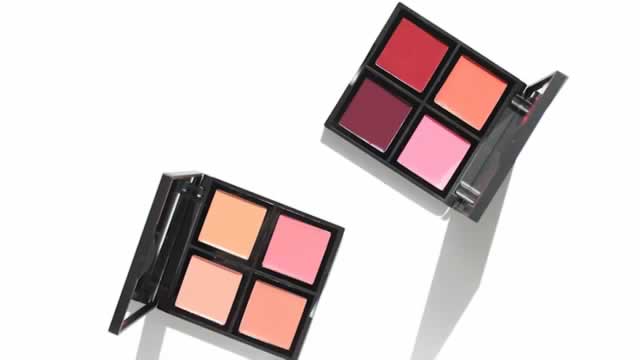
Can e.l.f. Beauty Extend Its Double-Digit Sales Growth Run?
e.l.f. Beauty targets double-digit fiscal 2027 sales growth, but sustaining the run hinges on Rhode's scale and stronger core brand momentum.

e.l.f. Beauty: The Momentum Remains In Their Favor Following Price Reductions
e.l.f. Beauty is transforming from a single-brand cosmetics company to a diversified beauty player, driving bullish sentiment. All five ELF brands grew in Q4 2026, with rhode and Naturium delivering standout results and reinforcing the power of portfolio expansion. ELF reported its 29th consecutive quarter of net sales growth, highlighting consistent execution and multiple paths to profitability.

e.l.f. Beauty Finds A Bottom And Executes Growth Initiatives
e.l.f. Beauty Finds A Bottom And Executes Growth Initiatives
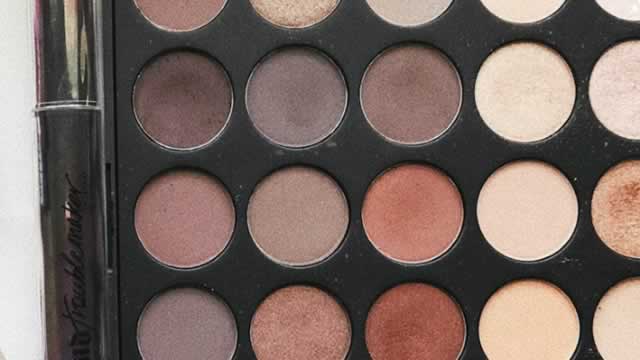
e.l.f. Beauty (ELF) Soars 5.9%: Is Further Upside Left in the Stock?
e.l.f. Beauty (ELF) saw its shares surge in the last session with trading volume being higher than average. The latest trend in earnings estimate revisions may not translate into further price increase in the near term.

Is ELF Stock a Buy at 19 Times Earnings With Growth in Transition
ELF trades near industry multiples after a sharp pullback, but Rhode growth, skin care expansion and core brand softness keep the buy case mixed.

ELF Beauty Taps Skincare and Global Expansion as Growth Shifts Higher
ELF's growth profile is shifting as skincare, Rhode and international expansion gain scale, but softer core demand and cost pressures cloud visibility.

e.l.f. Beauty (ELF) Is a Trending Stock: Facts to Know Before Betting on It
Zacks.com users have recently been watching e.l.f. Beauty (ELF) quite a bit.
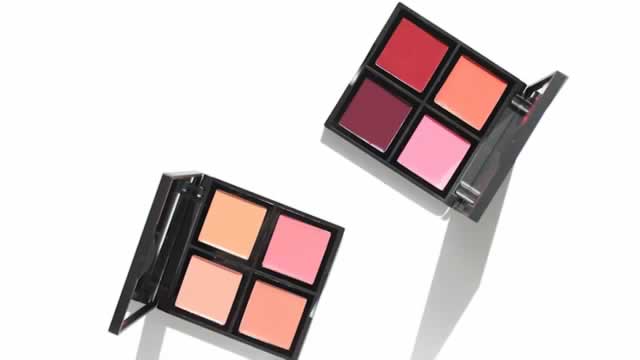
ELF Stock Outlook Hinges on Rhode Growth and Core Brand Reset in 2027
ELF's fiscal 2027 outlook depends on Rhode's rapid growth, broader skin care reach and whether its core e.l.f. brand reset can revive slowing momentum.

e.l.f. Beauty (ELF) Advances While Market Declines: Some Information for Investors
In the most recent trading session, e.l.f. Beauty (ELF) closed at $64.54, indicating a +1.65% shift from the previous trading day.

Here's Why e.l.f. Beauty (ELF) Fell More Than Broader Market
e.l.f. Beauty (ELF) concluded the recent trading session at $62.28, signifying a -6.95% move from its prior day's close.
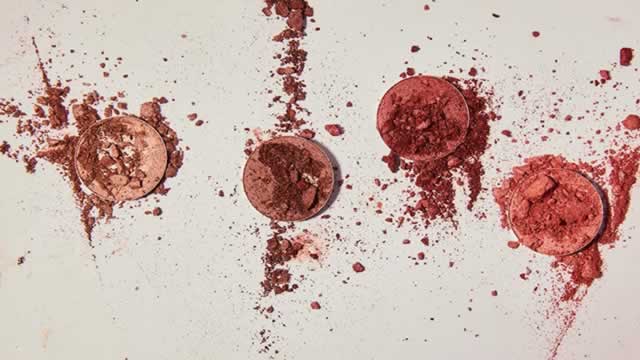
e.l.f. Beauty bets on hair as its next growth engine
elf Beauty Inc (NYSE:ELF) is stepping into haircare, its most significant category expansion since launching skincare in 2022. Jefferies analysts see the move as a strong strategic fit, viewing the launch as "a positive addition to the company's fall innovation cycle, supported by favorable category growth and trend alignment.

e.l.f. Beauty (ELF) is Attracting Investor Attention: Here is What You Should Know
e.l.f. Beauty (ELF) has received quite a bit of attention from Zacks.com users lately. Therefore, it is wise to be aware of the facts that can impact the stock's prospects.




