



Ford Motor Company (F)









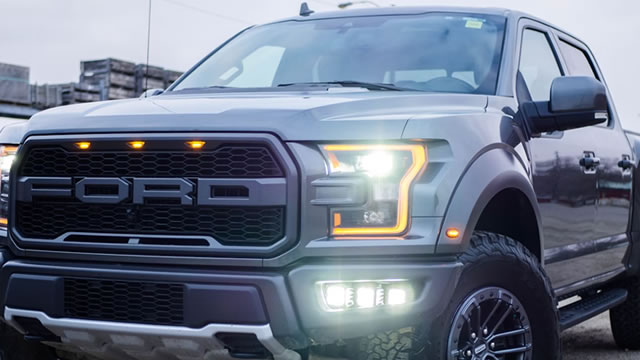
Ford takes $19.5 billion charge as it retreats from EVs
Ford Motor said on Monday it will take a $19.5 billion writedown and is killing several electric-vehicle models, in the most dramatic example yet of the auto industry's retreat from battery-powered models in response to the Trump administration's policies and weakening EV demand.
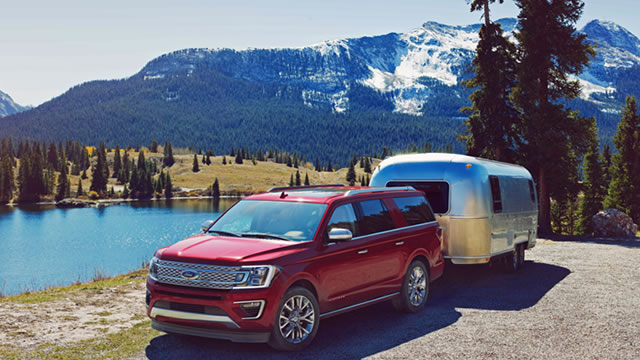
Ford killing F-150 EV pickup, warns of whopping $19.5B writedown in dramatic electric shift
Ford said it will pivot hard into gas and hybrid models, and eventually hire thousands of workers.
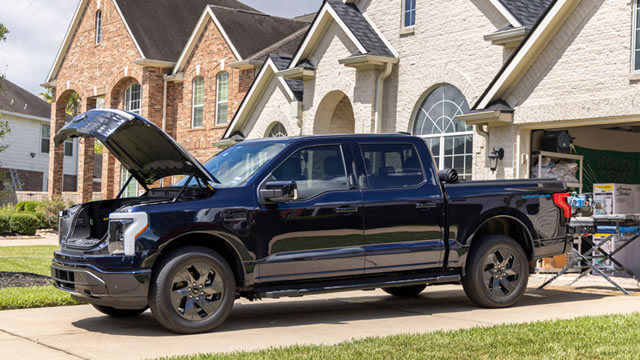
Ford is starting a battery storage business to power data centers and the grid
Amid Ford's shift away from making large electric vehicles, the automaker is adding a new product line to find a home for its batteries.
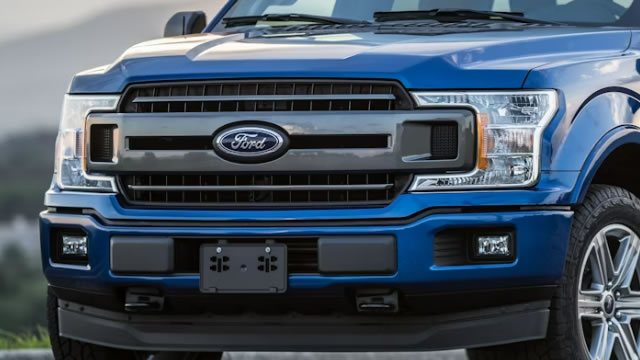
Ford's next F-150 Lightning will have a gas generator as it pivots away from large EVs
Ford is ending production of the fully-electric F-150 Lightning as part of a broader companywide shakeup of its electric vehicle plans, the company announced Monday. In its place, Ford will sell what's known as an “extended range electric vehicle” version of the truck, which adds a gas generator that can recharge the battery pack to power the motors for over 700 miles.
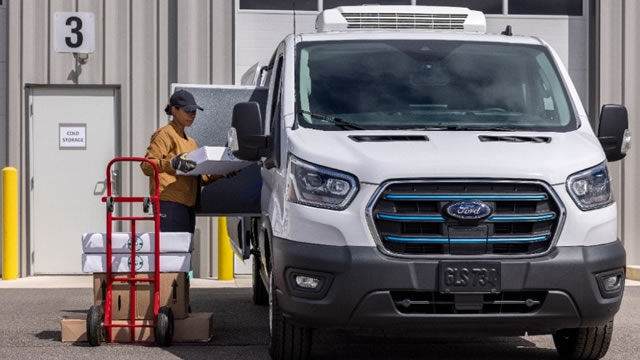
Ford Takes $19.5 Billion Charge to Write Down EV Investments
The sum is among the largest impairments taken by a company and marks the U.S. auto industry's biggest reckoning to date that it can't realize its electric-vehicle ambitions anytime soon.
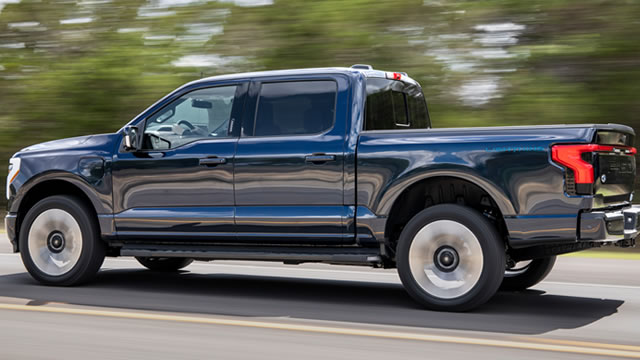
Here is What to Know Beyond Why Ford Motor Company (F) is a Trending Stock
Ford Motor (F) has received quite a bit of attention from Zacks.com users lately. Therefore, it is wise to be aware of the facts that can impact the stock's prospects.
Will Ford's Leaner EV Approach Give It a Stronger Foothold in Europe?
Ford's tie-up with Renault aims to revive its Europe EV push with affordable models built on Ampere tech and produced in France.
POWER OF AI: Ford unveils new AI to test its vehicles
FOX Business correspondent Madison Alworth reports on the artificial intelligence initiatives unveiled by companies at a New York City summit on ‘The Big Money Show.' #fox #media #breakingnews #us #usa #new #news #breaking #thebigmoneyshow #foxbusiness #ford #ai #artificialintelligence #technology #cars #automotive #vehicletesting #innovation #business #summit #newyorkcity #nyc #madisonalworth #industry #future #technology
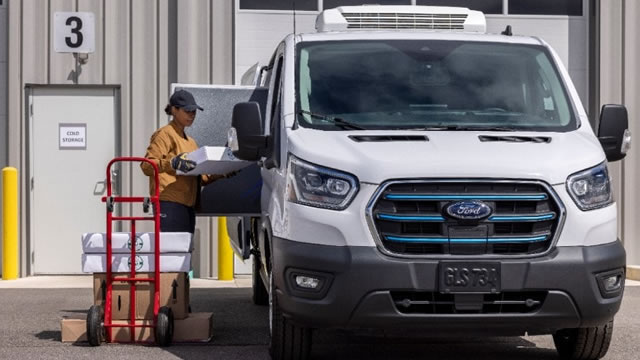
Ford Motor Company (F) Exceeds Market Returns: Some Facts to Consider
Ford Motor Company (F) reached $13.63 at the closing of the latest trading day, reflecting a +1.64% change compared to its last close.

Ford and SK On are ending their U.S. battery joint venture
Four years ago, Ford and South Korean battery maker SK On struck a deal to form a joint venture and spend $11.4 billion to build factories in Tennessee and Kentucky that would produce batteries for the next generation of electric F-Series trucks.
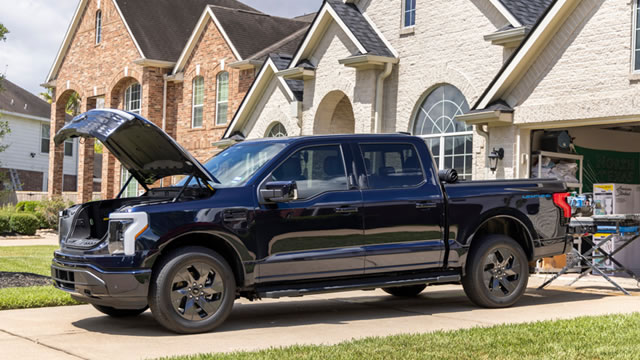
South Korea's SK On, Ford Motor to end US battery joint venture
South Korean battery maker SK On said on Thursday that it has decided to end its joint venture with Ford Motor for their two joint battery factories in the United States.

Ford suppliers receive China's new streamlined rare-earth licences
Chinese rare-earth magnet suppliers to U.S. automaker Ford Motor were included in the first batch of new export licences issued by Beijing to boost shipments and reduce shortages of the vital components, the carmaker said on Wednesday.




