



Ford Motor Company (F)









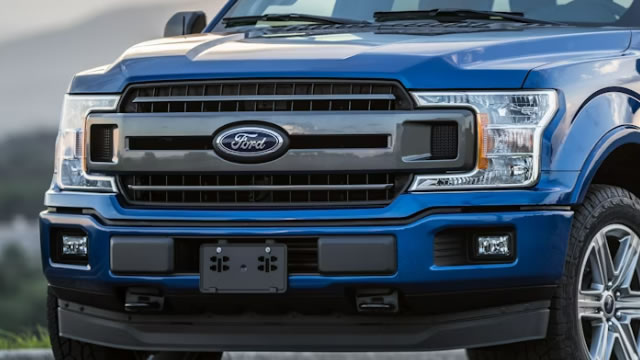
Ford's (F) Dividend is Going Up In Smoke, and Shares Could Rally When It Does
[00:00:04] Lee Jackson: Doug, I know that you're kind of a big fan of automobiles and you are a resident expert and I happen to read an interesting article published by some buddy named you and it speculated, I think, based on the Wall Street Journal that Ford could cut their dividend.
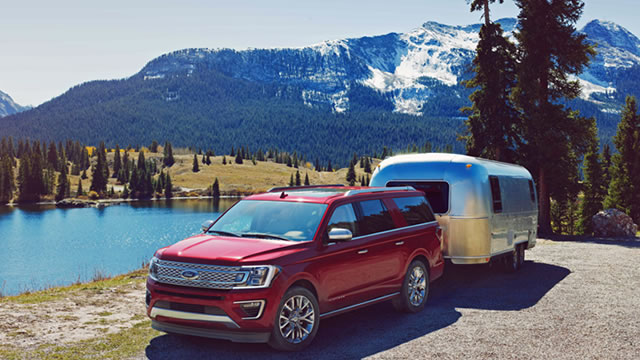
Should You Buy Ford While It's Trading Below $10.50?
Ford Motor Company (F 3.34%) finds itself at a crossroads as it navigates a challenging landscape. Its electric vehicle segment has struggled, and today, the stock trades 33% below its 52-week high.
Ford: Dirt-Cheap, EV Potential, And A Solid Yield On Top
Ford Motor's stock has lost about one-fourth of its value in the last year, but it remains a strong long-term investment due to its EV strategy and dividends. Despite challenges, Ford Motor's EV sales grew 15% YoY in the U.S. in 4Q24, and the company anticipates positive free cash flow in 2025. Ford Motor offers a robust 6% dividend yield, supported by strong free cash flow, making it an attractive option for passive income investors.
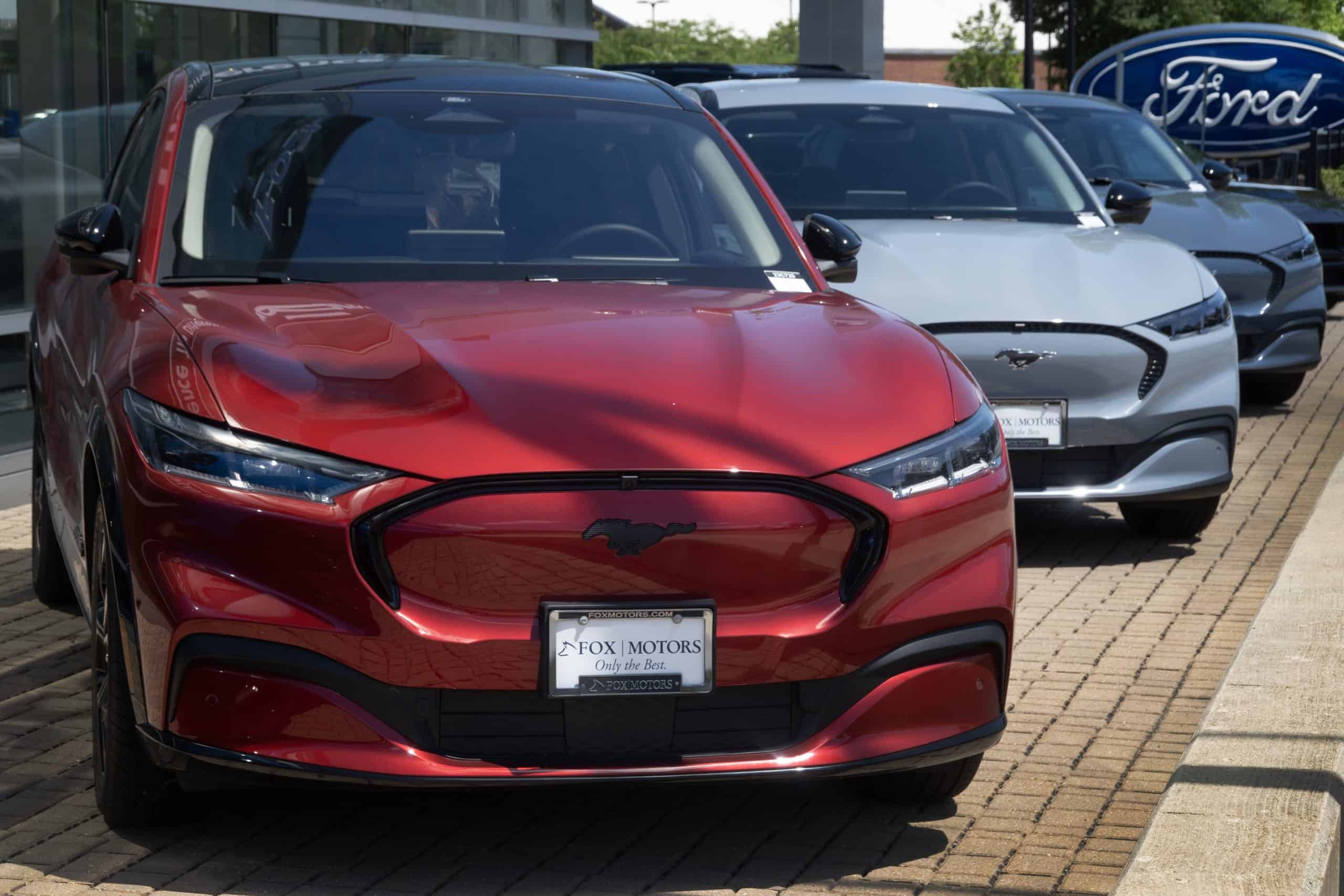
Trump Pushes Harder For Americans To Buy Fords And US Brands
For a few hours, it looked like Donald Trump had told car makers not to raise prices for buyers due to the new 25% tariffs on imported cars and parts. This would squeeze margins particularly hard on brands like Mercedes and BMW. The president either changed his mind, or the price cap was never a policy. Trump told NBC he did not care about car price increases at all. This will favor American manufacturers that may not have to raise prices. Now that the president has said he “couldn’t care less about the price increases by car manufacturers that mostly make cars and parts outside the US,” companies like Mercedes need to raise prices or could lose money on every car they sell. Trump believes that US cars will be more attractive because they can keep prices as they are and still make money. Ford (NYSE:F) is the best case in point. Eighty percent of its cars and the parts used to build them are made in the US. The same is not true of companies like GM (NYSE: GM) and Stellantis (NYSE: STLA), which make Jeep, Ram, and Dodge vehicles. CBS estimates that some RAM trucks need increased prices from $80,000 to $100,000 to hold margins. The president’s point is probably accurate. Buyers will gravitate to car models that do not have higher prices or on which price hikes are modest. Models like the RAM will become extremely hard to sell. The same is true with many Mercedes and BMWs. The news also benefits Ford’s shareholders. The news about tariffs drove its stock down 5%. It probably shouldn’t have Trump added a message for car companies when he talked to NBC. “The message is congratulations: if you make your car in the United States, you will make a lot of money. If you don’t, you’ll probably have to come to the United States because if you make your car there, there is no tariff.” The post Trump Pushes Harder For Americans To Buy Fords And US Brands appeared first on 24/7 Wall St..
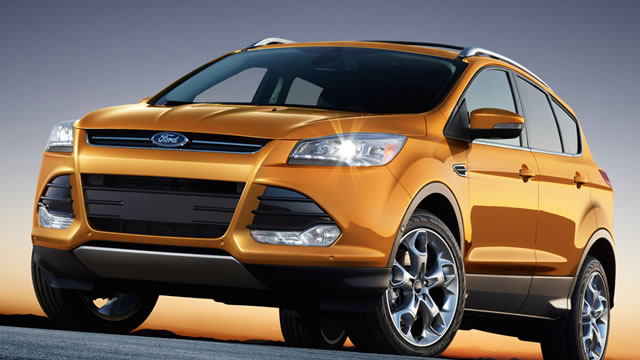
U.S. automakers distracted by tariffs gives China an innovation edge: Former Ford CEO
Former Ford Motor Company CEO Mark Fields, joins CNBC's "Money Movers" to discuss the potential impact of President Trump's latest auto tariffs, which includes a 25% tariff on all imported cars, and more.
Trump Tells Car Makers Not to Raise Prices. GM and Ford Stocks Slump.
President Donald Trump is creating a no-win situation for car makers by raising costs with tariffs and asking car makers not to adjust their prices. General Motors and Ford Motor F-2.32% stocks are falling.
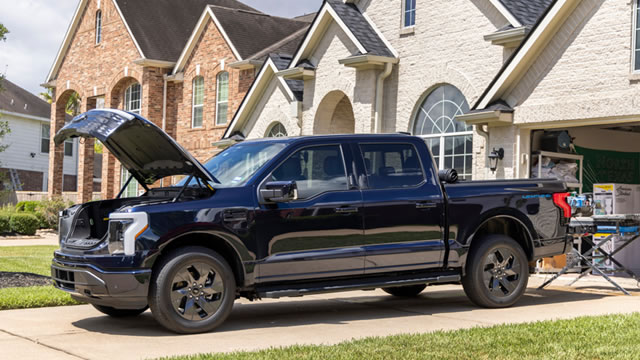
Investors Heavily Search Ford Motor Company (F): Here is What You Need to Know
Zacks.com users have recently been watching Ford Motor (F) quite a bit. Thus, it is worth knowing the facts that could determine the stock's prospects.
Auto stocks today: GM, Ford, Tesla, Stellantis, Toyota fall after Trump's tariffs on cars and parts
Shares in foreign and domestic car companies are down since yesterday's market close after President Donald Trump announced his latest round of tariffs on Wednesday. Those tariffs include a 25% levy on automobiles imported into the United States.
Expect Ford dividend cut after auto tariffs: Tim Seymour
Tim Seymour, CNBC contributor and founder of Seymour Asset Management, joins CNBC's “The Exchange” to discuss how he is trading automaker stocks after President Trump's announcement of a 25% tariff on all cars imported into the United States.

Auto tariffs could raise prices of impacted vehicles by $10,000: Analyst
John Murphy, senior North American automotive equity research analyst at Bank of America, joins CNBC's “The Exchange” to discuss the market reaction to President Trump's announcement of a 25% tariff on all cars imported into the U.S., the potential winners and losers in the auto industry and more.
Trump's auto tariffs shake global carmakers: analysts weigh impact
The announcement of a 25% tariff on foreign-made automobiles by President Trump has sent ripples through the global automotive industry, sparking a range of reactions. The tariffs, aimed at reducing reliance on foreign car imports and bolstering domestic manufacturing, are expected to have significant implications for both US and European automakers.

Auto Tariffs Pressure Ford, General Motors Shares Lower
President Donald Trump yesterday unveiled a 25% tariff for all cars not made in the U.S, effective next Wednesday, April 2.




