



FedEx Corporation (FDX)










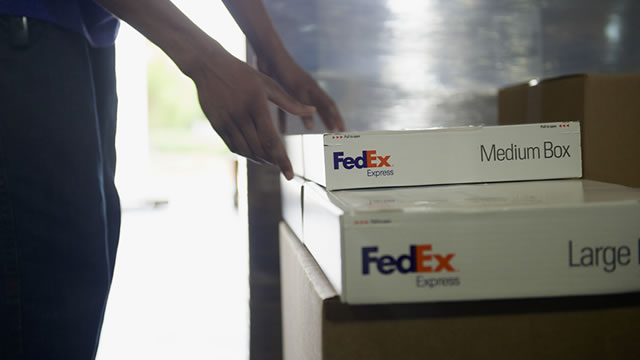
Holiday Shipping Costs Rise as FedEx and UPS Extend Surcharge Windows
As the holiday shopping season begins earlier and lasts longer, shipping costs are rising sharply, creating additional challenges for retailers and consumers alike as FedEx and UPS extend their surcharge windows this year. Retailers and businesses are struggling with rising costs, as shipping fees have already surged significantly in recent years.

FedEx (FDX) Stock Declines While Market Improves: Some Information for Investors
FedEx (FDX) closed the most recent trading day at $296.69, moving -1.98% from the previous trading session.

Will FedEx Defy Market Odds Amidst Industry Challenges?
Explore the exciting world of FedEx (FDX 1.73%) with our expert analysts in this Motley Fool Scoreboard episode. Check out the video below to gain valuable insights into market trends and potential investment opportunities!
FedEx (FDX) Rises Higher Than Market: Key Facts
The latest trading day saw FedEx (FDX) settling at $305.15, representing a +1.73% change from its previous close.

NorthStar Courier Becomes First FedEx Service Outside of CA to Deploy Workhorse ($WKHS) W56 Step Van
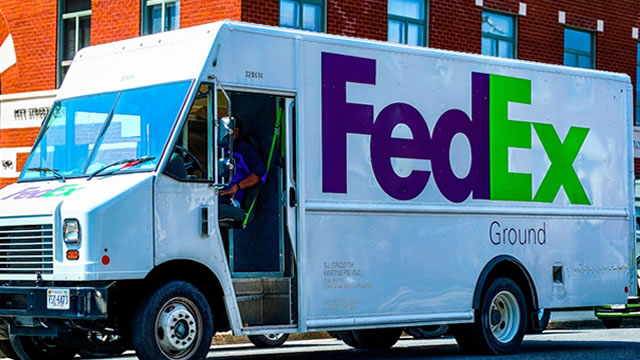
Workhorse (NASDAQ: WKHS), a leading innovator in zero-emission commercial vehicles, has delivered its W56 electric step van to NorthStar Courier, a FedEx (NYSE: FDX) Ground Contract Service Provider in Minneapolis, Minnesota. This marks the first deployment of the W56 by a FedEx Ground Service Provider outside California.
3 Dividend Growth Stocks That Have Increased Their Payouts by More Than 90% in 5 Years
3 Dividend Growth Stocks That Have Increased Their Payouts by More Than 90% in 5 Years
Here's Why FedEx (FDX) Gained But Lagged the Market Today
FedEx (FDX) closed at $295.21 in the latest trading session, marking a +0.25% move from the prior day.

FedEx Corporation (FDX) Baird Global Industrial Conference (Transcript)
FedEx Corporation (NYSE:FDX ) Baird Global Industrial Conference November 12, 2024 5:05 PM ET Company Participants Jenifer Hollander - VP of IR John Dietrich - EVP and CFO Conference Call Participants Garrett Holland - Baird Garrett Holland With that we will start for our last session of the day. Again, my name is Garrett Holland, Senior Analyst covering transportation and logistics here at Baird.
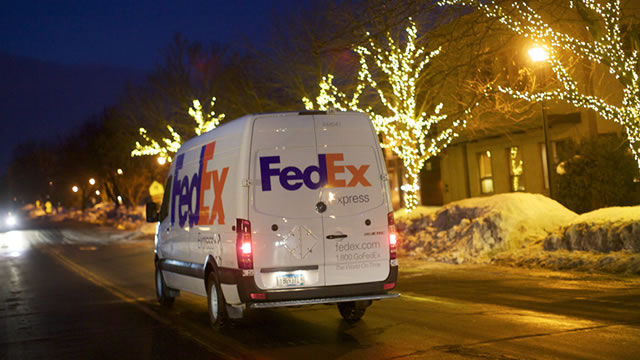
FedEx (FDX) Rises Higher Than Market: Key Facts
In the closing of the recent trading day, FedEx (FDX) stood at $289.79, denoting a +1.23% change from the preceding trading day.
FedEx (FDX) Declines More Than Market: Some Information for Investors
FedEx (FDX) concluded the recent trading session at $271.18, signifying a -1.16% move from its prior day's close.
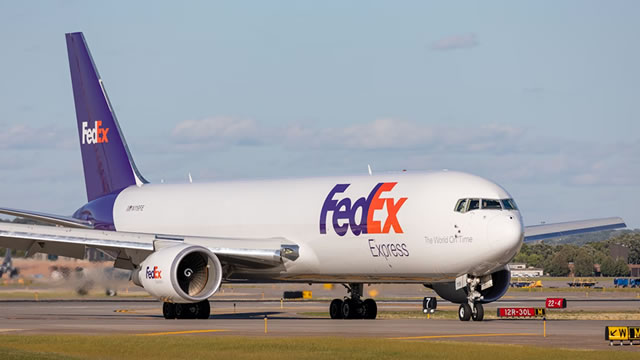
FedEx (FDX) Stock Sinks As Market Gains: Here's Why
In the most recent trading session, FedEx (FDX) closed at $275.04, indicating a -0.15% shift from the previous trading day.
FedEx: A Long-Term Bet On Stability And Dividends (Rating Upgrade)
FedEx's Q1 2025 results missed expectations, but the stock has rebounded, showing resilience despite challenges like lower demand, rising expenses, and increased competition. FedEx is implementing price hikes and cost-cutting measures to counteract weak B2B shipments, inflation, and competition, aiming for modest revenue growth in fiscal 2025. FedEx's strong cash flow and reasonable stock valuation make it a stable option for long-term investors seeking steady returns and solid dividend growth.




