



HP Inc. (HPQ)













HP: Hardware Weakness Is Creating A Double-Digit Yield Opportunity
HP Inc. (HPQ) remains a Strong Buy, offering compelling valuation, robust cash flow, and a generous yield amid macro headwinds. HPQ reported Q1'FY26 revenue up 6.9%, with personal systems growth offsetting printing declines; cost savings and resilience continue during macro pressure. Guidance calls for $2.8–$3 billion FCF in FY26, with a combined dividend and buyback yield near 13.7% based on Q1 levels, and a payout ratio of ~82.8%.

HP Inc. (HPQ) Presents at Morgan Stanley Technology, Media & Telecom Conference 2026 Transcript
HP Inc. (HPQ) Presents at Morgan Stanley Technology, Media & Telecom Conference 2026 Transcript
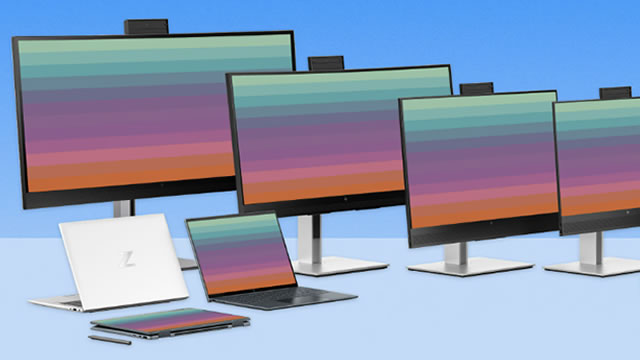
HP Q1 Earnings: Mr. Market's Short-Term Focus Presents Us An Opportunity
HP Inc. delivered solid Q1 FY2026 results, with adjusted EPS and net revenues exceeding expectations despite ongoing macro headwinds. Personal Systems revenue grew 11% year-over-year, offsetting a 2% decline in Printing. HPQ's free cash flow guidance remains robust at $2.4 billion (adjusted for stock-based compensation), supporting continued buybacks and dividends amid a manageable debt profile.
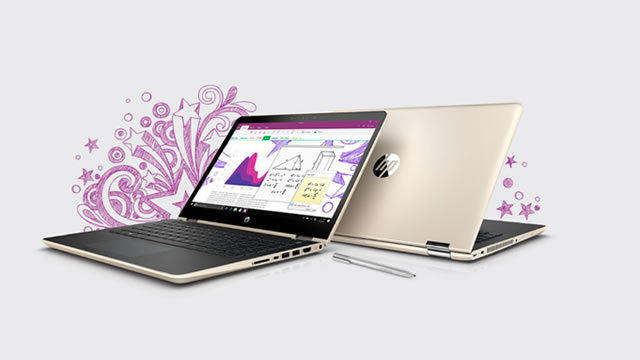
HP issues cautious guidance after fiscal Q1 results top estimates
HP Inc (NYSE:HPQ) reported first quarter fiscal 2026 results that exceeded Wall Street expectations, but its shares were little changed on the report as the firm issued cautious guidance amid tariff uncertainty and industry challenges. For Q1, the company posted net revenue of $14.44 billion, up 6.9% from the same period last year and above analyst estimates of $13.87 billion to $13.90 billion.

HPQ's Q1 Earnings Surpass Expectations, Revenues Rise Y/Y
HP tops Q1 earnings and revenue estimates as PC sales jump 12%, lifting revenues 6.7%, while printing lags and FY26 outlook stays intact.
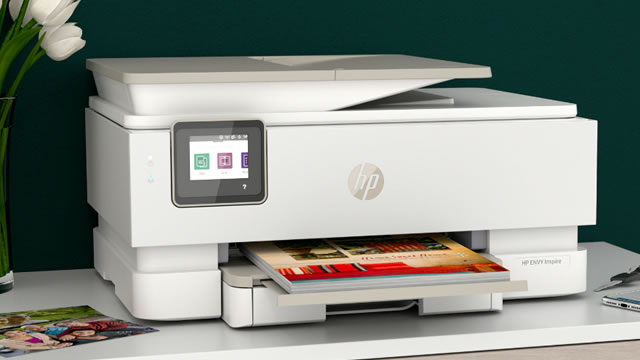
HP Delivers Surprise Beat but Signals Trouble Ahead as Memory Costs Double
HP Inc. ( NYSE:HPQ ) reported after the bell on Feb.

HP Inc. (HPQ) Q1 2026 Earnings Call Transcript
HP Inc. (HPQ) Q1 2026 Earnings Call Transcript

HP (HPQ) Reports Q1 Earnings: What Key Metrics Have to Say
The headline numbers for HP (HPQ) give insight into how the company performed in the quarter ended January 2026, but it may be worthwhile to compare some of its key metrics to Wall Street estimates and the year-ago actuals.
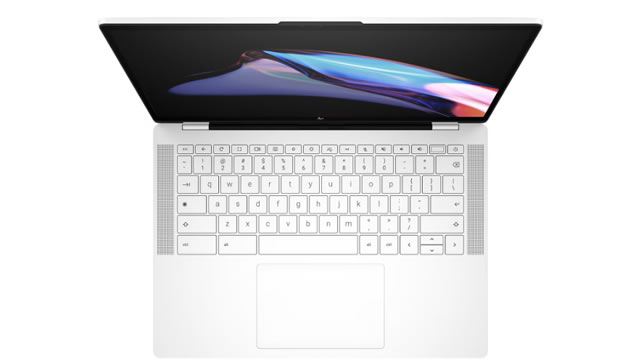
HP (HPQ) Q1 Earnings and Revenues Beat Estimates
HP (HPQ) came out with quarterly earnings of $0.81 per share, beating the Zacks Consensus Estimate of $0.77 per share. This compares to earnings of $0.74 per share a year ago.

HP Inc. Earnings Preview: What Wall Street Is Watching
HP Inc. (NYSE: HPQ) reports its fiscal first-quarter 2026 results today after the close.
HPQ Gears Up to Report Q1 Earnings: What's in Store for the Stock?
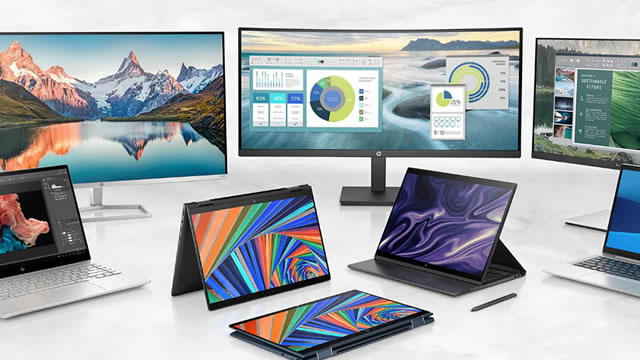
HP's Q1 revenue is likely to have gained from new products and increased adoption of AI PCs, while rising memory prices may have weighed on profitability.
Insights Into HP (HPQ) Q1: Wall Street Projections for Key Metrics
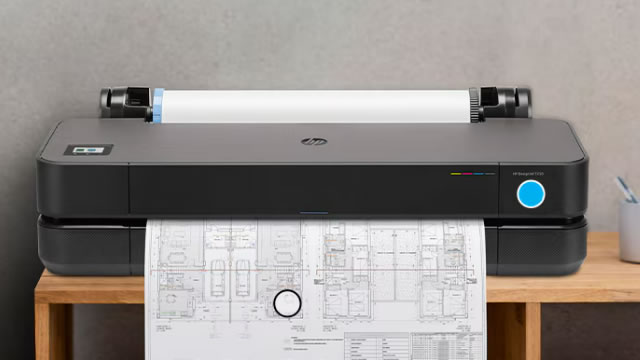
Evaluate the expected performance of HP (HPQ) for the quarter ended January 2026, looking beyond the conventional Wall Street top-and-bottom-line estimates and examining some of its key metrics for better insight.




