



Microsoft Corp. (MSFT)














What to Expect in Markets This Week: Fed Interest-Rate Decision, Earnings From Microsoft, Meta, Tesla, Apple
A highly anticipated Fed meeting and the start of Magnificent 7 earnings highlight this week's calendar.

Should You Buy Microsoft Stock Before Earnings?
Microsoft's growth is led by its cloud computing platform, Azure. Microsoft beat Wall Street expectations last quarter.
Microsoft Stock Is Down More Than 10% In 3 Months. Time to Buy the Dip?
The software giant's "Azure and other cloud services" revenue grew 40% last quarter, with demand exceeding supply. Microsoft's commercial backlog soared, driven primarily by Azure commitments.

Microsoft and Amazon, together on housing: Tech giants find common ground in push for policy changes
Microsoft and Amazon are rivals in the cloud, but on the same page when it comes to Washington's housing crisis — literally, in the case of a joint op-ed and full-page ad in The Seattle Times.

Magnificent 7 Earnings Loom: What to Expect?
The Q4 earnings reporting cycle ramps up this week, with more than 300 companies on deck to report results, including four of the ‘Magnificent 7' members and 102 S&P 500 members. We have Microsoft MSFT, Meta Platforms META, and Tesla TSLA reporting results the same day after the market's close on Wednesday, January 28th, and Apple AAPL on Thursday, January 29th, after the market's close.

Cramer's week ahead: Earnings from Meta, Microsoft and Apple. Plus, a Fed meeting
CNBC's Jim Cramer on Friday explained why next week will be a consequential one for the market. He highlighted earnings reports from Big Tech names like Apple, Microsoft and Meta Platforms, along with the Federal Reserve's upcoming meeting.

LikeFolio: Google Cloud Beats Azure, MSFT Shows Dominance Elsewhere in AI
Andy Swan (@LikeFolio) considers Microsoft (MSFT) one of the best-executing companies on Wall Street. While the Mag 7 giant's Azure cloud saw anemic growth compared to Alphabet's (GOOGL) Google Cloud, Andy likes Microsoft's recent stock dip and believes the company is poised for a strong 2026.
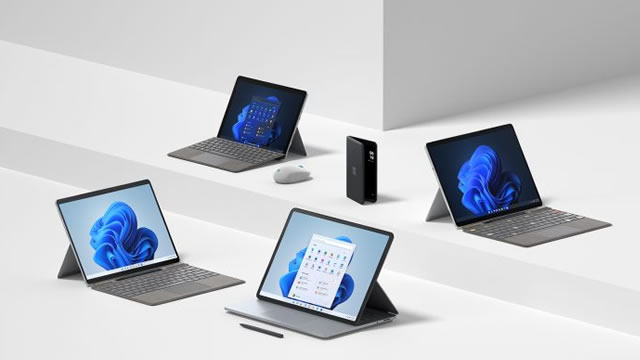
Microsoft: Deep Discount Before Earnings
Microsoft is rated 'Strong Buy' due to substantial undervaluation and robust earnings growth and revisions momentum ahead of FQ2 2026 results. MSFT trades at a forward FY2029 P/E of just 17, with forward P/FCF nearly 20% below the historical average, signaling attractive entry levels. Consensus expects double-digit revenue and EPS growth for FQ2 2026, with Wall Street target prices implying significant upside and limited downside.
Microsoft gave FBI a set of BitLocker encryption keys to unlock suspects' laptops: reports
Microsoft provided the FBI with the recovery keys to unlock encrypted data on the hard drives of three laptops as part of a federal investigation, Forbes reported on Friday.
Microsoft Stock Hands Over $350 Billion To Shareholders
Over the past decade, Microsoft has returned a remarkable $368 billion to shareholders through dividends and share buybacks, marking the second-largest capital return in corporate history behind Apple.

Microsoft Slumps Heading Into Earnings—Here's What Matters Most
A death cross pattern is one where a stock's short-term simple moving average (SMA), usually the 50-day SMA, crosses below a longer-term SMA, usually the 200-day. It's a bearish pattern because it shows that both short- and long-term momentum are trending lower.

Top 5 Defense & Aerospace Stocks After Microsoft's $170M Air Force Win
Microsoft ( NASDAQ:MSFT )'s $170 million Air Force cloud contract signals the massive defense modernization wave reshaping Pentagon technology buying.




