



Microsoft Corporation Common Stock (MSFT)













Compared to Estimates, Microsoft (MSFT) Q4 Earnings: A Look at Key Metrics
While the top- and bottom-line numbers for Microsoft (MSFT) give a sense of how the business performed in the quarter ended June 2025, it could be worth looking at how some of its key metrics compare to Wall Street estimates and year-ago values.

Markets Sink on Powell Presser Message, Plus Earnings: MSFT, META & More
Once Fed Chair Powell started talking about using the Fed funds rate to thwart tariff-led inflation in the U.S. economy, and they all dropped significantly.
Microsoft Q4: Impressive, But I'm Pulling Back On My Bullishness (Downgrade)
Microsoft Corporation delivered exceptional Q4 earnings, with strong revenue and EPS beats, driven by robust cloud and AI growth. Despite outstanding fundamentals, the current ~$4 trillion valuation limits future annual returns to below 10%, reducing upside potential. High CapEx supports continued AI and cloud expansion, but the premium valuation already reflects these growth prospects.

Microsoft (MSFT) Q4 Earnings and Revenues Beat Estimates
Microsoft (MSFT) came out with quarterly earnings of $3.65 per share, beating the Zacks Consensus Estimate of $3.35 per share. This compares to earnings of $2.95 per share a year ago.
Deepwater's Gene Munster: AI is working for Microsoft
Gene Munster, Deepwater, joins 'Fast Money' to talk Meta and Microsoft's investor calls after both stocks climb on earnings.

MSFT Cloud Revenue Shines, META Adds Friends After Earnings
Microsoft (MSFT) and Meta (META) were two of the biggest names reporting earnings on Wednesday. With the expectation that AI would be a prime revenue generator for both, it was estimated they would beat earnings estimates, and they did just that.
Microsoft cut product R&D jobs, added operations roles over the past year, new filing confirms
Microsoft's global headcount remained steady at 228,000 employees over the past year, but the mix of roles changed notably, reflecting ongoing shifts in the company's workforce.

Microsoft tops $4 trillion in market cap after hours, joining Nvidia in exclusive club
Microsoft shares jumped in extended trading on Wednesday, pushing the company's market cap past $4 trillion. The software giant reported better-than-expected quarterly results and said Azure's annual revenue topped $75 billion.
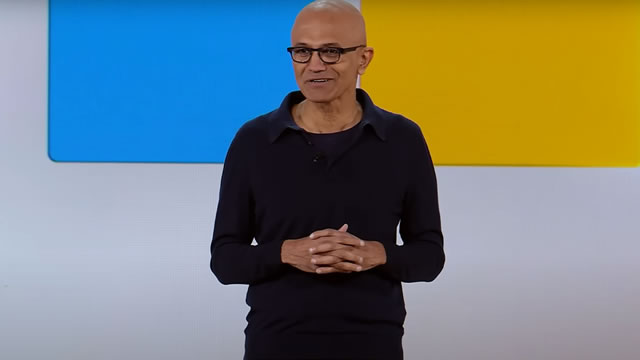
Microsoft shares spike on earnings and revenue beat
CNBC's Steve Kovach joins 'Closing Bell Overtime' with Microsoft earnings.
Microsoft Shares Spike 6% As Revenue Surges Above Wall Street Forecasts
Get Forbes Breaking News Text Alerts: We're launching text message alerts so you'll always know the biggest stories shaping the day's headlines. Text “Alerts” to (201) 335-0739 or sign up here.

Microsoft Backs Up A.I. Spending With $27.2 Billion Quarterly Profit
The company's results are likely to ease investors' worries that big investments in artificial intelligence aren't paying off.

Microsoft stock pops on AI-fueled Q4 earnings beat
Microsoft Corp (NASDAQ:MSFT) shares surged afterhours as it impressed investors with its fiscal fourth quarter earnings report, with AI successes driving beats on the top and bottom lines. Revenue was up 18% year-over-year at $76.4 billion, far above Wall Street estimates of $73.8 billion.




