







NLR: Nuclear Stocks Snap Back, But The Damage Has Been Done
Amid global equity volatility in 2025, NLR has shown slight alpha compared to the S&P 500, but its technicals and valuation suggest a hold rating. NLR's assets under management surged to $1 billion, but its high expense ratio and low dividend yield are concerning factors. The ETF's portfolio is concentrated in small-cap growth stocks, with a significant international exposure that benefits from a weaker dollar.

NLR: Valuations Seem Overstretched Now
The VanEck Uranium and Nuclear ETF tracks the MVIS Global Uranium & Nuclear Energy Index, focusing on uranium mining, nuclear power facilities, and related services. The ETF's assets are primarily in Utilities (49%) and Energy (36.9%), with a strong U.S. focus (48.96% of net assets). Uranium prices have fluctuated historically, with recent increases due to supply constraints and renewed interest in nuclear energy post-COVID-19 and geopolitical tensions.

NLR: The Math Matters - Energy Demand And The Need For Scalability Point To Nuclear
Global energy demand is projected to grow by 4% CAGR, with a slowdown in solar and wind energy installations, highlighting the need for stable energy sources. VanEck Uranium and Nuclear ETF (NLR) has broader exposure to the nuclear energy field compared to its principal peer, Global X Uranium ETF (URA). I believe the nuclear sector could be an interesting response to energy needs, which are projected to be nearly double those of recent years.

Tech Investing in 2025: Emerging Trends and Market Opportunities
Gain insights into 2025's top tech trends and market opportunities. Learn what experienced investors should consider for smart tech investments.

Nuclear Boom Can Continue in 2025
One of the clearest, most powerful industry-level trends in 2024 was the renaissance of nuclear power and the related equities — one powered in large part by the artificial intelligence (AI) revolution and the technology companies at the center of it. Take the case of the VanEck Uranium and Nuclear ETF (NLR).

Nuclear Energy Charging Up to Power AI: Buy ETFs on Dip?
Nuclear energy is rapidly emerging as a choice for powering artificial intelligence (AI) systems due to its ability to provide a stable, high-output source of electricity. As AI technologies continue to grow and require more computational power, the demand for reliable energy sources becomes important.

NLR: Promising And Still Has An Attractive Price
I recommend buying the VanEck Uranium and Nuclear ETF due to surging uranium prices driven by AI's energy demands and low-carbon goals. The ETF comprises 28 nuclear energy and uranium companies, with $772 million in assets and a 0.64% management fee. AI's growth necessitates constant, high-energy data centers, making nuclear energy indispensable and driving uranium prices higher.

Politicians Highlight Importance of Nuclear Energy
There are a variety of unofficial holidays marking various climate and environmental causes. More traditional energy sources, including nuclear, are often overlooked when it comes to celebratory occasions.

VanEck Uranium And Nuclear ETF: I Don't Like The Composition
During the 28th COP28 Summit, something remarkable happened: Twenty countries have decided to triple their nuclear power production by 2050. The ETF has a high concentration in utilities and lacks significant positions in key uranium miners, reducing its appeal for uranium price gains. I prefer the Sprott Physical Uranium Trust for direct exposure to uranium prices, avoiding the ETF's issues with valuation.

Look Who's Investing in Nuclear Power
Nuclear energy is experiencing a rebirth and shares of producers of this power source are going along for the ride. Just look at the VanEck Uranium and Nuclear ETF (NLR).

NLR: A Strategic Play In The Nuclear Energy Resurgence
Nuclear energy's resurgence is driven by net-zero targets, AI energy demands, and SMR advancements, making it a compelling investment opportunity. The VanEck Uranium and Nuclear ETF offers exposure to companies in uranium mining, reactor construction, and nuclear infrastructure. Despite past industry challenges, innovations in SMRs and strong support from governments and tech leaders highlight nuclear's growth potential.
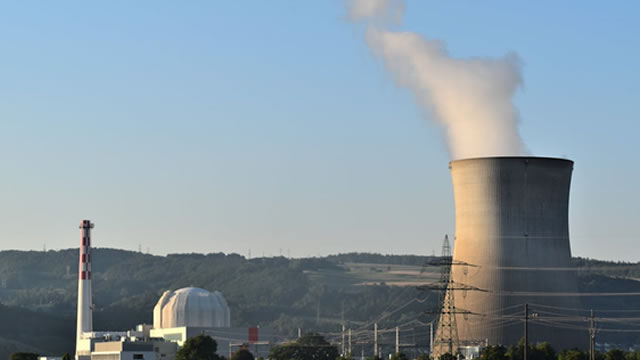
Uranium ETFs Surge as Big Tech Powers Up With Nuclear Energy
With tech giants ramping up their investments in AI, the increasing energy demands of data centers are driving a heightened need for nuclear power, creating an optimistic demand outlook for uranium. To capitalize, look at pure-play uranium ETFs.




