



Rivian Automotive, Inc. (RIVN)






Is Rivian a Buy Ahead of Its R2 Electric Vehicle Launch? Hint: Absolutely, and Here's Why
Tesla's growth took off following the release of its Model 3 and Model Y vehicles. Rivian's growth could follow suit after the release of its R2 SUV.
Rivian Automotive (RIVN) Suffers a Larger Drop Than the General Market: Key Insights
In the latest trading session, Rivian Automotive (RIVN) closed at $14.86, marking a -2.88% move from the previous day.
Rivian stock forecast: Wyckoff theory points to long‑term rebound
Rivian stock price is stuck in a technical bear market after falling from last December's high of $22.7 to the current $15.20. It retreated after the company shared details of the upcoming R2 vehicle, with its short interest continuing to rise.
Rivian's Make-or-Break Car Arrives at the Worst Possible Moment for EVs
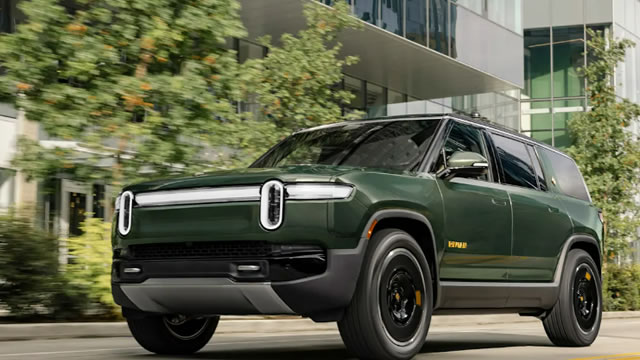
The startup seeks to buck an EV downturn with a $57,990 SUV that can drive up to 330 miles on a single charge.
Here's Why Rivian Automotive (RIVN) Fell More Than Broader Market
In the latest trading session, Rivian Automotive (RIVN) closed at $15.3, marking a -8.11% move from the previous day.
Rivian Has Finally Launched the R2—Why the EV Maker's Survival May Depend On It
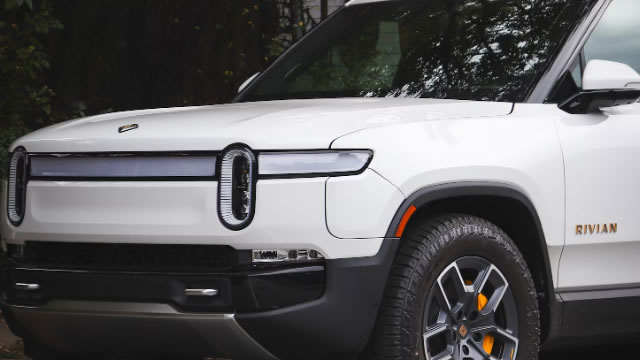
Rivian has unveiled eagerly awaited details on its R2 model, a launch that experts say could turn out to be a make or break moment for the EV maker.
Rivian unveils R2 electric SUV lineup
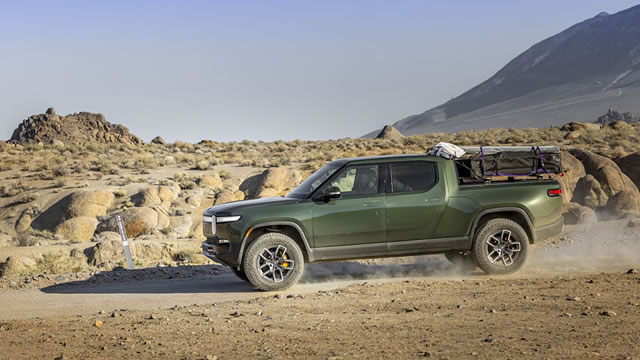
Electric vehicle maker Rivian Automotive Inc (NASDAQ:RIVN) on Thursday unveiled pricing and specifications for its upcoming R2 midsize electric SUV, with models starting at about $45,000 as the company seeks to broaden its lineup and appeal to a wider market. The company said deliveries will begin in spring 2026 with the R2 Performance trim with Launch Package, priced from $57,990.
Rivian Is Down 5% — Did the R2 Reveal Disappoint Wall Street?
Shares of Rivian Automotive (NASDAQ:RIVN | RIVN Price Prediction) are down approximately 5% today, sliding below $16 as the company holds its highly anticipated R2 SUV reveal event.

Rivian to begin R2 deliveries with $58,000 launch variant this spring
Rivian will begin delivering its more affordable R2 line of SUVs this spring with a variant priced at $57,990 and roll out cheaper options in 2027, as the electric vehicle maker looks to widen its customer base and take on Tesla's best-selling Model Y.
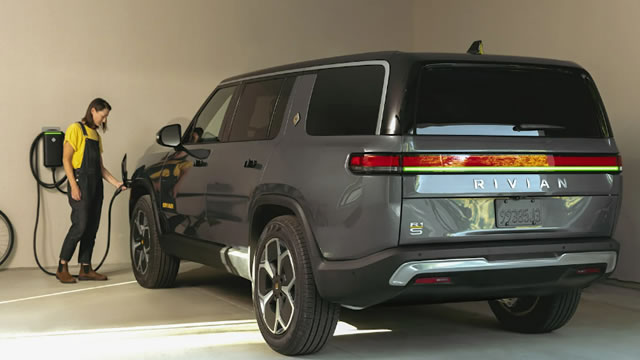
Rivian's crucial R2 EV launch to begin with $58,000 model in spring
Rivian will launch sales of its crucial R2 all-electric vehicle this spring with a roughly $58,000 special edition model. The first of the R2 midsize vehicles will be a performance model with a "Launch Package" that includes a 330-mile range, dual motors and "lifetime" access to its advanced driver assistance system.
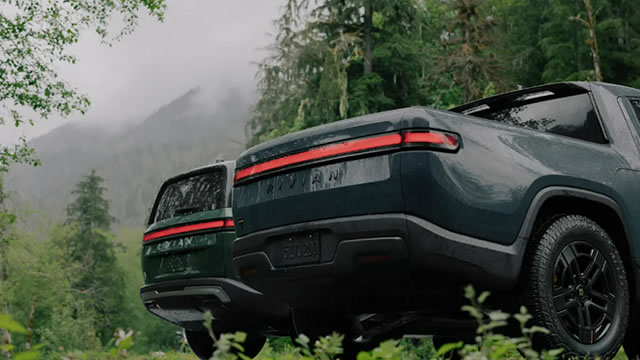
Rivian is fulfilling its promise to launch a $45,000 EV, but there's a catch
The EV maker just revealed pricing details for its new R2 lineup. Rivian will first launch a $57,990 model, with plans to debut a $45,000 variant in late 2027.
Rivian CEO's AI-Powered Robotics Startup Raises $500 Million
Mind Robotics is building factory robots, joining up with the electric-vehicle maker on training and testing.




